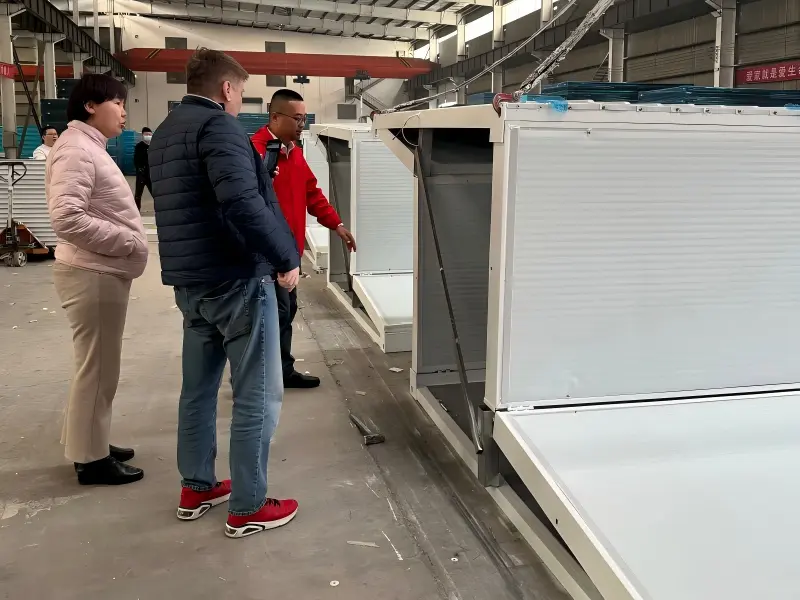
Introduction
Folding container houses are widely used in construction sites, worker accommodation, temporary offices, emergency housing, mining camps, farm projects, and remote project facilities. Their folding structure allows the unit to be transported in a compact form and opened on site when the project is ready.
For B2B buyers, the value of a folding container house is not only “fast installation.” The real advantages are connected with transport planning, loading efficiency, repeatable layouts, site setup, relocation, project management, and total project organization.
A folding container house can be a practical solution when the buyer needs multiple units, temporary or semi-permanent use, faster site arrangement, and easier export handling. However, buyers still need to confirm size, quantity, packing method, wall panel configuration, foundation, unloading equipment, local labor, utility connection, and EXW / FOB responsibility before ordering.
This guide explains the main advantages of folding container houses from a practical project purchasing point of view.
What Is a Folding Container House?
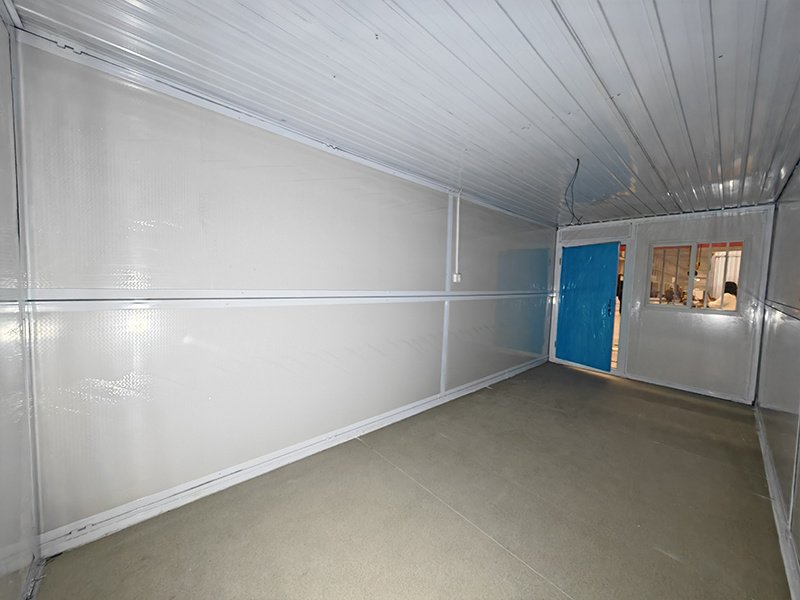
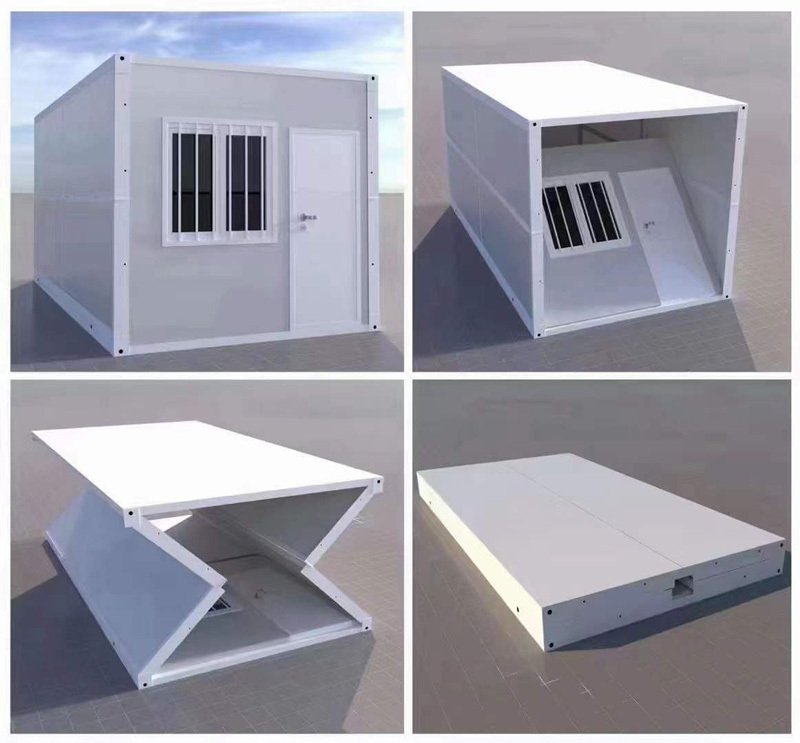
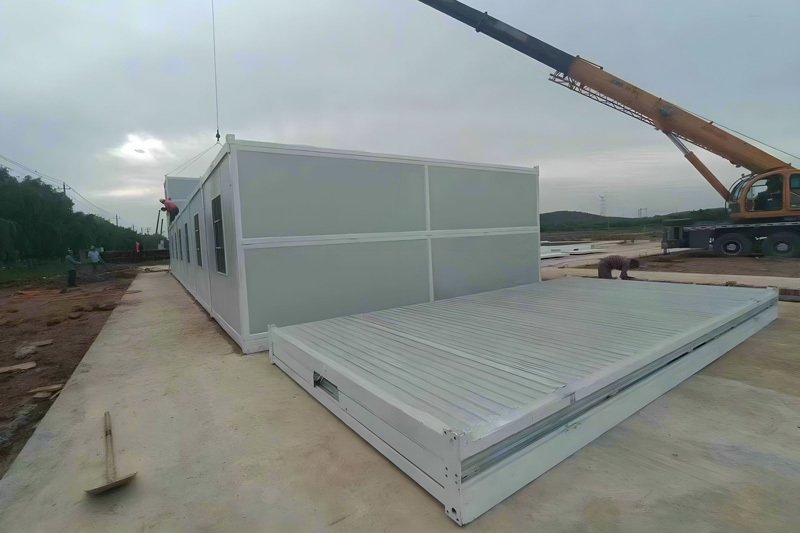
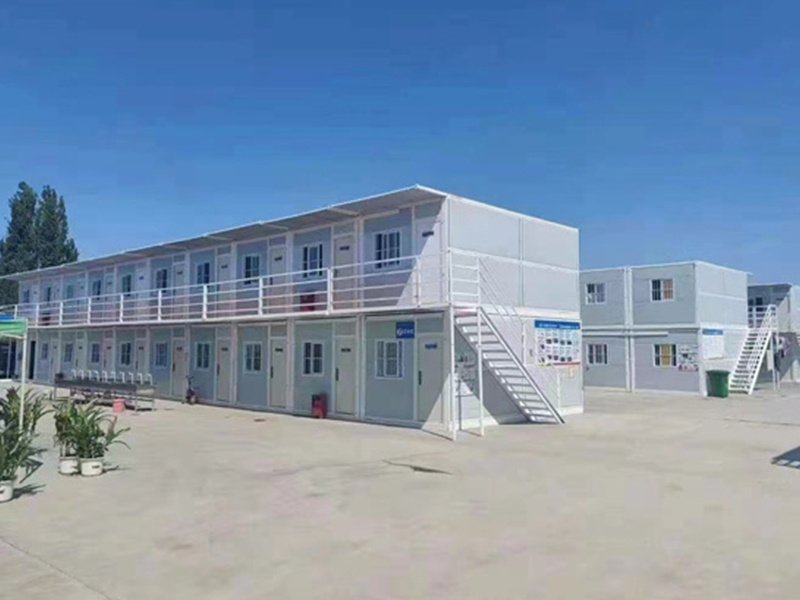
A folding container house is a modular building unit designed to fold into a compact transport form and open into a usable structure on site.
Depending on the model and configuration, it may include:
- steel frame structure
- wall panels
- roof and floor system
- doors and windows
- electrical routes
- optional toilet or shower function
- basic interior configuration
- installation accessories
Folding container houses are often used when buyers need temporary accommodation, site offices, worker dormitories, project camps, emergency housing, or support units that can be transported and deployed more efficiently than fully assembled structures.
The right model depends on project use, quantity, site conditions, transport method, and installation capability.
Advantage 1: Compact Transport and Export Efficiency
One of the main advantages of folding container houses is compact transportation.
When folded, the unit takes less transport space than a fully opened structure. This can be useful for overseas projects, especially when buyers need multiple similar units for accommodation, offices, dormitories, or camp facilities.
Before comparing shipping cost, buyers should confirm:
- folded dimensions
- loading quantity
- packing method
- gross weight if required
- destination port
- EXW or FOB quotation term
- whether a shipping agent is arranged
- unloading equipment at destination
- site access condition
The container house shipping guide should be reviewed when buyers compare different product types for overseas delivery.
Sinopala currently mainly provides EXW and FOB quotations. Under these terms, ocean freight, customs clearance, destination port charges, local delivery, and site unloading are usually arranged by the buyer or the buyer’s shipping agent.
Advantage 2: Faster Site Setup Under Prepared Conditions
Folding container houses can usually be set up faster than traditional on-site construction because many parts are prepared before shipment.
As a general reference, a standard folding container house may be opened and basically positioned within a few hours when the foundation is ready, unloading equipment is available, and workers are familiar with the installation steps.
However, this does not mean every project is fully completed within a few hours. Full setup may also include:
- unloading
- positioning
- leveling
- fixing
- sealing checks
- foundation connection
- electrical connection
- water supply
- drainage
- toilet or shower connection if included
- inspection and cleaning
Buyers should review how to install a folding container house before confirming the final project schedule, especially when multiple units, bathrooms, kitchens, or remote sites are involved.
Advantage 3: Suitable for Temporary and Semi-Permanent Projects
Folding container houses are often suitable for projects that do not need permanent traditional buildings.
Common project types include:
- construction site accommodation
- temporary worker dormitories
- site offices
- mining camps
- farm housing
- emergency support housing
- remote project facilities
- temporary commercial spaces
- storage or support rooms
For these projects, buyers often care about whether the units can be transported, installed, used, removed, and possibly relocated after the project ends.
A folding container house may be practical when the project period is limited, the site may change later, or the buyer needs repeatable units that can support changing project needs.
Advantage 4: Good for Batch Deployment
Folding container houses are often used when buyers need multiple units with similar layouts.
For example, a project may need:
- worker dormitory units
- site office units
- toilet and shower units
- storage units
- guard rooms
- camp support spaces
Using repeatable units can make planning easier. The buyer can organize layout, shipping, unloading, installation, maintenance, and future relocation more clearly.
For larger accommodation or camp projects, folding container houses can also work together with modular container houses, container house toilets, showers, kitchens, and office units.
The key point is not only buying one unit. Buyers should plan the full project layout, including walking routes, drainage, electricity, access roads, fire separation if required locally, and maintenance space.
Advantage 5: Flexible Modular Layout
Folding container houses can be used as single units or arranged into larger project layouts.
Depending on the product design and local requirements, they may be used for:
- single-room accommodation
- dormitory blocks
- office blocks
- site support areas
- temporary living areas
- worker camp layouts
- emergency housing areas
Buyers should confirm whether the selected model supports the intended layout. Not every folding house design is suitable for every combination or connection method.
Before confirming the order, buyers should check:
- unit size
- room function
- door and window direction
- walking space
- bathroom or toilet needs
- electrical connection
- drainage route
- foundation plan
- access road and unloading area
For buyers comparing product options, folding container house advantages should be evaluated together with real project conditions, not only product photos.
Advantage 6: Possible Reuse and Relocation
Folding container houses may be reused in another location after one project is completed, depending on structure, installation method, and site condition.
Relocation may be practical when:
- the unit remains in good condition
- the folding structure is suitable for repeated movement
- lifting and transport access are available
- the foundation is not permanent
- utility connections can be disconnected safely
- the buyer planned relocation before ordering
This can be useful for contractors, rental operators, mining projects, infrastructure projects, and temporary accommodation providers.
However, buyers should not assume every folding container house can be moved many times without additional work. Units with toilets, showers, kitchens, or heavy interior modifications may need more preparation before relocation.
Advantage 7: Reduced On-Site Construction Work
Because many components are prepared in the factory, folding container houses can reduce part of the on-site construction workload.
This may help buyers reduce dependence on local building labor, especially in remote sites or temporary projects.
However, site work is still required. Buyers usually need to prepare:
- foundation
- unloading equipment
- local workers
- tools
- leveling work
- fixing work
- electrical connection
- water and drainage connection if needed
- inspection after setup
A folding container house is not a “no work required” product. It is a factory-prepared modular unit that still needs proper site preparation.
Advantage 8: Practical for Remote Sites
Folding container houses can be useful for remote sites where traditional construction may be difficult, slow, or expensive.
They are often considered for:
- mining camps
- energy projects
- road and bridge construction
- farm projects
- remote worker accommodation
- temporary offices
- emergency support sites
For remote projects, buyers should pay special attention to road access, crane or forklift availability, water supply, drainage, electrical power, maintenance, and spare parts.
If the site has limited equipment or labor, the buyer should discuss installation details with the supplier before confirming the order.
Advantage 9: Durable Structure When Properly Specified
Folding container houses can provide stable performance when the structure, materials, installation, and maintenance are properly planned.
Buyers should review:
- steel frame structure
- wall panel type
- roof and floor system
- hinge and connection parts
- anti-rust treatment
- door and window quality
- sealing details
- waterproofing near wet areas
- floor material
- packing protection
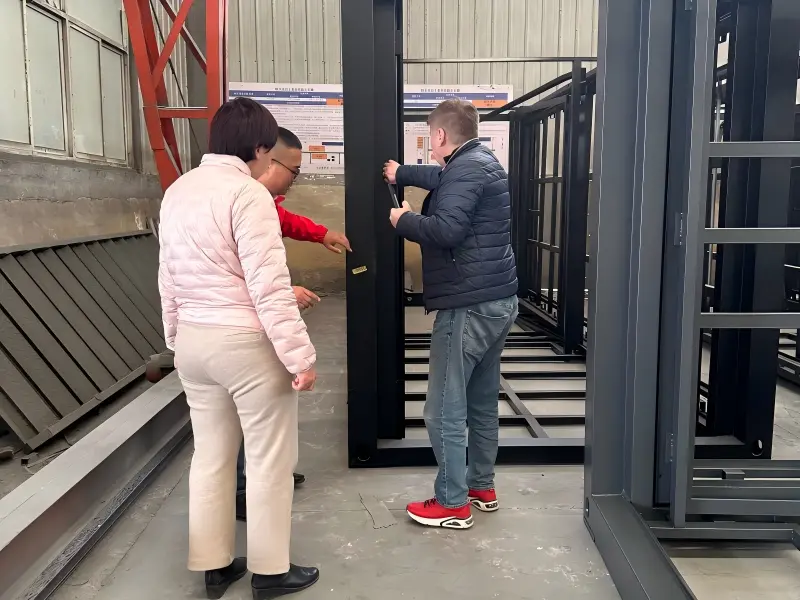
- installation guidance
Durability depends on configuration, climate, installation quality, maintenance, and how the unit is used.
For buyers concerned about long-term use, how long folding houses last should be reviewed together with material quality, anti-rust treatment, waterproofing, ventilation, local climate, and maintenance plan.
Advantage 10: More Controlled Factory Production
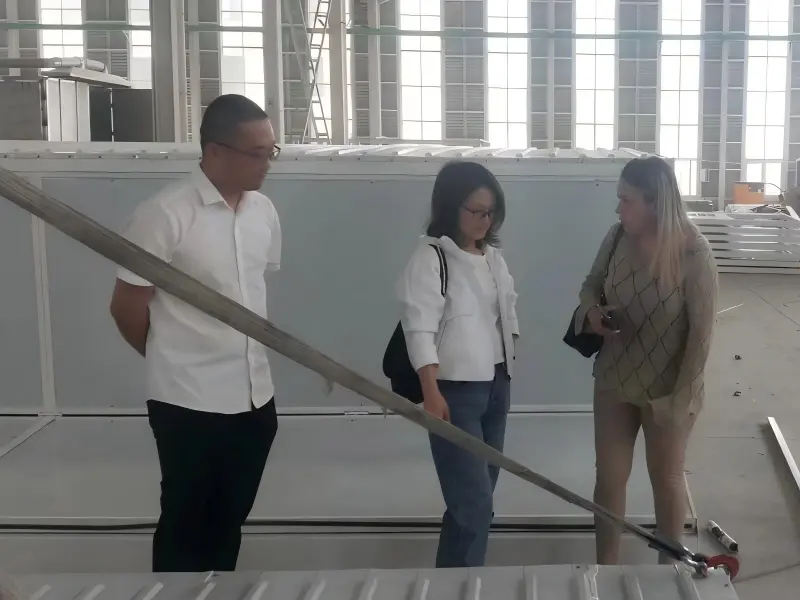
Another advantage of folding container houses is that more work can be completed in a controlled factory environment before shipment.
This may help improve consistency when buyers need many similar units.
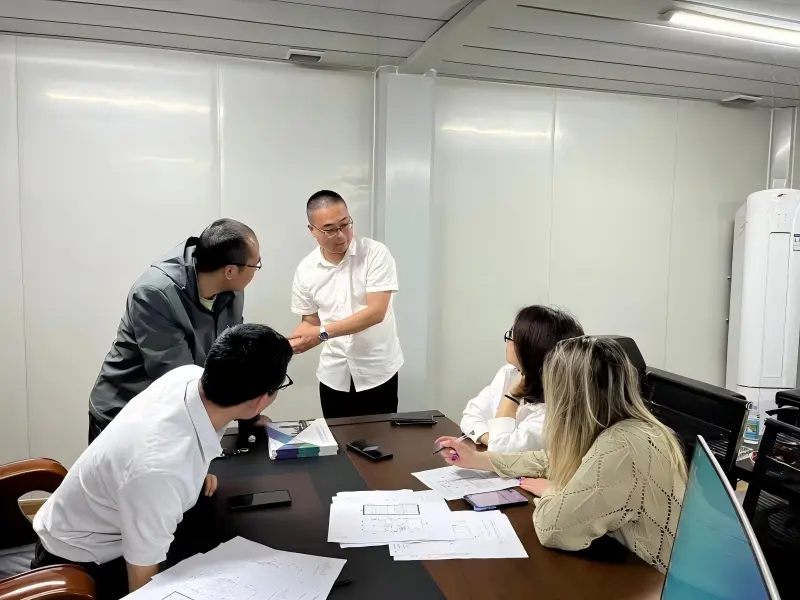
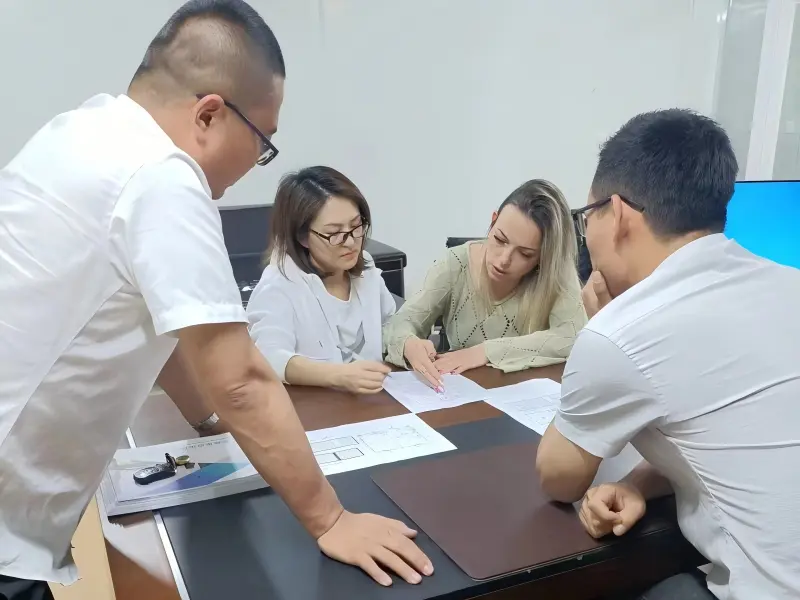
Before placing an order, buyers should ask for:
- drawings
- specifications
- material details
- layout confirmation
- packing dimensions
- loading plan
- installation guidance
- production photos if available
- loading photos before shipment
This helps reduce misunderstanding between buyer and supplier, especially for overseas projects where rework after delivery can be costly.
Common Applications of Folding Container Houses
Folding container houses are commonly used for:
- construction site housing
- worker dormitories
- site offices
- temporary accommodation
- mining camps
- emergency housing
- farm housing
- remote project facilities
- temporary commercial use
- storage and support spaces
Different applications need different configurations. A dormitory unit, site office, toilet unit, and emergency housing unit should not use the same layout standard.
Buyers should confirm the intended use before asking for price.
What Buyers Should Confirm Before Ordering
Before requesting a quotation, buyers should prepare:
- intended use
- project country or destination port
- required size
- estimated quantity
- number of users
- layout requirements
- bathroom, toilet, shower, kitchen, office, or dormitory needs
- wall panel and insulation requirements
- expected project duration
- EXW or FOB trade term
- whether a shipping agent is arranged
- site access and unloading conditions
- whether relocation may be needed later
This information helps the supplier recommend a more suitable folding container house instead of only sending a general price.
Conclusion
Folding container houses offer clear advantages for modern projects, especially when buyers need compact transportation, faster site setup, repeatable layouts, temporary or semi-permanent use, and possible relocation.
They are widely used in construction sites, worker accommodation, site offices, mining camps, emergency housing, farm projects, and remote facilities.
For overseas B2B buyers, the best result comes from matching the folding container house with the real project conditions: use, quantity, shipping plan, foundation, unloading, utilities, local labor, and EXW / FOB responsibility.
A folding container house is not automatically the best solution for every project, but it can be a practical choice when the project needs mobility, repeatability, and efficient deployment.
Need Help Choosing Folding Container Houses?
If you are planning a folding container house project, Sinopala can help review your basic requirements before quotation.
To recommend a suitable option, please share:
- intended use
- project country or destination port
- required size
- estimated quantity
- number of users
- layout requirements
- bathroom, toilet, shower, kitchen, office, or dormitory needs
- wall panel and insulation requirements
- preferred trade term: EXW or FOB
- whether you already have a shipping agent
- site access and unloading conditions
- whether relocation may be needed later
Contact Sinopala:
WhatsApp: +86 150 1103 0786
Email: info@sinopala.com
Website: www.sinopala.com