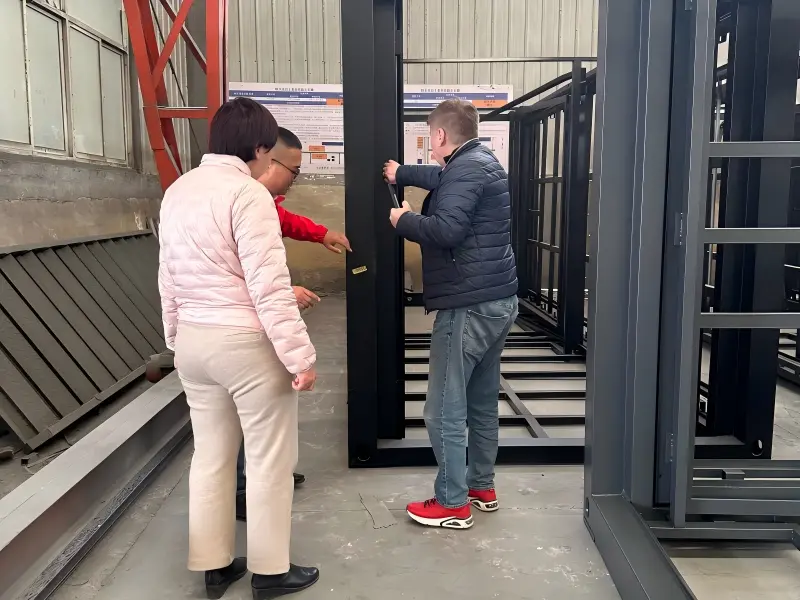
Introduction
Shipping is one of the most important cost factors in an overseas container house project.
Many buyers focus first on the unit price, but the final project cost also depends on packing method, loading plan, container type, destination port, inland delivery, unloading conditions, and local installation preparation.
For container houses, shipping should not be treated as the last step after production. It should be considered from the beginning, because product type, folded size, packing size, bathroom or kitchen configuration, and loading quantity can all affect the final freight plan.
This guide explains the main shipping cost factors from factory to site and shows what buyers should confirm before placing an order.
1. Product Type Affects Shipping Cost
Different container house types have different packing and loading methods.
Folding container houses are usually designed for compact transport after folding. This can make them suitable for bulk accommodation projects, worker camps, dormitories, temporary offices, and project sites where many units are needed.
Expandable container houses usually provide more usable interior space after installation, but their packed size and loading method are different from folding units. The shipping cost per unit may be higher depending on size, configuration, and loading plan.
Modular container houses and container house toilets also need separate loading checks because wet areas, internal fixtures, plumbing parts, or special layouts may affect packing and container arrangement.
So buyers should not compare shipping cost only by product name. The correct comparison should include packed size, loading quantity, container type, configuration, and destination port.
2. Packing Size and Loading Quantity
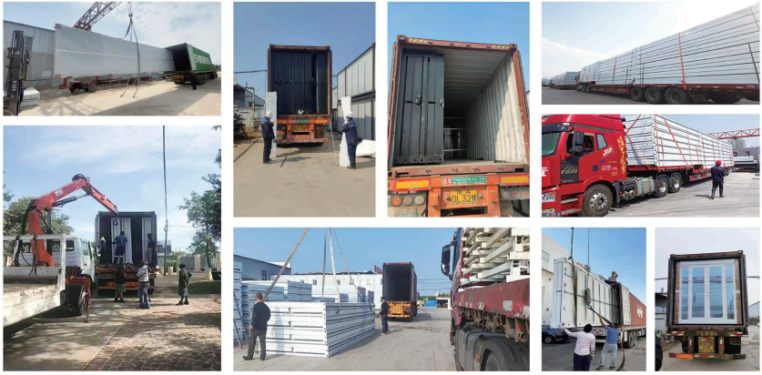
Packing size is one of the most direct factors affecting freight cost.
Before confirming an order, buyers should ask the supplier to confirm:
- Packed size or folded size.
- Unit weight.
- Container type.
- Suggested loading quantity.
- Loading direction.
- Whether the unit is loaded vertically or stacked.
- Whether bathroom, shower, kitchen, or built-in fixtures affect loading.
- Whether loading photos or loading drawings can be provided.
For example, a basic folding house and a folding unit with toilet or shower may not have the same loading plan. A standard expandable container house and a customized larger model may also require different container arrangements.
If the loading plan is not confirmed before production, buyers may find later that the actual shipping cost is different from the early estimate.
3. FCL vs LCL Shipping
For most container house orders, FCL shipping is usually more practical than LCL.
FCL means Full Container Load. The container is used for one shipment, and the goods are usually handled in a more controlled way.
LCL means Less than Container Load. Goods from different shippers may be combined in one container. For container houses, LCL is usually less suitable because the units are large, heavy, and more sensitive to repeated handling.
LCL may only be considered for very small parts, sample accessories, or special trial shipments. For full container house units, buyers should usually plan around FCL shipment.
The final choice depends on quantity, product size, destination, freight availability, and shipping agent advice.
4. EXW and FOB Trade Terms
Trade terms directly affect what is included in the quotation.
SINOPALA currently mainly provides EXW and FOB quotations.
Under EXW, the buyer or the buyer’s shipping agent usually arranges pickup from the factory, export handling, ocean freight, customs clearance, destination port charges, inland delivery, unloading, foundation, local installation, and utility connection.
Under FOB, SINOPALA usually supports delivery to the agreed Chinese port and export-related handling according to the confirmed order. The buyer or buyer’s shipping agent usually arranges ocean freight, customs clearance, destination charges, inland delivery, unloading, installation, and utility connection.
This is why buyers should not compare an EXW price and a FOB price as if they include the same scope.
Before comparing quotations, confirm:
- Trade term.
- Chinese loading port.
- Destination port.
- Whether ocean freight is included.
- Who arranges customs clearance.
- Who arranges destination delivery.
- Who handles unloading and installation.
A low product price may not mean a lower total project cost if the shipping and local delivery scope is unclear.
5. Destination Port and Port-to-Site Delivery
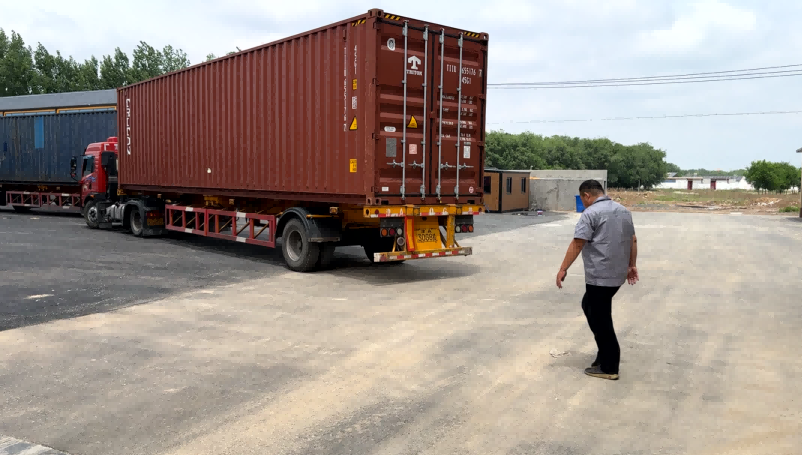
Reaching the destination port is not the end of the shipping process.
For many overseas projects, the difficult part starts after the container arrives at the port. Buyers still need to arrange customs clearance, port charges, inland delivery, unloading equipment, site access, and sometimes temporary storage.
Port-to-site delivery may be affected by:
- Road condition.
- Bridge or height restrictions.
- Remote project location.
- Container truck access.
- Crane or forklift availability.
- Unloading area size.
- Local labor readiness.
- Weather and site condition.
For remote construction, mining, farm, or emergency projects, these issues should be checked before shipment. Otherwise, delays and extra local costs may happen after the container arrives.
6. Unloading and Handling Requirements
Container houses are not ordinary small cargo. Unloading and handling should be planned carefully.
Before shipment, buyers should confirm:
How the units will be unloaded.
- Whether a crane, forklift, or other equipment is needed.
- Whether the site has enough operating space.
- Whether local workers understand the unloading sequence.
- Whether the foundation or support base is ready.
- Whether the units need temporary storage before installation.
If the unloading plan is not ready, the project may face delays, extra equipment rental cost, or product damage risk.
For units with toilets, showers, kitchens, glass doors, windows, or internal fixtures, handling should be even more careful.
7. Packaging and Protection
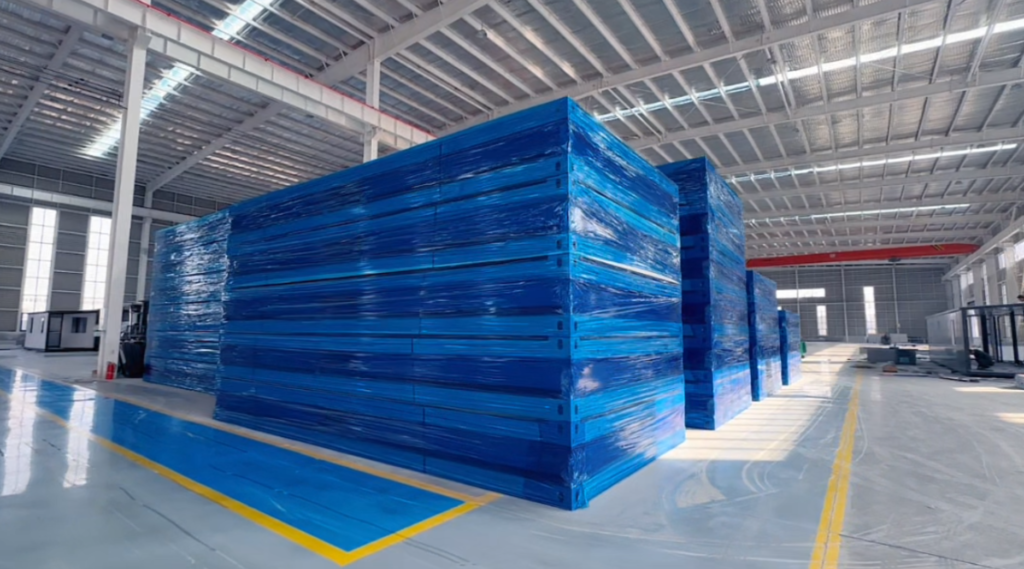
Packaging is not only about appearance. It affects the condition of the goods after long-distance transport.
Container houses may face vibration, humidity, salt air, repeated handling, and long storage time during international shipping.
Good packaging should consider:
- Panel surface protection.
- Corner protection.
- Protection for doors and windows.
- Securing internal accessories.
- Protection for electrical or plumbing components if included.
- Clear packing records.
- Loading photos before shipment.
Reducing packaging quality may lower the early cost, but it can increase repair work, replacement parts, or installation problems later.
Buyers should ask the supplier what packaging method will be used and whether photos can be provided before shipment.
How Experienced Buyers Control Shipping Risk
Experienced buyers usually treat shipping as part of the procurement decision, not a separate step after purchase.
Common practices include:
- Confirming product type before quotation.
- Checking packed size and loading quantity.
- Comparing folding, expandable, modular, and toilet units based on project use.
- Choosing FCL shipment for full units where practical.
- Confirming EXW or FOB scope clearly.
- Asking for packing and loading information before shipment.
- Preparing customs clearance and destination delivery in advance.
- Checking unloading equipment and site access before the container arrives.
- Coordinating foundation and installation preparation early.
These actions may not guarantee a fixed percentage of savings, but they help reduce avoidable costs and project uncertainty.
Common Shipping Mistakes to Avoid
Many shipping problems come from missing details before order confirmation.
Common mistakes include:
- Comparing only unit price without checking loading quantity.
- Ignoring packed size or folded size.
- Assuming all container houses load the same way.
- Choosing LCL for full-size units without checking handling risk.
- Not confirming whether bathroom or kitchen units affect loading.
- Not preparing unloading equipment before arrival.
- Not checking road access from port to site.
- Not confirming EXW or FOB responsibility clearly.
- Reducing packaging quality to save a small amount upfront.
- Failing to coordinate the shipping agent before production is finished.
Avoiding these mistakes can help buyers plan a more realistic total budget.
Shipping Information Buyers Should Provide
To prepare a practical shipping plan, buyers should provide:
- Product type.
- Required quantity.
- Preferred size or layout.
- Whether the unit includes toilet, shower, kitchen, or office functions.
- Destination port.
- Final project location if inland delivery planning is needed.
- Preferred EXW or FOB term.
- Whether the buyer has a shipping agent.
- Whether the site has forklift or crane access.
- Whether the foundation and unloading area are ready.
- Any special delivery restrictions near the project site.
With this information, SINOPALA can help check the suitable loading plan and quotation scope before production and shipment.
Conclusion
Container house shipping is not only about ocean freight. The real shipping cost depends on product type, packing size, loading quantity, container type, trade term, destination port, local delivery, unloading, packaging, and site readiness.
A better shipping plan does not come from a fixed saving percentage. It comes from confirming the right details before production and avoiding unnecessary logistics mistakes.
If you are planning a container house project, please send your product type, quantity, configuration, destination port, preferred EXW or FOB term, and site delivery conditions.
SINOPALA can help check the suitable loading plan, packing information, and quotation scope based on your project details.
Contact SINOPALA:
WhatsApp: +86 150 1103 0786
Email: info@sinopala.com
Website: www.sinopala.com