Introduction
Container houses can last for many years when the steel frame, wall panels, roof system, waterproofing, installation quality, and maintenance plan are properly managed. For project buyers, contractors, camps, and dealers, lifespan is not only about the product itself, but also about climate, site conditions, usage frequency, and long-term maintenance.
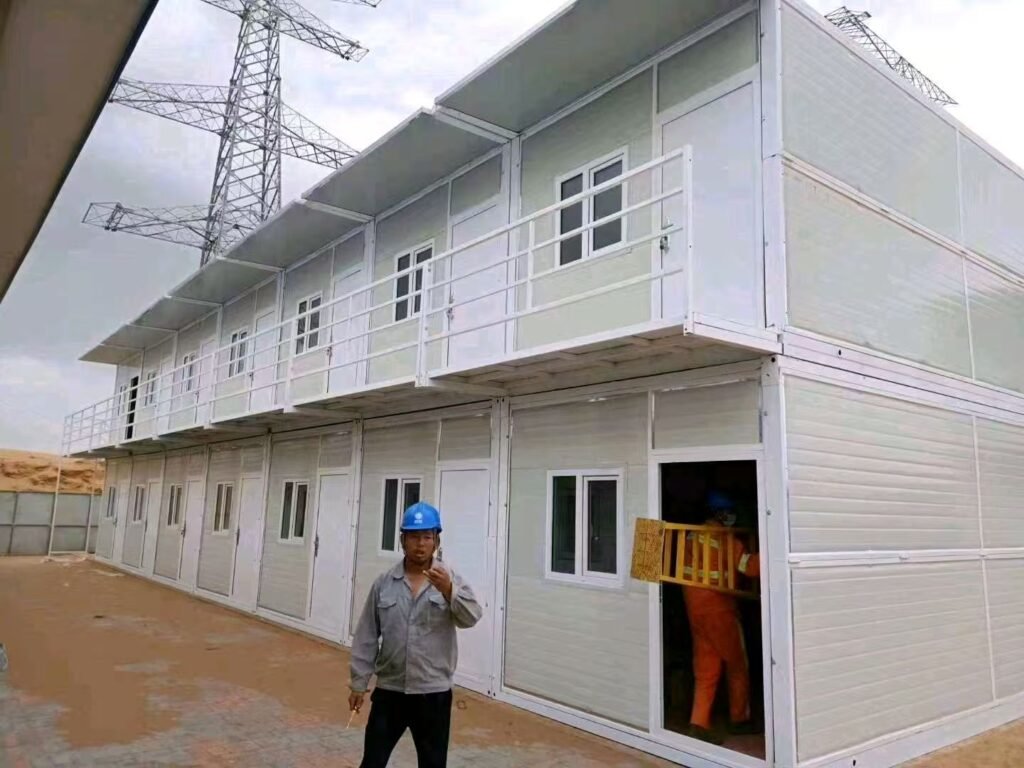
Container house maintenance is important for buyers who want to use their units safely and reliably over time.
The service life of a container house is not decided only by the product itself. It is also affected by installation quality, site drainage, climate, usage intensity, waterproofing, anti-corrosion protection, and regular inspection.
For overseas projects such as worker accommodation, site offices, mining camps, farm housing, rental units, and temporary facilities, small maintenance problems should be checked early before they become larger repair issues.
This guide explains practical container house maintenance points, including roof drainage, rust prevention, waterproof sealing, doors and windows, wall panels, utilities, shipping records, and project environment checks.
It does not promise a fixed lifespan. The goal is to help buyers reduce avoidable durability risks and manage container houses more professionally after installation.
Container House Lifespan: Quick Answer
As a practical reference, a well-maintained expandable container house can normally be used for about 30-40 years. Folding container houses are usually designed for about 10-15 years of use, while flat-pack and quick-assemble container houses are commonly used for about 15-25 years depending on structure, climate, installation quality and maintenance.
In general, a well-built container house can be used for many years in temporary, semi-permanent, or project-based applications. The actual lifespan depends on steel structure quality, anti-rust treatment, wall panel material, roof waterproofing, installation, local climate, and regular maintenance.
| Factor | Why It Matters |
|---|---|
| Steel frame | Affects structural strength and long-term durability |
| Anti-rust treatment | Helps protect the unit in humid, coastal or rainy environments |
| Wall panels | Affect insulation, comfort and aging performance |
| Roof waterproofing | Reduces leakage risk and maintenance cost |
| Installation quality | Poor leveling or sealing can shorten service life |
| Maintenance | Regular checks help extend usable lifespan |
1. Why Container House Maintenance Matters
Container houses are usually designed for efficient installation and practical use, but they are not maintenance-free.
Maintenance helps buyers check problems related to:
- roof drainage
- waterproof sealing
- rust spots
- damaged coating
- doors and windows
- wall panels
- flooring
- electrical systems
- plumbing systems
- site drainage
- foundation or base condition
Small issues such as blocked drainage, damaged sealant, scratched coating, or poor site drainage may create larger problems if they are ignored.
A maintenance plan is especially important for coastal areas, humid climates, mining camps, worker accommodation, high-use rental units, and long-term project sites.
2. Check Roof Drainage and Waterproofing
Roof drainage and waterproofing should be checked regularly.
Buyers should inspect:
- roof drainage paths
- water accumulation areas
- roof joints
- sealant around roof edges
- screw or fixing points
- connection areas after installation
- water marks inside the unit
If water stays on the roof or around the base for a long time, it may increase the risk of leakage, coating damage, rust, or interior panel problems.
For projects in rainy, humid, or coastal locations, waterproofing checks should be part of the regular maintenance routine.
3. Inspect Rust and Anti-Corrosion Protection
Rust prevention is one of the most important parts of container house maintenance.
Buyers should check:
- steel frame surfaces
- welded areas
- corner areas
- roof and base frame
- scratched coating
- cutting or fixing points
- areas damaged during unloading or installation
If the coating is damaged, buyers should repair the affected area early according to the supplier’s maintenance recommendation.
The risk of corrosion may be higher in coastal areas, humid climates, heavy-rainfall regions, industrial sites, or mining environments.
Before ordering, buyers should also ask the supplier to confirm the steel treatment method, coating details, wall panel structure, and recommended maintenance method for the project environment.
4. Maintain Doors, Windows and Sealants
Doors, windows, and sealants are common maintenance points.
Buyers should check:
- door opening and closing condition
- window sealing
- rubber seals
- joint sealants
- water marks around openings
- loose fittings
- damaged handles or locks
Poor sealing may allow water, dust, wind, or insects to enter the unit. In worker accommodation, offices, bathrooms, or kitchen areas, sealing problems can also affect comfort and maintenance cost.
If sealants become aged, cracked, or detached, they should be repaired before water leakage becomes serious.
5. Check Wall Panels, Floors and Interior Areas
Wall panels, floors, and interior finishes should be checked according to usage intensity.
High-use areas may include:
- worker dormitories
- bathroom areas
- kitchen areas
- rental units
- site offices
- mining camp accommodation
- construction accommodation
Buyers should inspect wall panel joints, floor condition, bathroom waterproofing, kitchen ventilation, interior condensation, and areas with frequent contact.
If the container house is used in humid or high-occupancy conditions, ventilation and moisture control are especially important.
Before ordering, buyers should choose wall panels, insulation, flooring, and interior finishes based on the real use environment rather than only comparing the lowest price.
6. Maintain Electrical and Plumbing Systems
Electrical and plumbing systems should be checked regularly, especially in accommodation, toilet, shower, kitchen, and laundry units.
Buyers should check:
- electrical sockets
- switches
- lighting
- distribution box condition
- wiring protection
- water supply pipes
- drainage pipes
- bathroom fittings
- kitchen plumbing
- leakage around wet areas
For overseas projects, electrical and plumbing requirements may vary by country and local standards. Buyers should confirm requirements before ordering and arrange qualified local work where needed.
For container house toilets, shower units, kitchen units, and camp facilities, plumbing and drainage maintenance should be planned from the beginning.
7. Keep Installation, Unloading and Repair Records
For overseas projects, maintenance records are important.
Buyers should keep:
- production photos if available
- packing photos
- loading photos
- unloading photos
- installation photos
- foundation or base photos
- utility connection records
- maintenance notes
- repair records
These records help identify whether a later problem may be related to production, shipping, unloading, installation, site drainage, local use, or maintenance.
This is especially useful when the buyer needs after-sales support or when several parties are involved, such as supplier, shipping agent, local installer, and project operator.
8. Maintenance Tips for Different Project Environments
For high-use sites such as construction camps, mining camps, worker dormitories and remote project offices, maintenance should be planned as part of the operating cost. Units used by many people every day usually need more frequent checks on doors, windows, wall panels, flooring, plumbing and electrical connections than units used as private accommodation or seasonal housing.
Different project environments require different maintenance attention.
- For coastal or humid areas, buyers should pay more attention to anti-corrosion protection, roof drainage, waterproof sealing, and ventilation.
- For mining or industrial sites, buyers should check dust, vibration, site traffic, coating damage, and utility protection.
- For worker accommodation, buyers should check doors, windows, floors, bathrooms, plumbing, and ventilation more frequently because daily use intensity is higher.
- For temporary site offices or storage units, the maintenance focus may be roof drainage, door sealing, base condition, and security fittings.
- For rental or public-use projects, buyers should also plan cleaning, inspection, repair responsibility, and user management.
9. Common Container House Maintenance Mistakes
Common maintenance mistakes include:
- checking only the interior and ignoring the roof
- not repairing scratched coating
- ignoring rust spots at an early stage
- allowing water to stay around the base
- not checking door and window sealing
- forgetting bathroom and kitchen waterproofing
- not cleaning drainage areas
- ignoring damage from unloading or lifting
- not keeping maintenance records
- waiting until leakage or rust becomes serious
These mistakes may increase repair cost and reduce the usable life of the unit.
To avoid common sourcing and maintenance risks, read Top 5 Mistakes When Buying Container Houses from China.
Conclusion
Container house maintenance should not be ignored after installation.
Roof drainage, waterproof sealing, rust prevention, doors, windows, wall panels, electrical systems, plumbing systems, and site drainage all need regular checking according to the project environment and usage intensity.
For overseas projects, buyers should also keep installation photos, unloading photos, maintenance records, and repair notes. These records can help identify whether a later issue is related to production, shipping, unloading, installation, site drainage, local use, or maintenance.
A good maintenance plan helps reduce avoidable repair risks and supports safer, more reliable long-term use of the container house.
Get a Project-Specific Maintenance Recommendation
If you need maintenance or material recommendations for a container house project, please send us:
product type: expandable container house, folding container house, modular container house, or container house toilet
required size: 10ft, 20ft, 30ft, or 40ft if applicable
intended use
project location or climate condition
expected project duration
quantity
layout or configuration requirements
whether the units include toilets, showers, kitchen, or plumbing systems
destination port
preferred trade term: EXW or FOB
whether you already have a shipping agent
Sinopala can help check suitable product options, material choices, maintenance points, loading plan, and quotation based on your project details.
WhatsApp: +86 150 1103 0786
Email: Lee@sinopala.com
Website: www.sinopala.com