Introduction
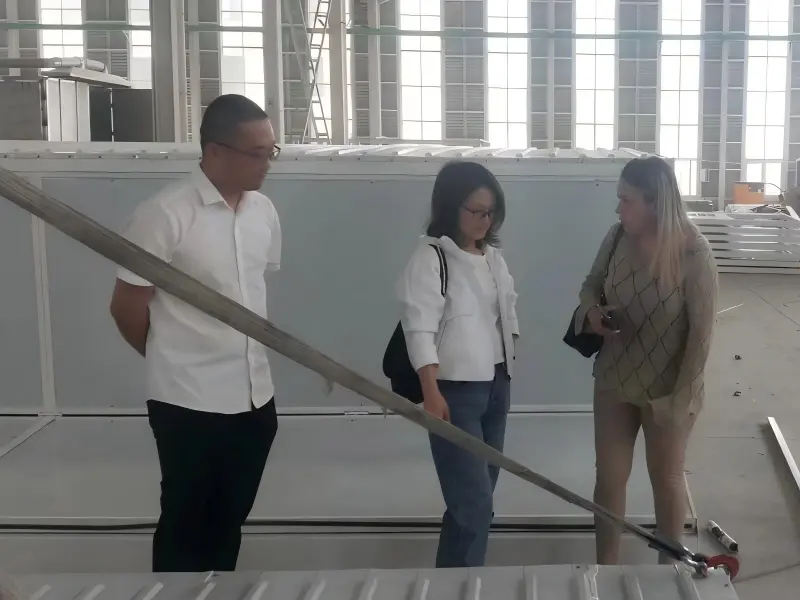
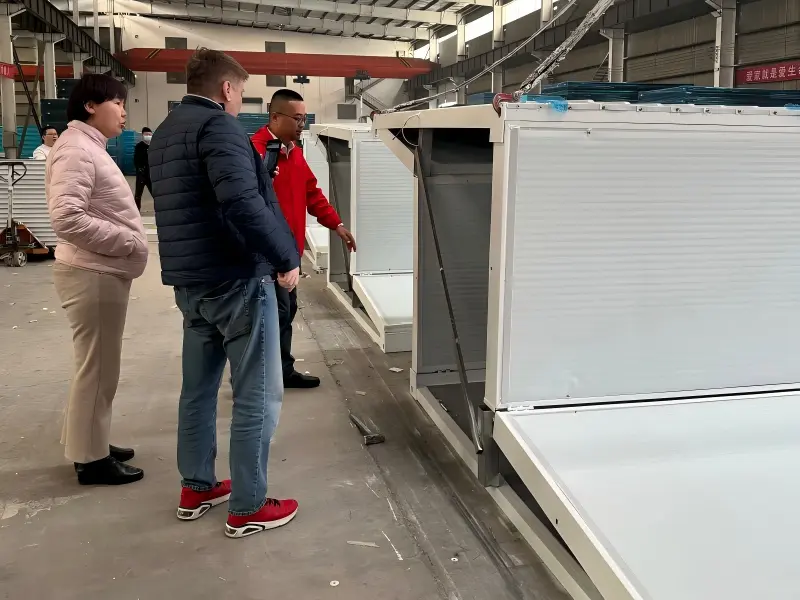
Buying container houses from China can be a practical way to control project cost, especially for overseas buyers, contractors, dealers, camp developers, and temporary housing projects. However, many problems happen when buyers compare only the unit price and ignore product specifications, loading plans, installation requirements, and quotation terms.
In real export projects, sourcing mistakes often do not appear during the first quotation. They usually become visible during production, container loading, shipping, installation, or long-term use.
This guide explains the top five mistakes buyers should avoid when buying container houses from China, including price comparison, material quality, logistics, installation, electrical/plumbing requirements, and product type selection.
Mistake 1: Focusing Only on the Lowest Unit Price
One of the most common mistakes is choosing a supplier only because the unit price looks lower.
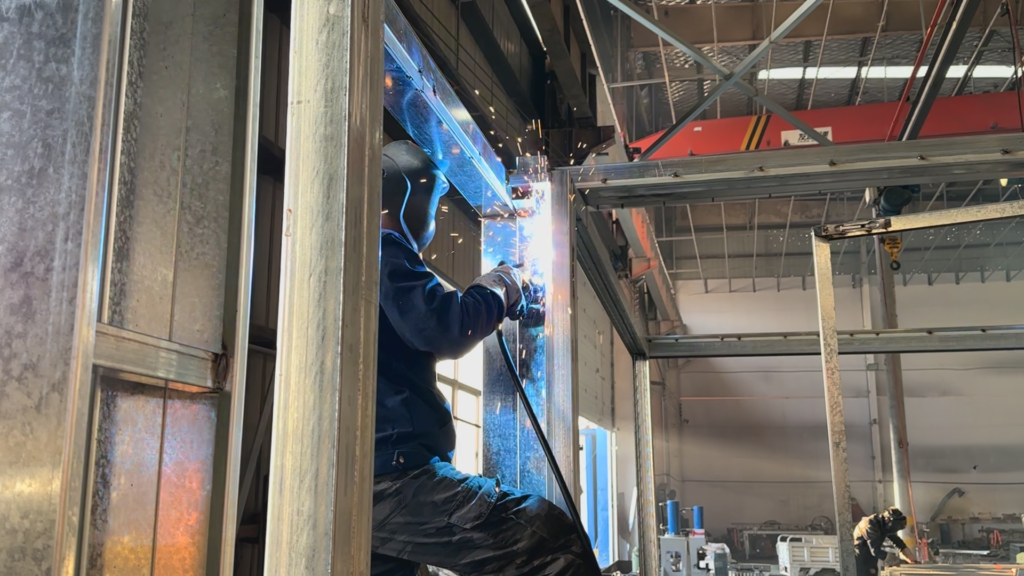
A low price may come from different material choices, thinner wall panels, weaker steel structure, basic insulation, fewer included accessories, or unclear packing and loading details. For overseas buyers, these differences can later become repair costs, installation delays, or quality disputes.
Before comparing prices, buyers should confirm:
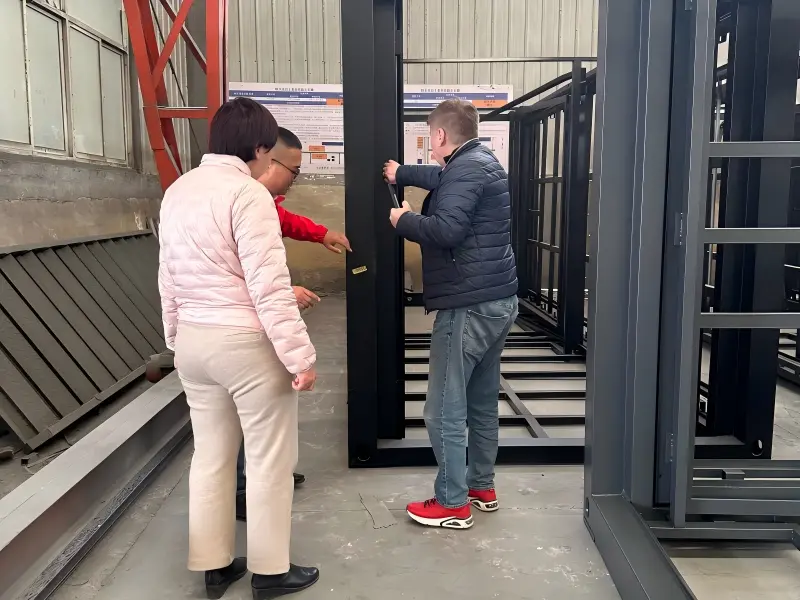
- steel frame structure and thickness
- wall panel thickness and insulation material
- roof and floor structure
- door and window quality
- anti-rust and corrosion protection
- electrical system requirements
- bathroom or kitchen configuration
- packing and loading method
What to do instead:
- ask for full technical specifications
- compare the same size and configuration
- confirm what is included in the quotation
- avoid comparing only the lowest unit price
For a deeper cost breakdown, read our container house price guide before comparing supplier quotations.
Mistake 2: Ignoring Logistics and Loading Efficiency
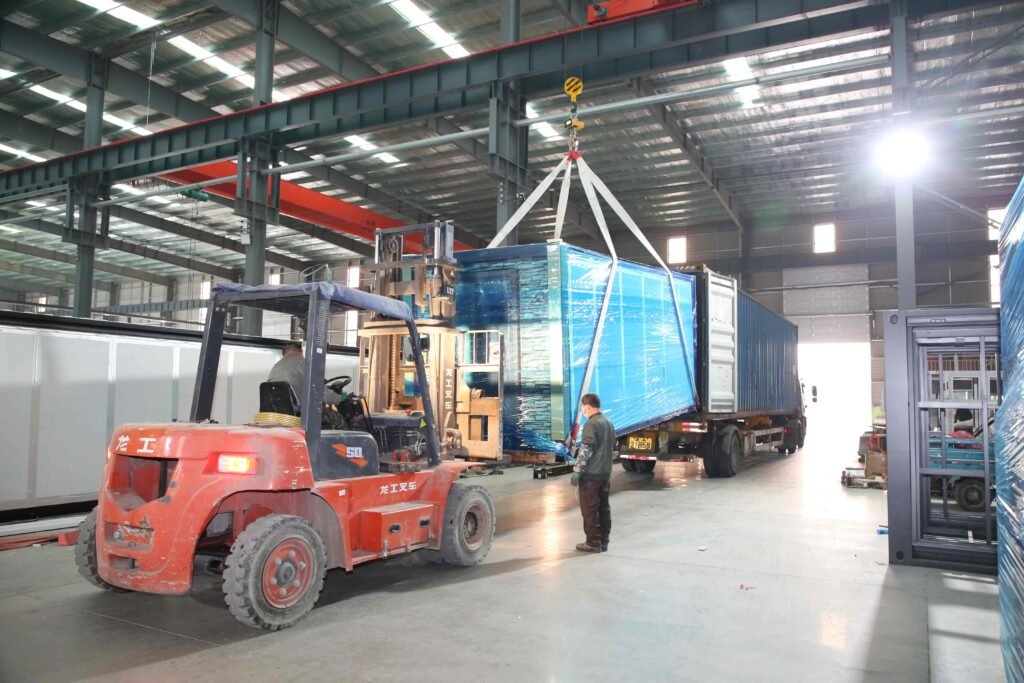
Shipping and loading planning can strongly affect the final project cost. Many buyers only ask for the product price, but forget to confirm how many units can be loaded, what container type is required, and whether the quotation is based on EXW or FOB terms.
For international orders, buyers should confirm:
- packing size
- container loading quantity
- whether loading photos or loading plan can be provided
- destination port
- FOB port if required
- whether the buyer already has a freight forwarder
- who arranges ocean freight, customs clearance, import tax, and local delivery
Sinopala currently mainly provides EXW and FOB quotations. The buyer or buyer’s shipping agent usually arranges ocean freight, customs clearance, import tax, and local delivery.
What to do instead:
- confirm loading quantity before ordering
- ask for packing and loading details
- compare total landed cost, not only product price
- make the shipping responsibility clear before production
You can also read our container house shipping guide to understand packing, loading, and freight planning before shipment.
Mistake 3: Overlooking Installation Requirements
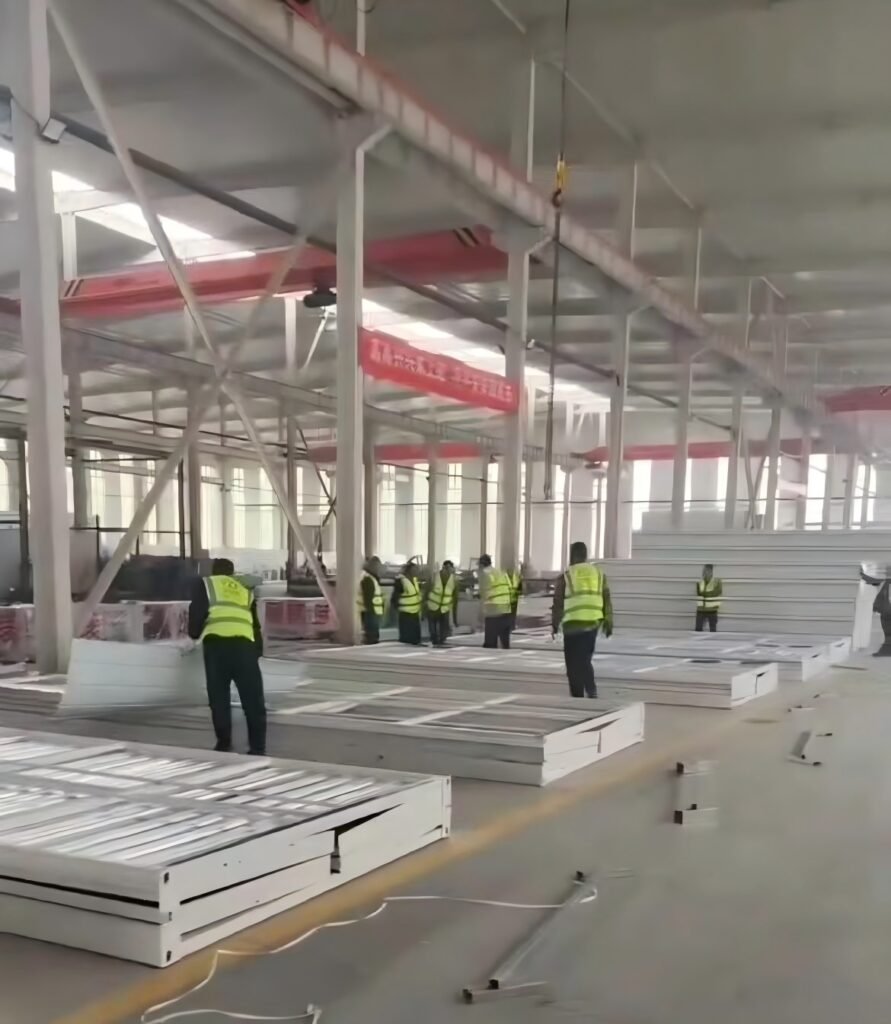
Container houses may look simple in a catalog, but installation still requires site preparation, tools, workers, lifting equipment, and clear instructions.
Common installation problems include:
- unclear foundation requirements
- no installation drawings
- no installation video
- missing accessories
- unclear sealing or waterproof steps
- not confirming whether cranes or forklifts are required
These issues may increase labor cost, delay installation, or cause quality problems after setup.
What to do instead:
- ask for installation drawings or videos
- confirm basic foundation requirements
- check whether lifting equipment is needed
- confirm accessory list before shipment
- prepare local workers or contractors before arrival
If you want to understand the project timeline, read our guide on how long it takes to build a container house.
Mistake 4: Not Checking Electrical and Plumbing Requirements
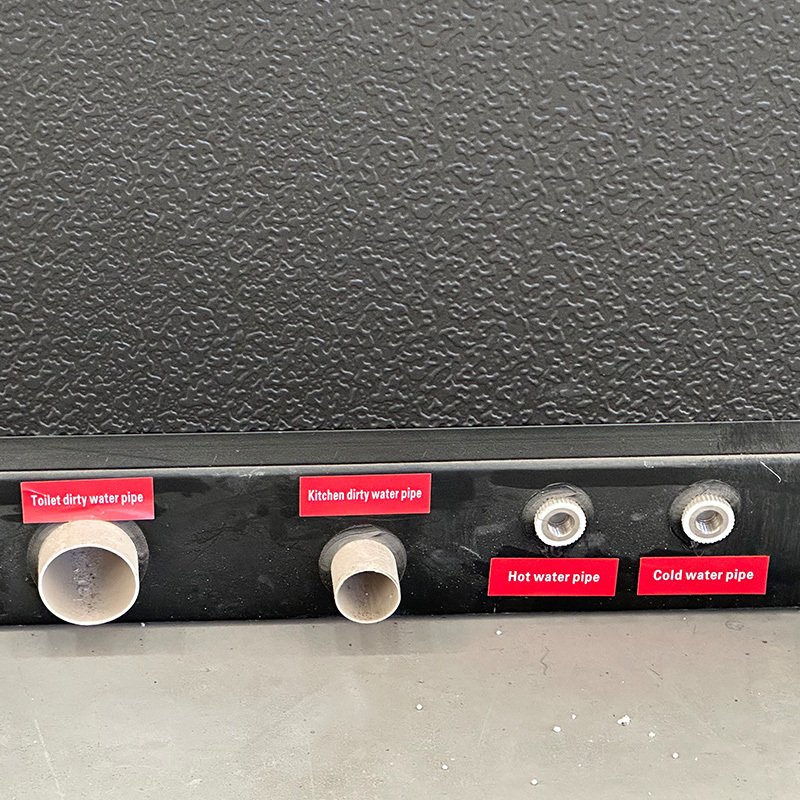
Electrical and plumbing requirements are important for overseas buyers because standards may differ by country, region, project type, and local regulations.
Common problems include:
- wrong voltage or plug type
- unclear electrical configuration
- missing electrical requirements before production
- poorly planned drainage position
- bathroom or kitchen requirements not confirmed early
- local contractor needing rework after delivery
Before ordering, buyers should clearly confirm whether electrical system, bathroom, kitchen, drainage, and plumbing details are included in the quotation.
What to do instead:
- confirm voltage and plug requirements
- confirm whether bathroom or kitchen is included
- request wiring or plumbing details if needed
- check local requirements with local professionals before installation
- do not assume all systems automatically meet local codes
Sinopala can prepare electrical, bathroom, or kitchen options according to project requirements, but overseas buyers should confirm local compliance with local professionals before installation.
Mistake 5: Choosing the Wrong Product Type for Your Project
Not all container houses are designed for the same use. Choosing the wrong product type may increase cost, reduce comfort, or create unnecessary installation and logistics problems.
For example:
- folding container houses may be suitable for large-quantity temporary accommodation or fast deployment
- expandable container houses may be better for residential, rental, office, or comfort-focused projects
- modular container houses may be suitable for larger camps, offices, or project facilities
- container house toilets may be used as support facilities for sites, camps, events, or public projects
What to do instead:
- match the product type with project use
- confirm whether the project is short-term or long-term
- consider comfort level and interior configuration
- compare loading efficiency and installation difficulty
- confirm whether future relocation is required
If you are comparing product types, our expandable vs folding container houses guide can help you choose the right option.
Bonus: What Professional Buyers Usually Verify
Professional buyers usually check more than the product price. They also verify:
- supplier type: factory or trading company
- material specifications
- wall panel thickness
- included accessories or spare parts
- waterproof treatment
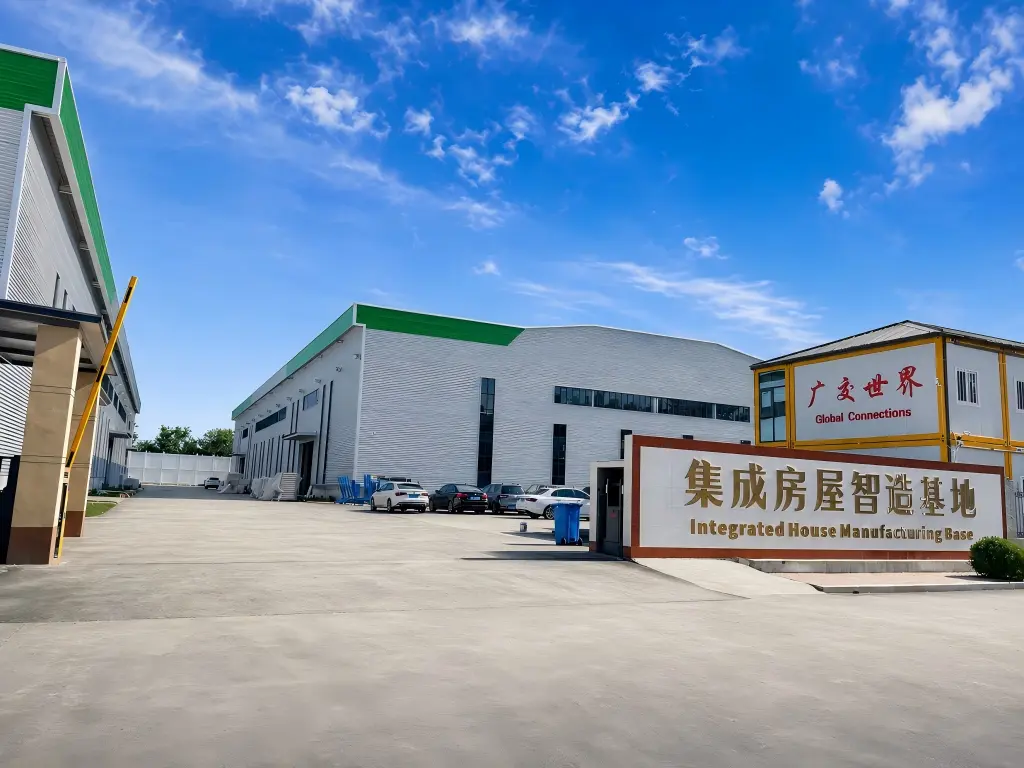
- production photos or videos
- packing and loading plan
- EXW or FOB quotation terms
- after-sales support process
These details help buyers reduce risk before production, shipment, and installation.
If you are comparing suppliers, read our guide on choosing a container house supplier in China before placing an order.
Conclusion
Buying container houses from China is not only about finding the lowest price. A successful project depends on clear specifications, suitable product type, reliable supplier communication, proper loading plan, correct quotation terms, and realistic installation preparation.
By avoiding the five mistakes above, buyers can reduce sourcing risk, avoid unexpected costs, improve project planning, and make better purchasing decisions before production starts.
For larger camp projects, our mining camp cost breakdown and ROI guide can help you estimate the full project budget.
Get a Container House Quotation from China
If you are planning to source container houses from China, please send us the basic project information first:
product type: expandable container house, folding container house, modular container house, or container house toilet
quantity
intended use: housing, office, camp, rental, emergency project, commercial use, or site support
layout or configuration requirements
bathroom or kitchen requirements
destination port
quotation term: EXW or FOB
Sinopala can help check the suitable product type, technical details, loading plan, and EXW / FOB quotation based on your project needs.
WhatsApp: +8615011030786
Email: info@sinopala.com
Website: www.sinopala.com