Introduction
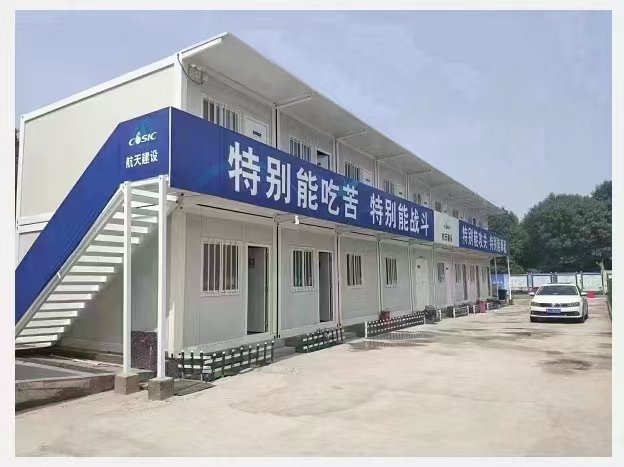
A mining camp layout is not only about placing container units on a site. It affects how workers live, move, eat, rest, work, and access basic services every day.
For mining, energy, construction, and remote industrial projects, a practical camp layout should consider accommodation capacity, office needs, toilets and showers, kitchen and dining areas, storage, access roads, installation space, utilities, safety routes, and future expansion.
Poor layout planning may create unnecessary walking distance, difficult site management, installation delays, utility connection problems, or inefficient use of land.
A well-planned modular container camp should match the number of workers, project duration, site conditions, local climate, and operational requirements.
This guide explains how to plan a mining camp layout using modular container houses, including zoning, movement routes, infrastructure, safety areas, and container unit selection.
1. Define Camp Capacity and Main Functions
Before choosing container units, buyers should first define the camp capacity and main functions.
Key questions include:
- How many workers or users will live in the camp?
- Is the number of users fixed or changing during the project?
- How long will the project last?
- Will the camp need offices, meeting rooms, or management space?
- How many toilets and showers are required?
- Is a kitchen or dining area needed?
- Will the camp need storage, laundry, medical, or security rooms?
- Will the camp need to expand later?
A mining camp may include:
- worker dormitory units
- site offices
- meeting rooms
- kitchen and dining areas
- container toilets and shower rooms
- storage units
- laundry rooms
- security rooms
- medical or first-aid rooms
The layout should be planned based on real camp use, not only the number of container units.
2. Plan Functional Zones
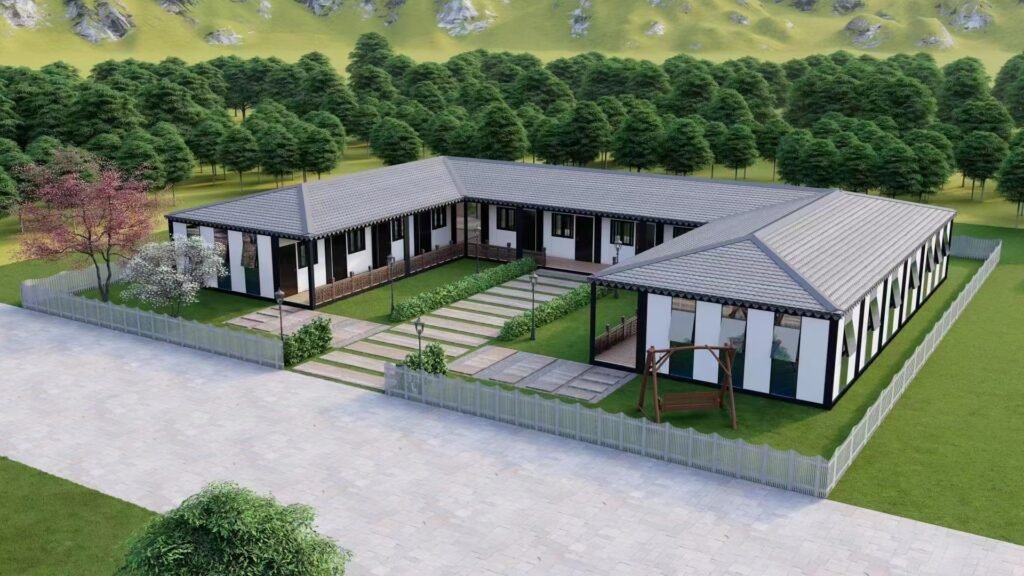
A mining camp layout should separate different functions clearly.
Common functional zones include:
- living zone
- office and management zone
- dining and kitchen zone
- toilet and shower zone
- storage and logistics zone
- medical or first-aid zone
- security and entrance control area
- equipment or vehicle access area
The living zone should usually be placed away from heavy equipment, high-noise areas, and main vehicle movement routes.
The office zone should be easy to access for management, visitors, and daily coordination.
The dining and kitchen zone should be placed where workers can reach it conveniently without crossing unsafe or high-traffic areas.
The toilet and shower zone should be close enough for daily use but planned carefully for drainage, water supply, and maintenance access.
The logistics zone should allow trucks, cranes, forklifts, or service vehicles to move without disturbing the living area.
Clear zoning helps make the camp easier to manage, expand, and maintain.
3. Design Practical Walking Routes
Walking routes are important in a mining camp layout.
Workers should be able to move between dormitories, dining areas, offices, toilets, showers, and work-related zones in a safe and practical way.
Buyers should consider:
- main pedestrian routes
- vehicle routes
- emergency access routes
- lighting along pathways
- weather protection if needed
- clear separation between people and vehicles
- access to toilets and showers
- access to dining and kitchen areas
- access for maintenance work
The goal is not only to make the camp look organized on a drawing. The layout should support daily movement, site management, safety, and maintenance.
Avoid narrow routes, blocked access, confusing circulation, or placing high-use facilities too far from the main living area.
4. Leave Space for Future Expansion
Many mining and remote project camps change during operation.
The number of workers may increase, office needs may change, or additional toilets, showers, storage, or dining space may be required later.
When planning the layout, buyers should consider:
- reserved space for extra units
- future utility connection points
- possible expansion direction
- road and crane access for future installation
- extra toilet and shower capacity
- space for additional offices or storage
- safe distance between functional zones
If expansion is not considered early, adding more units later may require layout changes, extra utility work, or more complicated installation.
A grid-based or modular layout can make future expansion easier, but it should still be designed according to the real site conditions.
5. Plan Infrastructure and Utilities Early
Infrastructure and utilities should be considered before the container units are shipped.
A mining camp may need:
- power supply
- water supply
- drainage and sewage
- foundation or base preparation
- lighting
- fire safety preparation
- communication systems
- waste management
- access roads
- maintenance access
- local inspection or approval work, if required
The location of toilets, showers, kitchen, dining areas, and laundry rooms should be coordinated with water supply and drainage planning.
The location of offices, dormitories, and security areas should also consider power supply, lighting, communication, and maintenance access.
These works are usually handled locally by the buyer or local contractor. They are not normally included in a basic EXW or FOB product quotation.
For remote mining projects, utility planning should be checked early to reduce later site changes and installation delays.
6. Consider Transportation and Installation Access
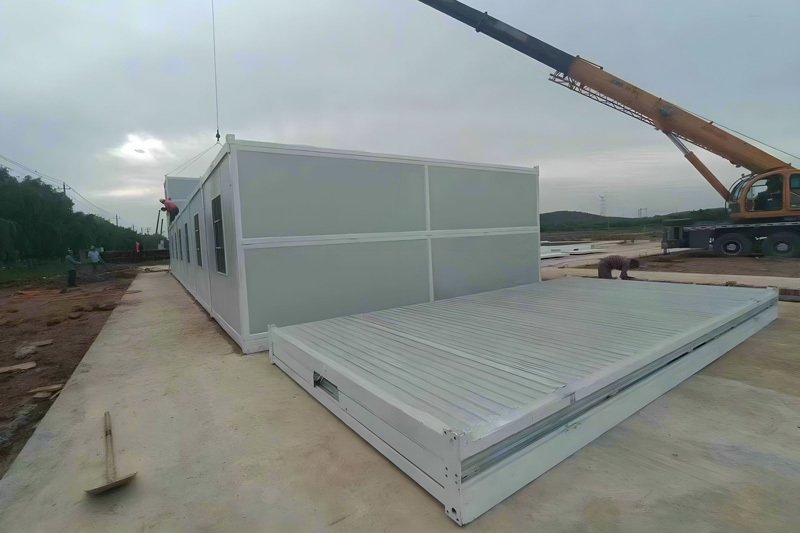
A mining camp layout should consider how the units will arrive, unload, and be installed.
Before finalizing the layout, buyers should check:
- truck access route
- turning space
- crane or forklift access
- temporary staging area
- container unloading area
- road condition near the site
- site slope or ground condition
- space for future unit replacement or expansion
If the layout does not allow proper delivery and installation access, the project may face delays, extra equipment cost, or difficult site handling.
For a detailed installation cost explanation, read our Container House Installation Cost guide.
7. Plan Safety and Site Management Areas
Safety and site management should be considered in the layout stage.
Buyers should plan:
- clear entrance and exit points
- emergency access routes
- fire safety space where required
- lighting for main routes
- separation between vehicle routes and pedestrian areas
- security or guard area
- medical or first-aid room
- safe access to toilets, showers, and dining areas
- maintenance access for utilities
- local compliance or inspection requirements
Requirements may vary by country, region, project type, and local authority. Buyers should check local rules before confirming the final layout.
A practical camp layout should make daily movement, emergency access, maintenance, and site management easier.
8. Choose the Right Container Unit Type
Different container unit types can be used in different areas of a mining camp.
- Expandable container houses may be suitable for accommodation, offices, or units that need more usable interior space and better layout comfort.
- Folding container houses may be suitable for temporary accommodation, fast deployment, simple site offices, or projects that need efficient loading.
- Modular container houses may be suitable for larger camp layouts, dormitory blocks, office areas, kitchen and dining units, and multi-unit planning.
- Container house toilets may be used for toilets, showers, and sanitary support areas in the camp.
The right choice depends on camp size, intended use, project duration, transport conditions, installation capability, and budget.
For product type comparison, read Expandable vs Folding Container Houses: Which One Saves More Money?
9. Common Mining Camp Layout Mistakes
Common layout mistakes include:
- planning the camp before confirming worker capacity
- placing dormitories too close to noisy or high-traffic areas
- forgetting toilet and shower access
- not planning kitchen and dining flow
- mixing pedestrian routes with vehicle routes
- leaving no space for expansion
- ignoring crane, forklift, or truck access
- not planning water, drainage, and power routes early
- not checking local safety or inspection requirements
- choosing container unit types without considering the full camp layout
These mistakes may lead to difficult installation, poor daily operation, higher local work cost, or future redesign.
To understand budget-related mistakes, read Mining Camp Cost: Full Breakdown & ROI Analysis.
Conclusion
A mining camp layout is more than a group of container units placed on a site.
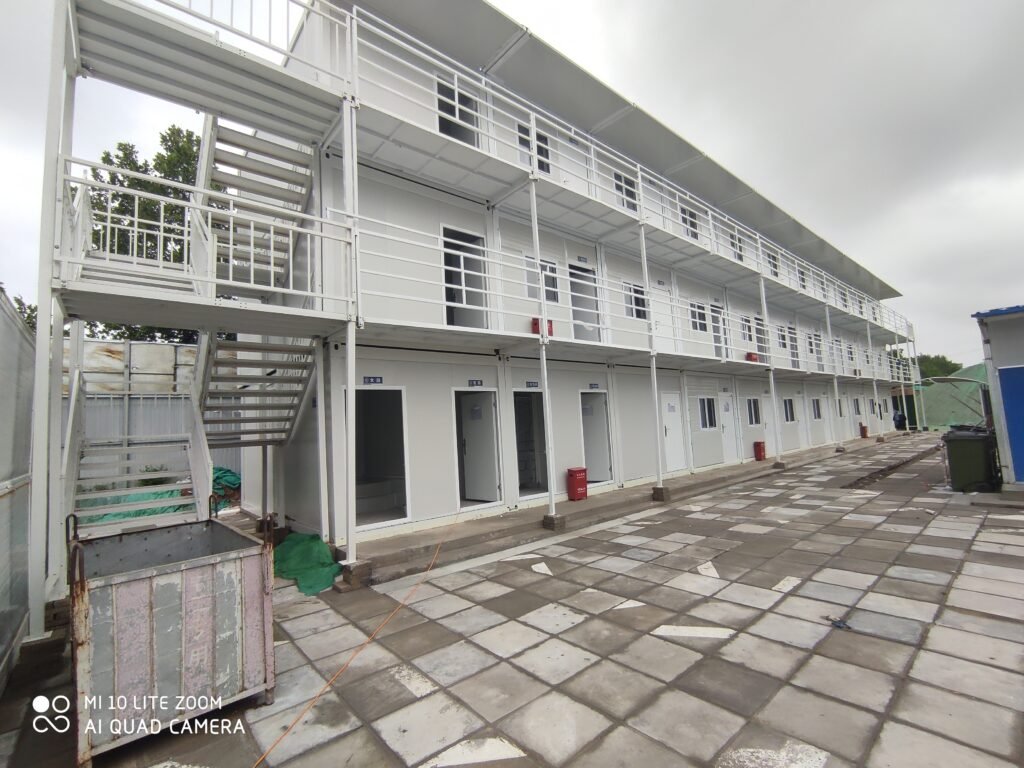
A practical layout should consider worker capacity, functional zones, walking routes, utilities, installation access, safety areas, future expansion, and the right container unit type.
For mining, energy, construction, and remote industrial projects, good layout planning can make the camp easier to install, manage, maintain, and expand.
Before ordering container houses, buyers should confirm the site conditions, camp functions, user capacity, infrastructure requirements, and local installation access.
The best mining camp layout is the one that fits the project site, workforce needs, operating plan, and total budget.
Get a Project-Specific Mining Camp Layout Recommendation
If you are planning a mining camp or remote project accommodation, please send us:
number of workers or users
required room types
product type: expandable container house, folding container house, modular container house, or container house toilet
required size: 10ft, 20ft, 30ft, or 40ft if applicable
camp layout or configuration requirements
toilet, shower, kitchen, or dining requirements
project location or destination port
site access condition
preferred trade term: EXW or FOB
whether you already have a shipping agent
whether the site and local installation team are ready
Sinopala can help compare suitable container unit types, layout options, loading plans, and possible project cost factors based on your camp requirements.
WhatsApp: +86 150 1103 0786
Email: info@sinopala.com
Website: www.sinopala.com