Introduction
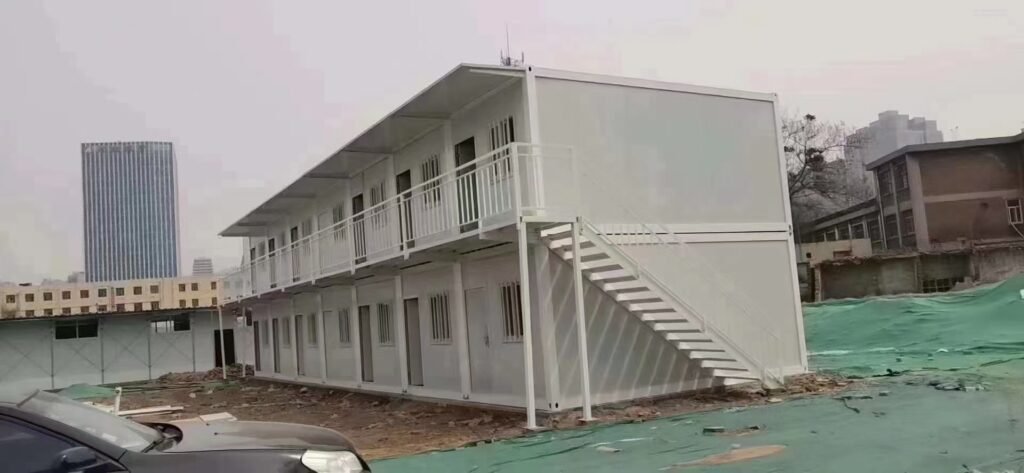
Mining projects operate in some of the most demanding environments in the world. Remote locations, extreme weather, fluctuating workforce requirements, and aggressive timelines make traditional on-site construction inefficient and financially unpredictable.
This is why containerized modular housing has become the standard solution for mining operators and EPC contractors. It delivers measurable advantages: deployment speed, structural durability, cost predictability, and scalability.
In real projects, fully functional mining camps can be installed in days instead of months, with the flexibility to expand or relocate as operations evolve.
Why Traditional Construction Struggles on Mining Sites
Mining locations rarely support conventional building methods.
Material transport is inconsistent, labor availability is limited, and weather interruptions are common. As a result, traditional construction introduces risk at every stage of the project.
A typical mining camp built using conventional methods requires 3–6 months, with labor accounting for 40–60% of total cost. Delays, rework, and material waste further increase the final budget.
expandable container house ROI
Factory-built container units eliminate these variables. Production is completed in controlled conditions, and units arrive on site ready for installation.
How Container Housing Works in Real Mining Projects
Deployment Speed That Matches Project Timelines
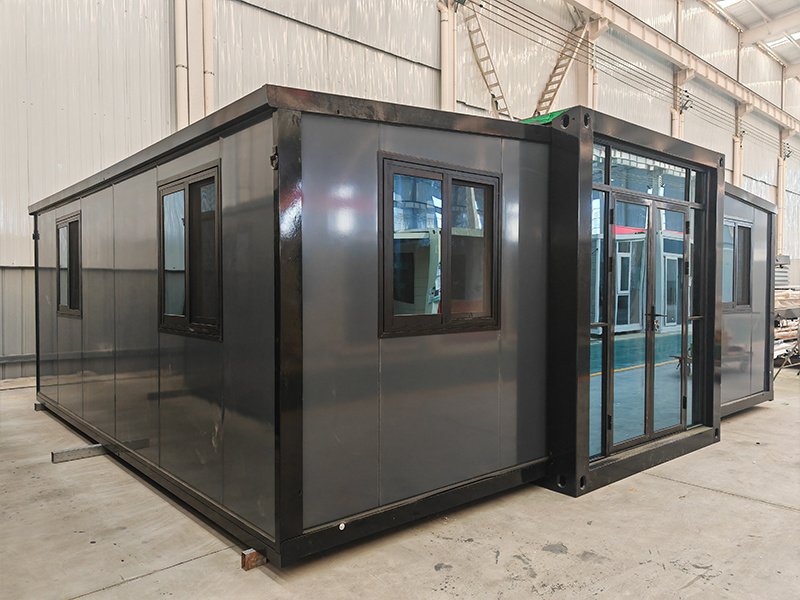
Container units are delivered preassembled, eliminating most on-site construction work.
With a trained crew, a full camp can be operational in under one week, reducing total project timelines by 40–60% compared to traditional construction.
container house installation cost
Logistics Designed for Remote Operations
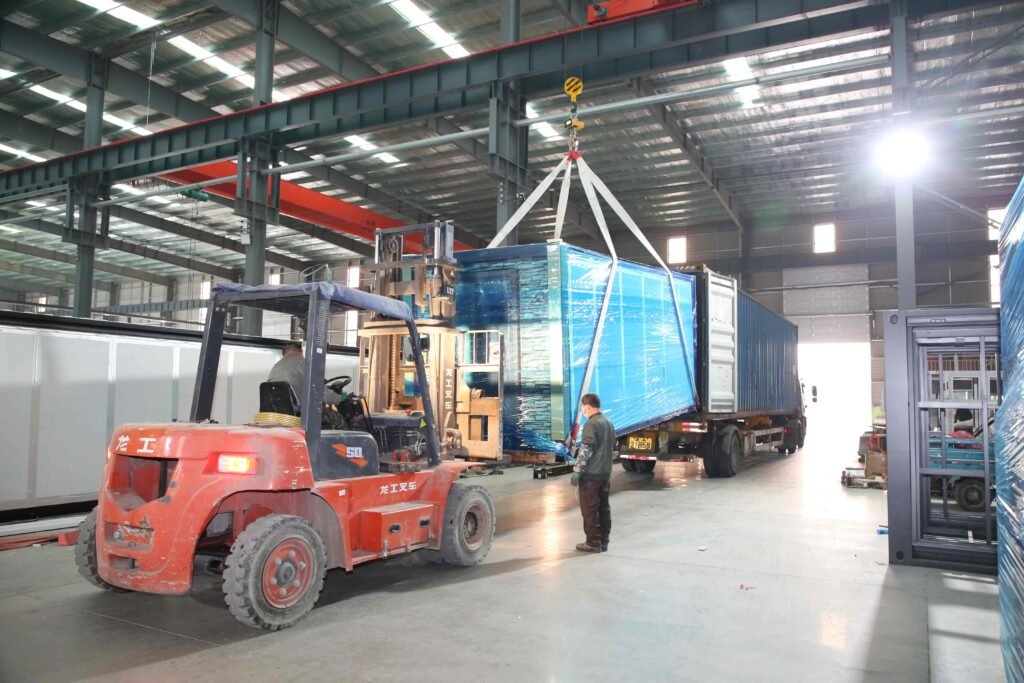
Transporting traditional building materials to mining sites is both complex and expensive.
Container housing simplifies logistics:
- Units are stackable and transport-optimized
- Fewer shipments are required
- No need for large on-site material storage
This directly reduces freight cost and handling complexity.
Engineered for Harsh Environments
Mining camps must perform in:
- High winds
- Extreme temperatures
- Heavy precipitation
- Dust-intensive environments
Standard container systems use:
- Hot-dip galvanized steel structures
- Anti-corrosion coatings
- PU or rockwool insulation panels
This combination provides a 20+ year service life with minimal maintenance.
Scalability for Changing Workforce Demands
Workforce requirements in mining projects change constantly.
Container camps are designed to scale:
- Add dormitories as headcount increases
- Expand office or medical units as operations grow
- Reconfigure layouts between project phases
This avoids overinvestment at the early stage while maintaining flexibility later.
Typical Applications in Mining Camps
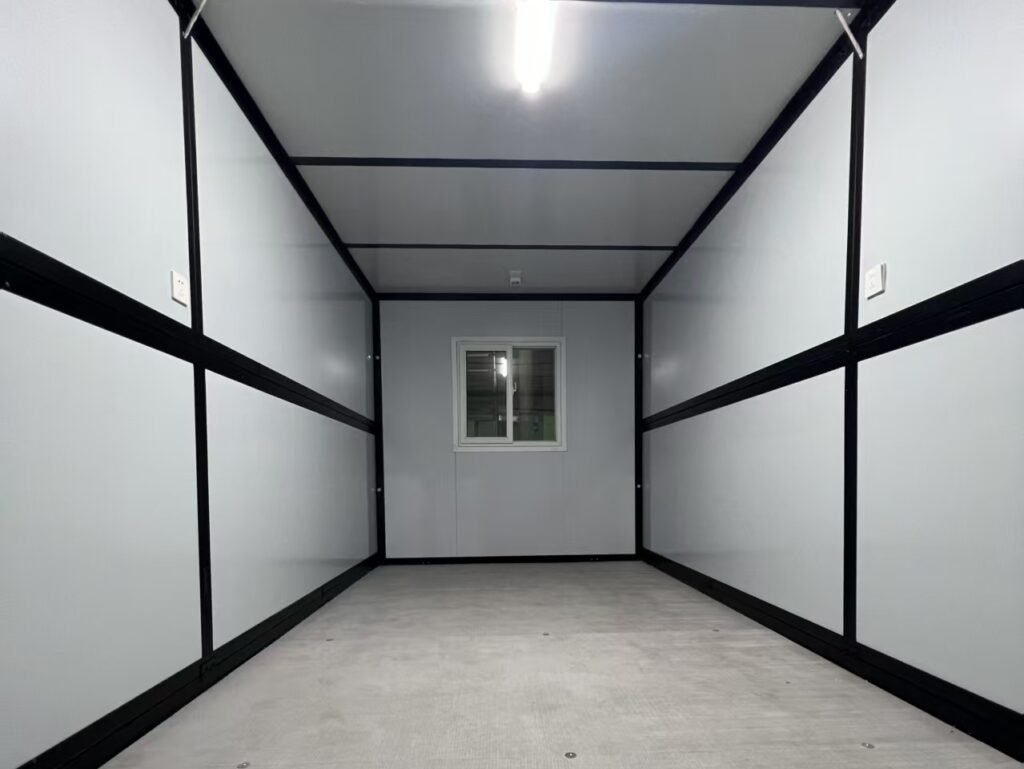
Worker Accommodation
Dormitory units designed for high-occupancy use, with integrated HVAC, storage, and durable interior finishes.
Site Offices
Modular office spaces for project management, engineering teams, and safety supervision.
Support Facilities
Dining halls, restrooms, showers, and laundry units built for continuous operation in remote environments.
Specialized Units
Medical rooms, security checkpoints, and equipment control spaces.
Layouts can also be configured to meet fire safety and ventilation requirements based on site regulations.
Cost Advantages That Directly Impact ROI
Container housing reduces total project cost through:
- Lower on-site labor requirements
- Reduced material waste
- Fewer delays caused by weather or logistics
- Asset reusability across multiple projects
Across mining projects globally, container-based camps typically reduce total costs by 20–40% compared to traditional construction when factoring labor, logistics, and time.
What to Prioritize When Sourcing Mining Camps
From project experience, four factors determine long-term performance:
Structural Strength
≥ 3.0mm galvanized steel frames with reinforced connections for repeated relocation.
Thermal Performance
75mm+ PU or rockwool insulation to handle extreme temperature conditions.
Transport Efficiency
Stackable or foldable structures to optimize container loading and reduce shipping cost.
Integrated Utilities
Pre-installed electrical and plumbing systems to reduce on-site installation time.
Common Failures in Mining Camp Procurement
Common issues seen in underperforming projects:
- Low-grade steel leading to deformation or corrosion
- Insufficient insulation for local climate
- Lack of lifting and handling planning
- No allowance for future expansion
These mistakes lead to downtime, increased maintenance, and higher lifecycle costs.
Why Expandable Container Houses Are Preferred
Expandable units are increasingly used in mining camps because they:
- Deliver more usable space per shipment
- Improve living conditions for long-term workforce
- Support relocation between project sites
For projects with a duration of 1–3 years, expandable systems provide the most balanced solution in terms of cost, comfort, and operational efficiency.
Conclusion
For mining operations, the choice of housing solution directly impacts cost, speed, and efficiency.
how to choose the right container house
Container housing provides:
- Faster deployment
- Lower total cost of ownership
- Reliable performance in extreme environments
- Flexible, scalable layouts
- Reusable infrastructure assets
For contractors and operators focused on execution and ROI, modular container housing is no longer an alternative—it is the practical standard.
Call to Action
Planning a mining camp project?
We support clients with:
- Camp layout and logistics planning
- Technical specifications for extreme environments
- Cost comparison and optimization analysis
Contact us to develop a solution tailored to your project requirements.