Introduction
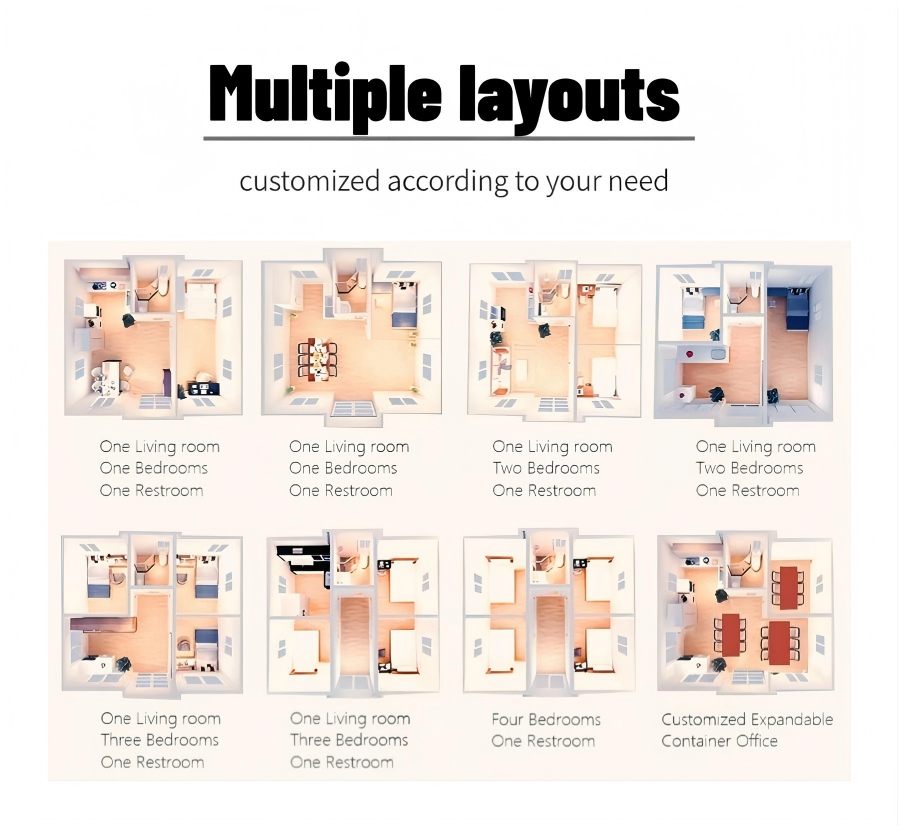
As modular housing becomes more popular, many buyers are no longer just asking about price or size—they are also interested in floor plans and interior layouts.
Expandable container houses offer a major advantage in this area. Thanks to their expandable structure, they provide more flexible and spacious layouts compared to traditional container homes.
In this guide, we explore common expandable container house floor plans and share practical design ideas for different applications.
What Is an Expandable Container House Floor Plan?
expandable container house size
A floor plan refers to the internal layout of a container house, including how space is divided into functional areas.
Because expandable container houses can unfold to increase interior width, they allow for:
- better room separation
- improved living comfort
- more efficient use of space
This makes them suitable for both temporary and long-term living.
Popular Expandable Container House Floor Plans
1. Studio Layout (Open Plan)
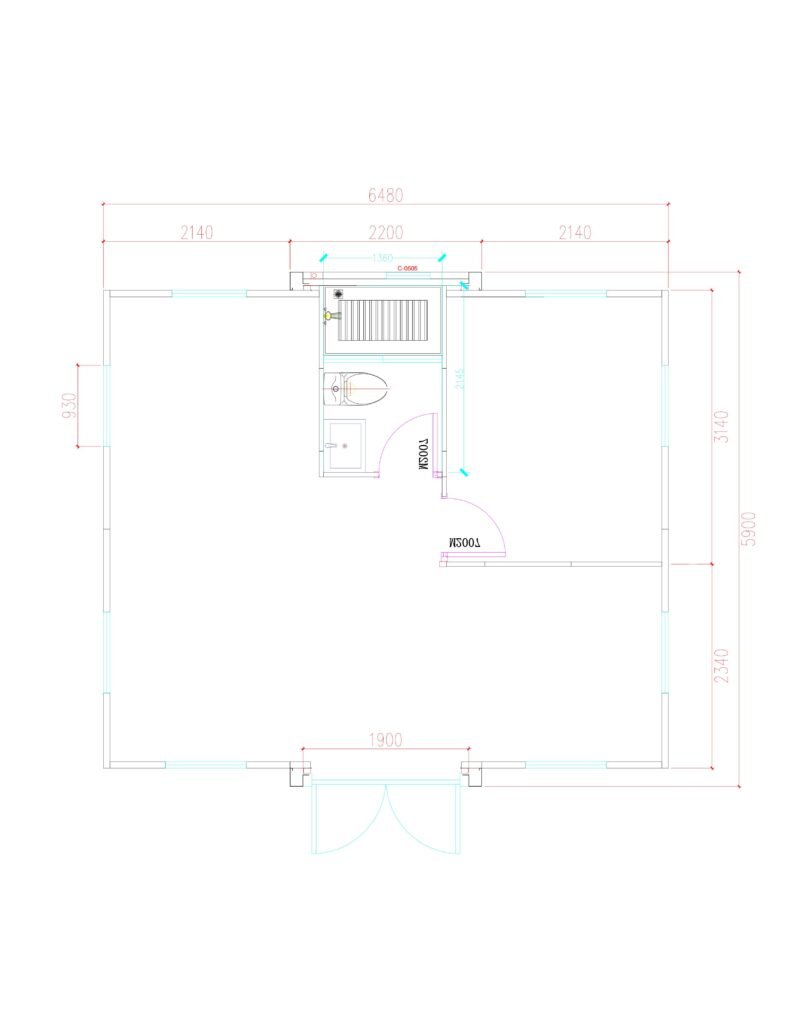
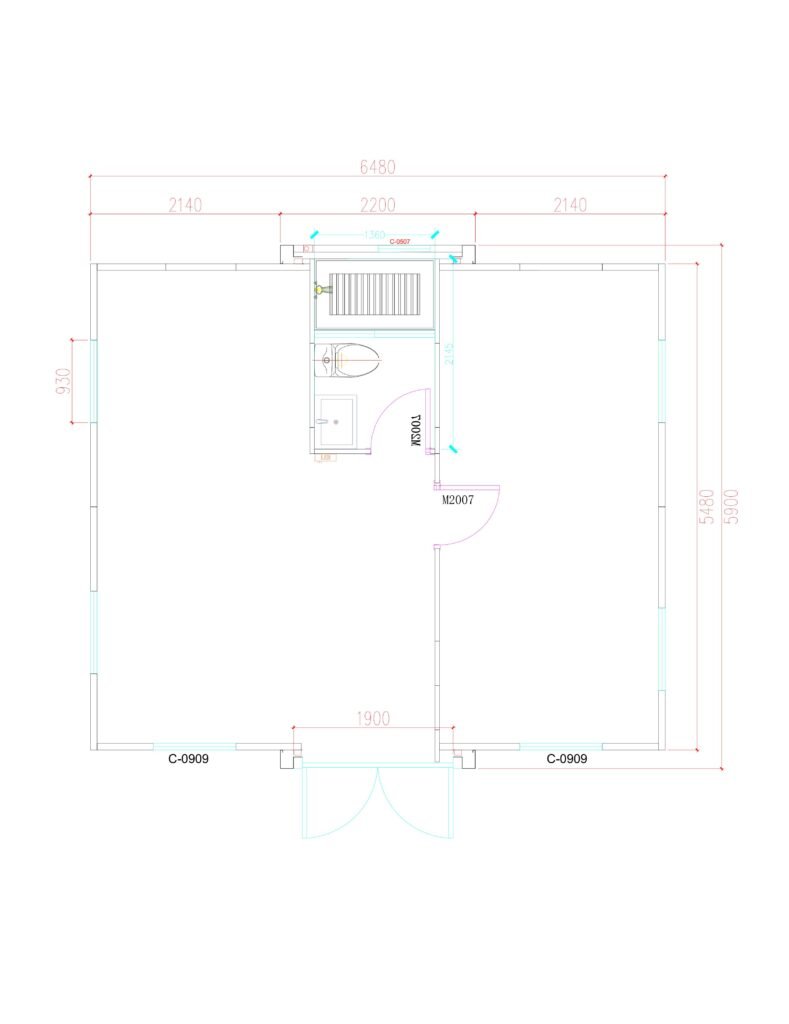
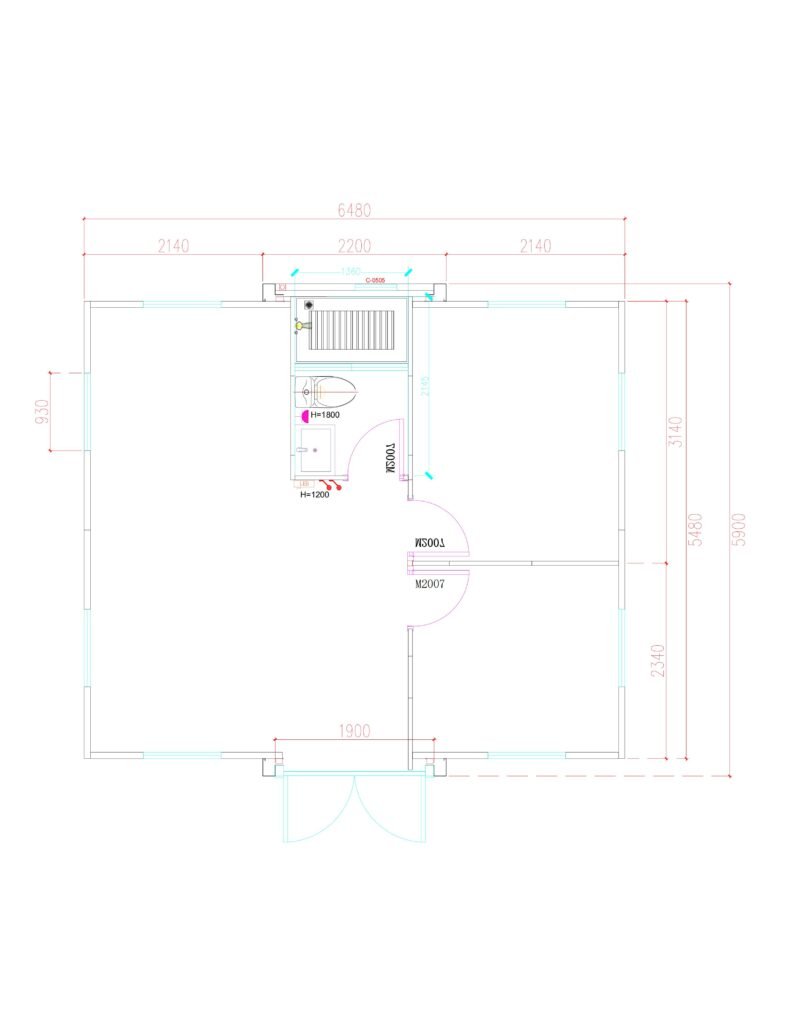
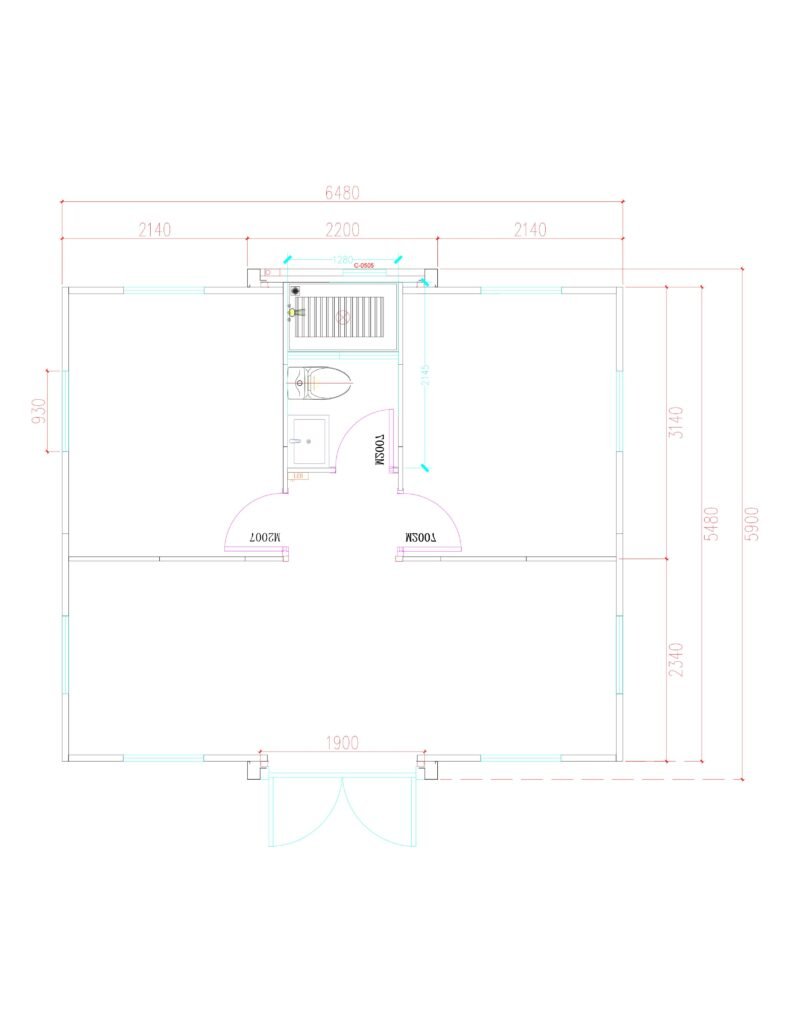
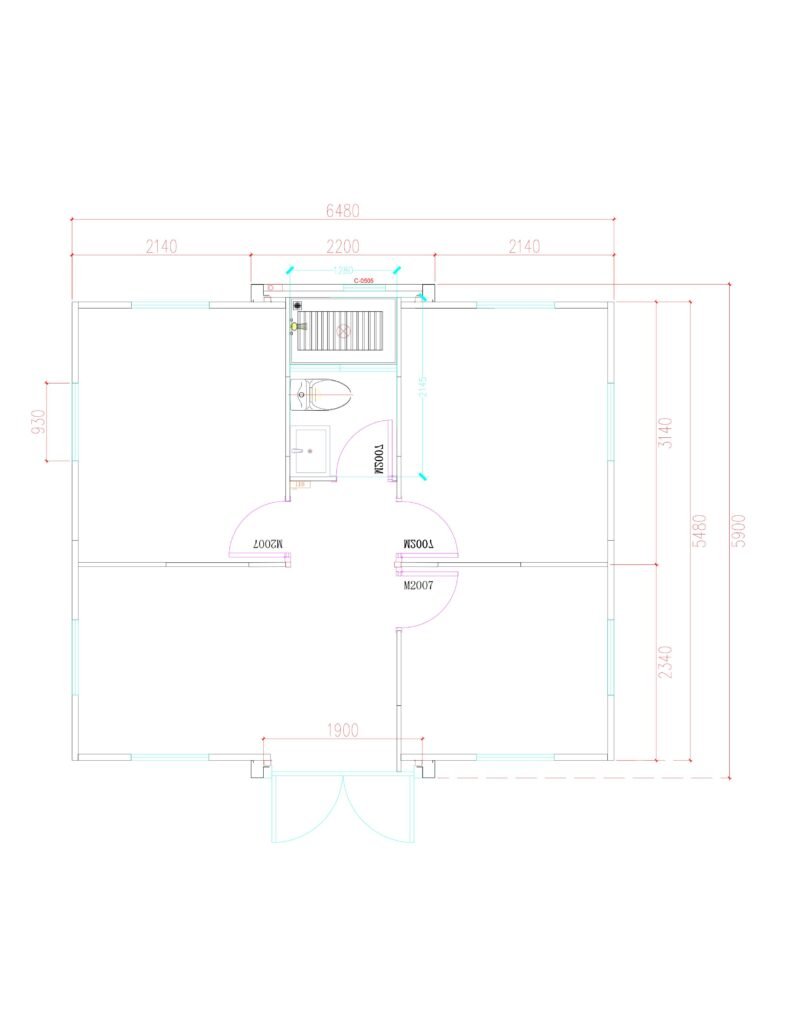
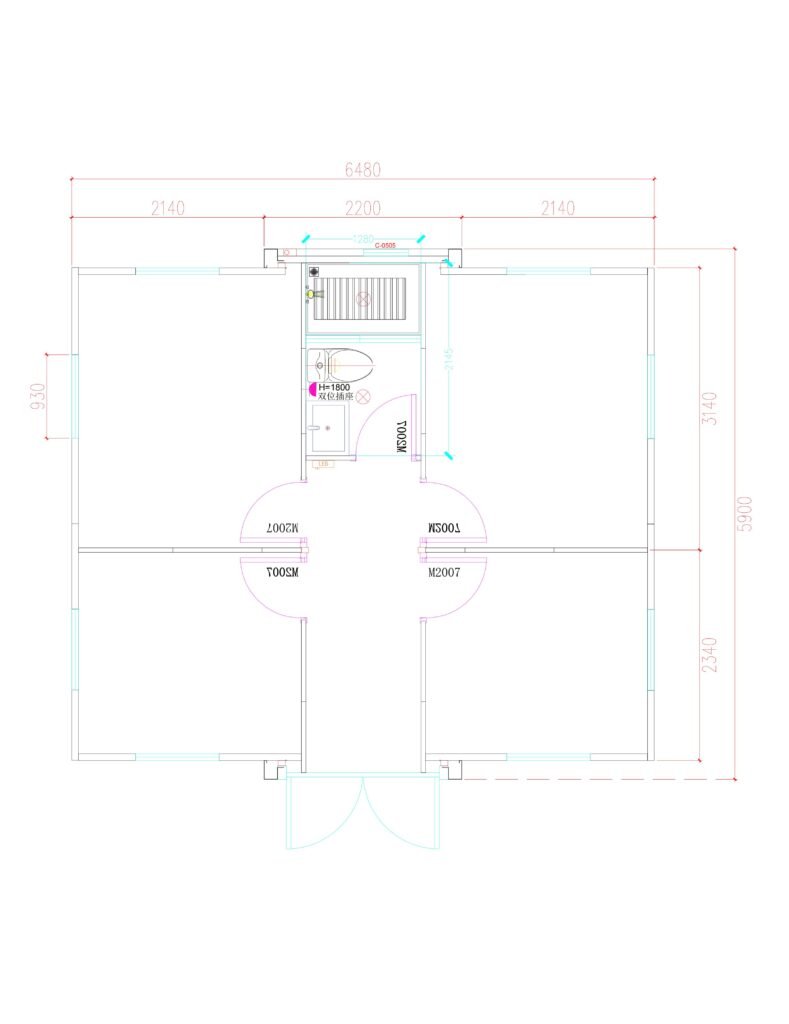
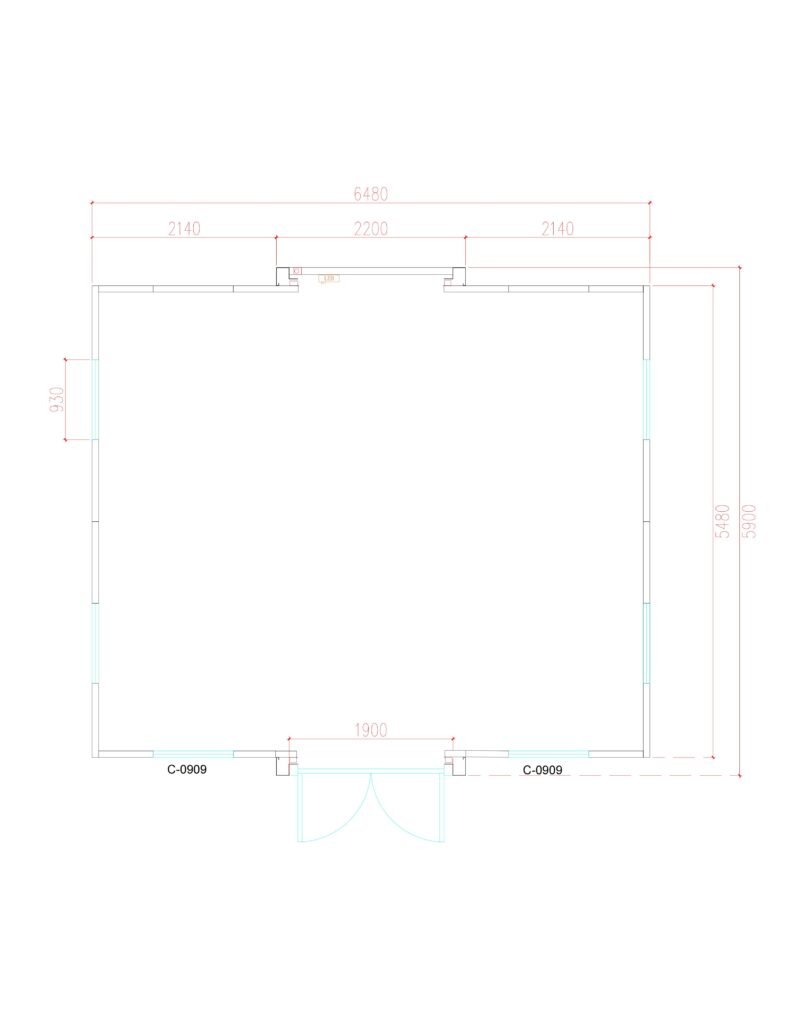
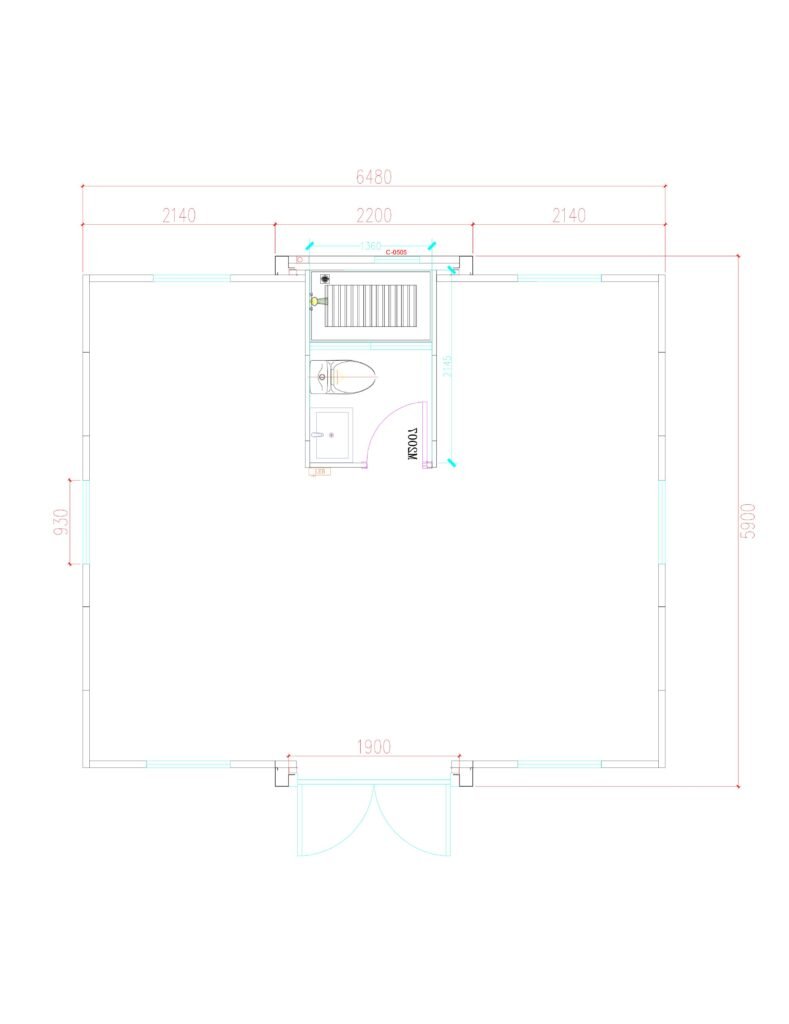
This is the simplest and most cost-effective design.
Typical features:
- open living space
- combined bedroom and living area
- compact bathroom
- optional kitchenette
This layout is ideal for:
- single occupants
- temporary housing
- site offices
2. One-Bedroom Layout
A one-bedroom design provides more privacy and functionality.
Typical layout includes:
- separate bedroom
- living room
- bathroom
- small kitchen area
This is one of the most popular choices for residential use.
3. Two-Bedroom Layout
Designed for families or shared accommodation.
Typical features:
- two bedrooms
- shared living space
- bathroom
- kitchen
Expandable container houses make this layout possible by increasing interior width after unfolding.
4. Office Layout
Expandable container houses are also widely used as modular offices.
Typical layout includes:
- open workspace
- meeting area
- manager office
- storage space
This design is ideal for construction sites or temporary business operations.
5. Dormitory Layout
For large-scale projects, container houses can be used as worker accommodation.
Typical layout:
- multiple beds
- shared bathroom
- storage areas
This layout maximizes occupancy while maintaining basic comfort.
Design Considerations for Floor Plans
When designing a container house layout, several factors should be considered.
Space Efficiency
Efficient use of space is essential in modular housing.
Expandable structures allow better layout planning compared to standard containers.
Functionality
The layout should match the intended use of the house.
For example:
- residential use requires privacy and comfort
- office use requires open space and flexibility
Plumbing and Electrical Systems
Bathrooms and kitchens require proper placement of:
- water supply
- drainage systems
- electrical wiring
Planning these systems early helps avoid installation issues.
Ventilation and Lighting
Good ventilation and natural lighting improve living comfort.
Designers should consider:
- window placement
- airflow
- sunlight exposure
Combining Multiple Units for Custom Layouts
One of the biggest advantages of modular construction is scalability.
Expandable container houses can be combined to create:
- larger homes
- office complexes
- modular apartments
- commercial spaces
By connecting multiple units, developers can design custom floor plans for larger projects.
Advantages of Expandable Floor Plans
Expandable container house layouts offer several advantages:
More usable space
Expansion increases interior width and comfort.
Flexible design options
Layouts can be customized based on needs.
Fast installation
Pre-designed layouts reduce on-site work.
Cost efficiency
Optimized design reduces material waste and labor costs.
expandable container house price
Conclusion
Expandable container house floor plans provide a flexible and practical solution for modern modular housing. With various layout options ranging from studio designs to multi-room configurations, these houses can meet different residential and commercial needs.
By carefully planning layout, utilities, and space usage, buyers can create comfortable and efficient living environments using expandable container homes.
As demand for modular housing grows, flexible floor plans will continue to play a key role in the development of modern container housing solutions.