Introduction
Many overseas buyers ask the same question before ordering: are container houses safe and durable enough for real projects?
The answer depends on product design, material quality, foundation, installation, climate, maintenance, local regulations, and how the unit will be used.
A well-designed container house can be used for accommodation, site offices, worker dormitories, mining camps, farm housing, temporary housing, portable toilets, showers, and remote project facilities. But buyers should not judge safety only by product photos or low prices.
This guide explains container house safety and durability from a practical B2B purchasing point of view.
What Makes a Container House Safe?
A container house is safe when the structure, materials, installation, foundation, utility connection, and maintenance are properly planned.
Buyers should review:
- steel frame structure
- wall panel type
- roof and floor system
- connection parts
- door and window quality
- waterproofing
- anti-rust treatment
- electrical system
- plumbing and drainage
- foundation method
- installation guidance
- local approval requirements
For overseas projects, safety is not only the supplier’s responsibility. The buyer also needs to check local building rules, site conditions, foundation design, utility connection, unloading, and installation work.
Structural Strength of Container Houses
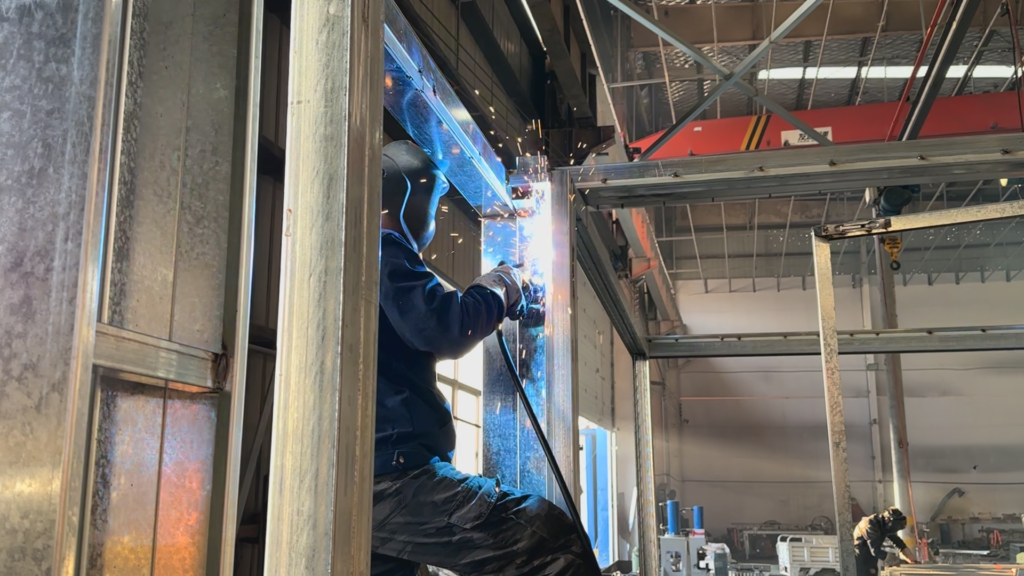
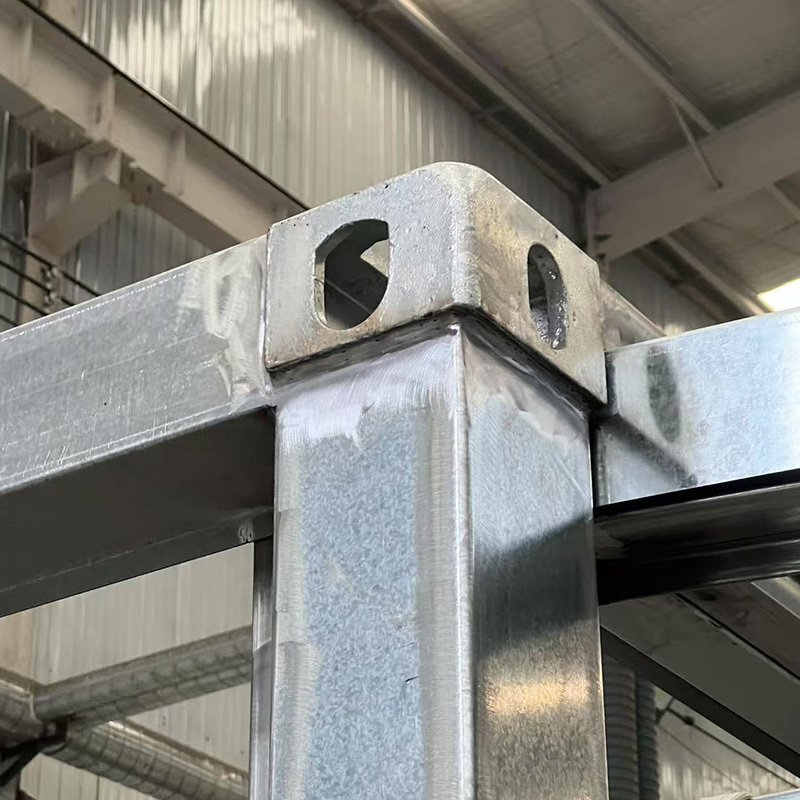
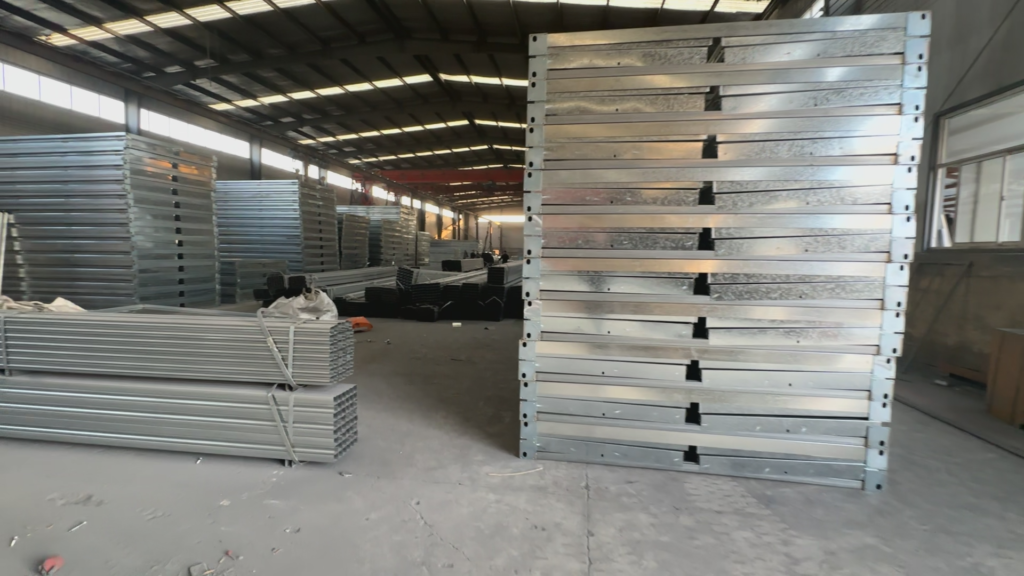
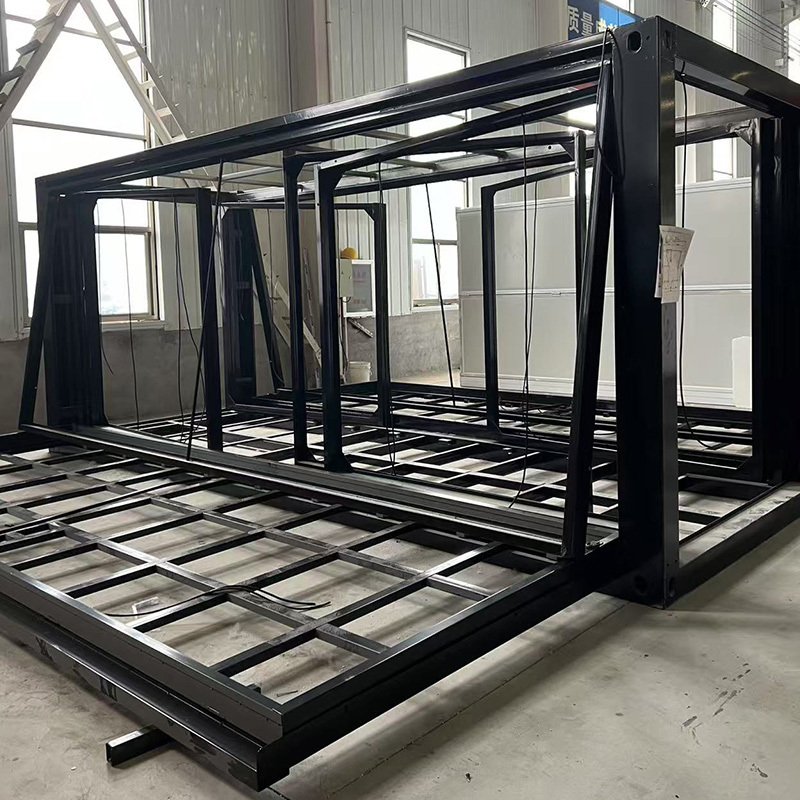
Container houses usually use steel-frame or modular-frame structures. The frame supports transportation, lifting, installation, and daily use.
However, not all container houses have the same structure. Two units may look similar in photos but differ in steel thickness, welding quality, connection parts, wall panel quality, roof design, floor structure, and anti-rust treatment.
Before ordering, buyers should ask the supplier for:
- structure drawings
- material specifications
- frame details
- wall panel information
- roof and floor details
- installation guidance
- photos or videos if available
For folding units, buyers can also review the folding container house structure because hinges, joints, locking points, and connection parts are important for long-term performance.
Foundation and Installation Affect Safety
Even a well-made container house can have problems if the foundation or installation is poor.
A stable foundation helps keep the unit level and reduces stress on doors, windows, wall panels, drainage, and structural connections.
Common foundation options may include:
- concrete slab
- concrete blocks
- strip foundation
- steel base frame
- other local engineer-approved foundation solutions
The right foundation depends on soil condition, climate, project duration, unit size, number of units, drainage, and local regulations.
Buyers should not place container houses directly on unstable ground. Poor foundation preparation may lead to uneven floors, door and window misalignment, water drainage problems, and reduced service life.
Weather Resistance Depends on Design and Site Conditions
Container houses can be used in different environments, but weather resistance depends on product configuration and site preparation.
Buyers should consider:
- wind exposure
- rain intensity
- snow load if applicable
- coastal humidity
- high temperature
- cold climate
- drainage condition
- foundation height
- roof sealing
- wall panel quality
- door and window sealing
It is not safe to say that every container house can automatically withstand all harsh weather conditions. For high-wind, coastal, snowy, humid, or extreme-temperature areas, buyers should share local conditions before production.
The supplier can then review whether the structure, wall panels, roof, anchoring, insulation, and sealing need special attention.
Waterproofing and Drainage
Waterproofing is one of the most important parts of container house durability.
Buyers should pay attention to:
- roof sealing
- wall joint sealing
- door and window sealing
- bathroom waterproofing
- drainage outlet
- floor protection
- roof slope if applicable
- site drainage
- maintenance access
Water problems often come from poor installation, weak sealing, blocked drainage, improper foundation, or wet-area planning errors.
If the unit includes a bathroom, toilet, shower, or kitchen, waterproofing and drainage should be confirmed before production.
Rust Protection and Corrosion Resistance
Container houses usually include steel components, so anti-rust protection matters.
Corrosion risk depends on:
- steel treatment
- paint or coating quality
- climate
- coastal exposure
- humidity
- rainwater drainage
- scratches during transportation
- maintenance frequency
Some projects may require better anti-rust treatment, especially coastal areas, humid climates, rainy regions, or long-term outdoor use.
Buyers should not only ask whether the unit is “rust-proof.” They should ask about steel treatment, coating, exposed metal parts, maintenance requirements, and how to repair scratches or damaged coating after transport and installation.
Fire Safety Considerations
Fire safety depends on material selection, electrical work, layout, local codes, and how the unit is used.
Depending on configuration, some container houses may use rock wool panels, fire-rated sandwich panels, or other fire-resistant materials. But buyers should confirm the actual panel type before ordering.
Important fire safety checks include:
- wall panel material
- insulation material
- electrical cable quality
- socket and lighting layout
- circuit protection
- kitchen area planning
- ventilation
- local fire requirements
- safe use by occupants
The supplier can provide product specifications, but final fire approval usually depends on local regulations and local professionals.
Electrical and Plumbing Safety
Electrical and plumbing systems are important for safe long-term use.
Before production, buyers should confirm:
- voltage and electrical standard
- socket positions
- lighting positions
- air-conditioning position
- circuit protection requirements
- bathroom wiring safety
- water inlet
- drainage outlet
- toilet and shower connection
- kitchen sink connection
- local utility connection responsibility
For overseas projects, local electrical and plumbing work may need to be handled by qualified local contractors.
The supplier can prepare routes and basic systems according to the order, but local connection and approval should follow local requirements.
Are Expandable Container Houses Safe?
Expandable container houses can be safe when the frame, folding or expanding mechanism, wall panels, foundation, installation, and locking system are properly designed and used.
Buyers should confirm:
- unfolding direction
- locking points
- wall panel connection
- roof sealing
- floor connection
- foundation condition
- site clearance
- bathroom and kitchen position
- installation guidance
Because expandable units open from a compact transport form, the buyer should make sure the site has enough clearance and that the unit can be properly positioned and fixed after opening.
For buyers comparing layout options, expandable container house floor plans should be reviewed together with structure, utility routes, and site conditions.
Are Folding Container Houses Safe?
Folding container houses can be safe when the structure, hinges, joints, locking points, frame, wall panels, installation, and foundation are properly specified.
Buyers should pay special attention to:
- hinge quality
- joint strength
- locking system
- base frame
- wall panel configuration
- roof and floor connection
- lifting and unfolding method
- installation steps
- maintenance after repeated use
Folding units are often used for temporary accommodation, worker dormitories, site offices, camps, and remote project facilities.
For buyers concerned about long-term performance, the article on how long folding houses last can help review durability and maintenance factors.
Lifespan of Container Houses
As a general reference, many container houses can be used for around 10–20 years under normal use and maintenance conditions. With better materials, proper anti-rust treatment, suitable installation, good waterproofing, and regular maintenance, some higher-quality units may last 20 years or longer.
However, buyers should not treat lifespan as a fixed guarantee.
Actual service life depends on:
- material quality
- steel treatment
- wall panels
- climate
- humidity
- coastal exposure
- roof and wall sealing
- foundation condition
- installation quality
- maintenance
- how frequently the unit is moved
- how heavily the unit is used
For long-term use, buyers should follow a container house maintenance guide and inspect sealing, drainage, coating, wet areas, doors, windows, and electrical systems regularly.
Maintenance Is Part of Durability
Durability does not come only from factory production. Maintenance also matters.
Buyers should regularly check:
- roof condition
- wall joints
- door and window sealing
- drainage
- rust spots
- damaged coating
- bathroom waterproofing
- floor condition
- electrical safety
- plumbing leaks
- foundation stability
- ventilation
For camps, rental units, worker accommodation, and remote projects, maintenance records are useful because multiple users may use the same unit over time.
If the unit is moved from one site to another, inspection should be done before and after relocation.
Local Regulations and Safety Approval
Container houses may be accepted in some markets but restricted in others.
Before ordering, buyers should check local requirements for:
- zoning
- building permit
- temporary structure approval
- fire safety
- electrical standards
- plumbing standards
- wind requirements
- snow load if applicable
- foundation design
- occupancy approval
The supplier can provide drawings, specifications, product information, and export support, but local approval is usually handled by the buyer, local engineer, architect, contractor, or authority.
This is especially important for residential, rental, commercial, school, camp, or public-use projects.
Common Safety Mistakes Buyers Should Avoid
Many safety problems come from poor planning rather than the container house itself.
Common mistakes include:
- choosing only by lowest price
- not checking structure drawings
- not confirming wall panel type
- ignoring foundation requirements
- placing the unit on unstable ground
- not checking local regulations
- ignoring wind or climate conditions
- changing bathroom or kitchen layout after production
- not preparing drainage
- using unqualified local electrical work
- ignoring anti-rust maintenance
- assuming all container houses are the same
These are similar to common mistakes when buying container houses from China. Buyers should confirm drawings, specifications, material details, packing information, installation requirements, and trade terms before placing an order.
What Buyers Should Confirm Before Ordering
Before requesting a quotation, buyers should prepare:
- intended use
- project country or destination port
- required size
- estimated quantity
- number of users
- product type: expandable, folding, modular, flat pack, or toilet/shower unit
- bathroom, kitchen, office, dormitory, toilet, or shower needs
- wall panel and insulation requirements
- local climate conditions
- expected project duration
- EXW or FOB trade term
- whether a shipping agent is arranged
- site access and unloading conditions
- foundation and utility connection plan
- local approval requirements if known
This information helps the supplier recommend a safer and more suitable configuration.
Conclusion
Container houses can be safe and durable when the structure, materials, foundation, installation, waterproofing, anti-rust treatment, electrical work, plumbing, local approval, and maintenance are properly managed.
They should not be judged only by product photos, simple online prices, or general claims such as “strong” or “long-lasting.”
For overseas B2B buyers, the safest approach is to confirm drawings, specifications, configuration, installation conditions, foundation, utility connection, local regulations, and maintenance requirements before placing an order.
A container house is not automatically suitable for every site, but it can be a practical and reliable building solution when the product configuration matches the real project conditions.
Need Help Checking Container House Safety and Durability?
If you are planning a container house project, Sinopala can help review your basic requirements before quotation.
To recommend a suitable option, please share:
- intended use
- project country or destination port
- required size
- estimated quantity
- number of users
- product type if known
- bathroom, kitchen, office, dormitory, toilet, or shower requirements
- wall panel and insulation requirements
- local climate conditions
- preferred trade term: EXW or FOB
- whether you already have a shipping agent
- site access and unloading conditions
- foundation and utility connection plan
Contact Sinopala:
WhatsApp: +86 150 1103 0786
Email: info@sinopala.com
Website: www.sinopala.com