Introduction
Folding houses are becoming a practical option for buyers who need flexible, transportable, and factory-prepared building units.
They are commonly used for worker accommodation, site offices, temporary housing, student dormitories, farm support rooms, emergency support units, and modular project camps.
For overseas buyers, the value of a folding house is not only its compact folded form. The real value comes from factory production, easier batch transportation, faster site organization under prepared conditions, and flexible use across different project stages.
This article gives a practical introduction to folding houses and explains why they are becoming part of modern modular building solutions.
What Is a Folding House?
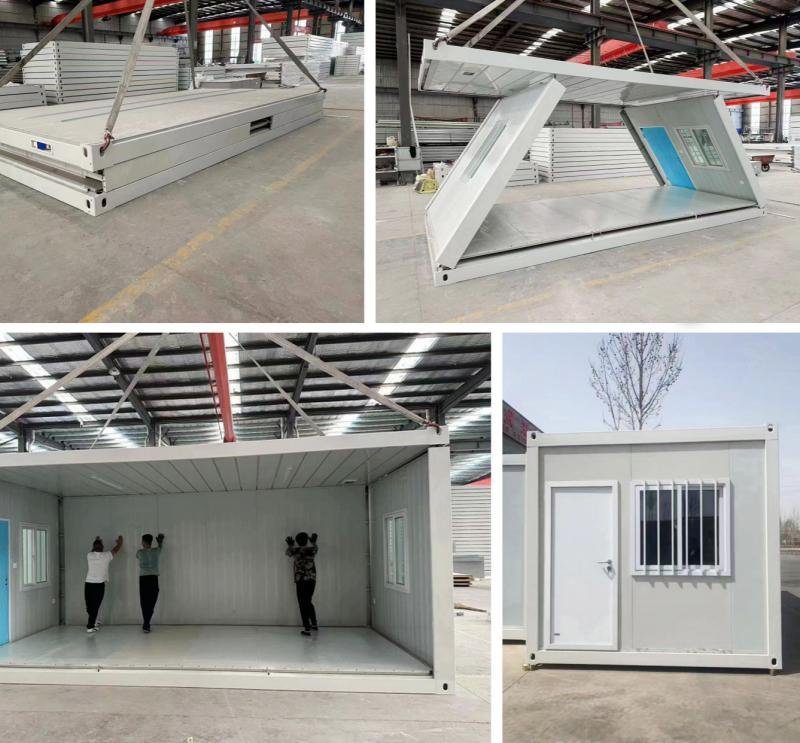
A folding house is a prefabricated modular building that can be folded into a compact shape for transportation and unfolded on site for use.
The main structure is usually produced in a factory, including the steel frame, wall panels, roof, floor, doors, windows, and basic internal preparation. Depending on the project, the unit can also include toilets, showers, small kitchens, electrical systems, lighting, air-conditioning preparation, or internal partitions.
Compared with fully site-built temporary buildings, folding houses reduce the amount of on-site construction work. However, they still require proper unloading, positioning, fixing, sealing, foundation preparation, and utility connection according to the project condition.
If you need a more detailed product explanation, you can read our guide on what a folding house is.
Why Folding Houses Are Becoming More Popular
The demand for flexible buildings is increasing in many industries. Construction companies, mining projects, farms, schools, emergency support teams, and temporary facility operators often need buildings that can be delivered, installed, relocated, or expanded according to project needs.
Folding houses fit this demand because they are factory-prepared and designed for compact transport.
For project buyers, this can make planning easier in several situations:
- When many accommodation units are needed in a short project period.
- When the project site is temporary or may change later.
- When local construction resources are limited.
- When transport volume needs to be controlled.
- When buyers need a repeatable layout for dormitories, offices, toilets, showers, or camp support units.
Folding houses are not a replacement for every type of building. They are more suitable for temporary, semi-permanent, project-based, and modular-use scenarios.
Flexible Use for Modern Projects
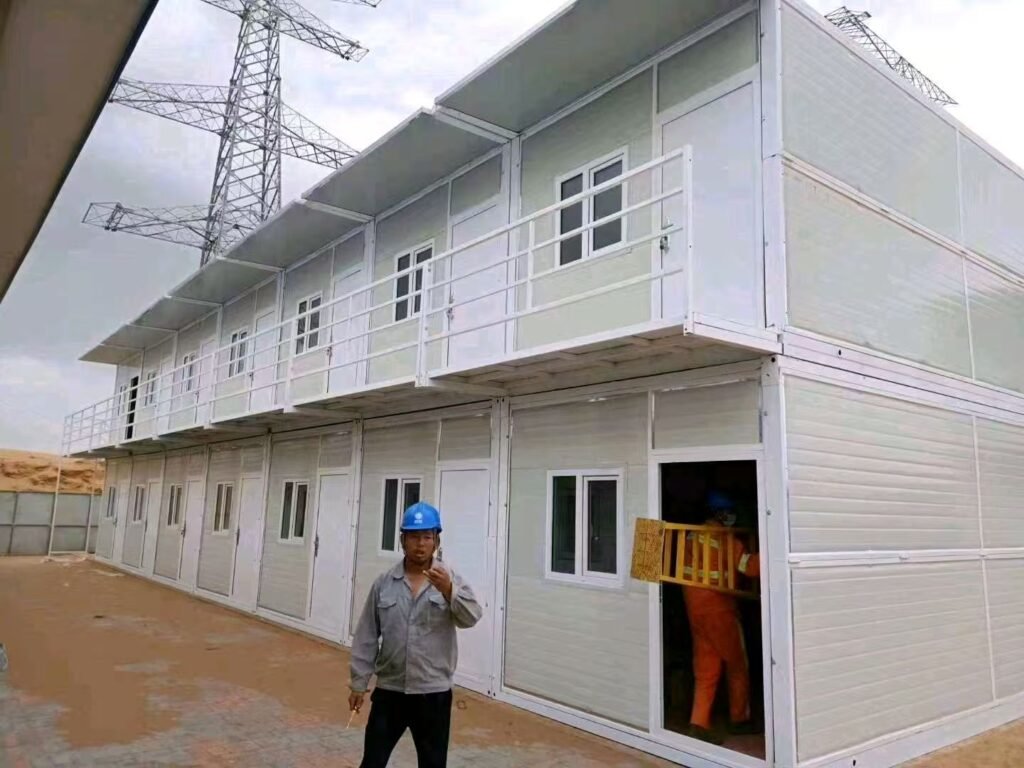
Modern building demand is not only about permanent houses. Many buyers need flexible units for work, accommodation, management, storage, or emergency support.
Folding houses can be used in different project scenarios, including:
Worker accommodation for construction and infrastructure projects.
Dormitories for schools, training centers, and temporary campuses.
Site offices for project management teams.
Farm housing and seasonal worker rooms.
Emergency support units after storms, floods, earthquakes, or other urgent situations.
Temporary rooms for remote areas, mining support, or industrial sites.
Toilet, shower, kitchen, or mixed support units for project camps.
The final layout depends on the buyer’s requirements. A basic unit, a dormitory unit, an office unit, and a unit with bathroom or shower functions should not be treated as the same configuration.
Folding Houses and Modular Construction
Folding houses are part of the wider modular construction trend.
Instead of building everything on site, more work is completed in the factory before shipment. This can help improve production control, reduce some site complexity, and make repeated project planning easier.
For overseas projects, modular thinking is especially important. Buyers need to consider not only the unit itself, but also packing size, loading quantity, destination port, local unloading equipment, site access, foundation, installation labor, and local utility connection.
A folding house may look simple from the outside, but a successful project still depends on detailed planning before production and shipment.
For buyers comparing different product types, folding houses are often compared with expandable container houses, flat pack houses, and modular container houses.
Folding House vs Traditional Temporary Buildings
Traditional temporary buildings often require more local materials, more local labor, and more on-site construction management.
Folding houses are different because they are mostly prepared before shipment. This makes them useful when the buyer wants a more standardized and repeatable building solution.
However, buyers should also understand the limitations.
A folding house still needs a suitable foundation or support base.
- It still needs proper unloading equipment.
- It still needs local installation work.
- It still needs electrical, plumbing, drainage, and air-conditioning connection if those functions are required.
- It still needs to comply with local regulations and project requirements.
So the comparison should not be “folding house is always better.” A more accurate comparison is whether the project needs a factory-prepared, compact, and flexible building unit instead of a fully local construction solution.
What Overseas Buyers Should Understand First
Before asking for a price, overseas buyers should first clarify the project conditions.
The most important questions include:
How many units are needed?
What is the intended use?
Is the unit for accommodation, office, toilet, shower, kitchen, dormitory, or basic empty space?
What size and layout are required?
Is insulation important for the local climate?
What electrical standard is needed?
Does the project need plumbing and drainage?
What is the destination port?
Does the buyer need EXW or FOB quotation?
Does the buyer already have a shipping agent?
Is the site ready for unloading, foundation, installation, and utility connection?
Without this information, a supplier can only give a general reference price. A practical quotation should be based on project use, configuration, quantity, and delivery requirements.
Shipping and Trade Terms Matter
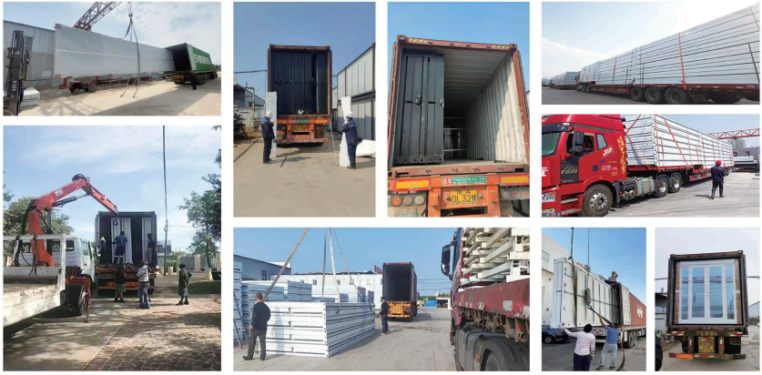
One reason folding houses are attractive for overseas projects is their compact transport form.
When folded, multiple units can usually be arranged for container loading or truck delivery according to the actual folded size and loading plan. The loading method should be confirmed before order, especially for bulk projects.
For Sinopala orders, the main trade terms are EXW and FOB.
This means buyers should understand that ocean freight, customs clearance, destination port charges, inland delivery, unloading, foundation, local installation, and utility connection are usually arranged by the buyer or the buyer’s shipping agent and local team unless separately confirmed in writing.
For many overseas buyers, the unit price is only one part of the project cost. The full project budget should also include transportation, port handling, local logistics, site work, and installation preparation.
You can also read our container house shipping guide for more practical shipping and loading planning.
Suitable Projects for Folding Houses
Folding houses are especially suitable for buyers who need practical modular units instead of luxury residential buildings.
Common suitable projects include:
Construction site accommodation.
Mining and energy project camps.
Temporary offices.
Student dormitories.
Farm support housing.
Emergency support facilities.
Remote area accommodation.
Toilet and shower support units.
Short-term or medium-term project camps.
They can also be used in some residential-style applications, but buyers should check local regulations, insulation needs, foundation requirements, utility connection, and long-term maintenance before making a decision.
Key Benefits Without Overstatement
The benefits of folding houses should be understood in a practical way.
- They can help reduce transport volume compared with some larger prefabricated building systems.
- They can support batch delivery for project use.
- They can reduce part of the on-site construction work because many components are prepared in the factory.
- They can be configured for different uses, such as dormitory, office, toilet, shower, or camp support unit.
- They can be relocated or reused in some project scenarios if the structure, installation, and handling process are properly managed.
However, these benefits depend on configuration, production quality, installation method, site condition, local climate, and maintenance.
A responsible buyer should compare the total project plan, not only the product photo or unit price.
The Future of Folding Houses
Folding houses will continue to be used in flexible building projects because many industries need faster, more transportable, and more adaptable space solutions.
The future of folding houses is not only about appearance. It is more about better structure design, more practical layouts, improved insulation options, clearer installation guidance, safer electrical and plumbing systems, and more reliable project planning.
For buyers, the most important direction is not chasing the most futuristic design. It is choosing a supplier who can explain configuration, packing, loading, trade terms, installation requirements, and after-sales support clearly before production.
That is why folding houses are becoming a practical part of modern modular building, especially for project-based accommodation, temporary offices, and overseas camp solutions.
Conclusion
Folding houses offer a flexible modular building option for buyers who need compact transport, factory-prepared units, and practical project use.
They are not magic houses, and they are not suitable for every building requirement. But when the project needs worker accommodation, site offices, dormitories, farm support rooms, temporary camps, or emergency support units, folding houses can be a useful solution.
Before ordering, buyers should confirm quantity, intended use, size, layout, configuration, destination port, EXW or FOB term, shipping agent status, and site installation conditions.
Sinopala can help check the suitable folding house configuration, loading plan, and quotation based on your project details.
Contact Sinopala:
WhatsApp: +86 150 1103 0786
Email: info@sinopala.com
Website: www.sinopala.com