Introduction
When buying container houses from China, one common question is whether to work with a direct container house supplier or a trading company.
Both options can work in different situations. However, the choice can affect price, product quality, customization, production control, communication efficiency, shipping preparation, and after-sales support.
This guide compares container house suppliers and trading companies from a practical buyer’s perspective, so you can choose the right sourcing option based on your project size, budget, customization needs, and risk tolerance.
What Is a Container House Supplier?
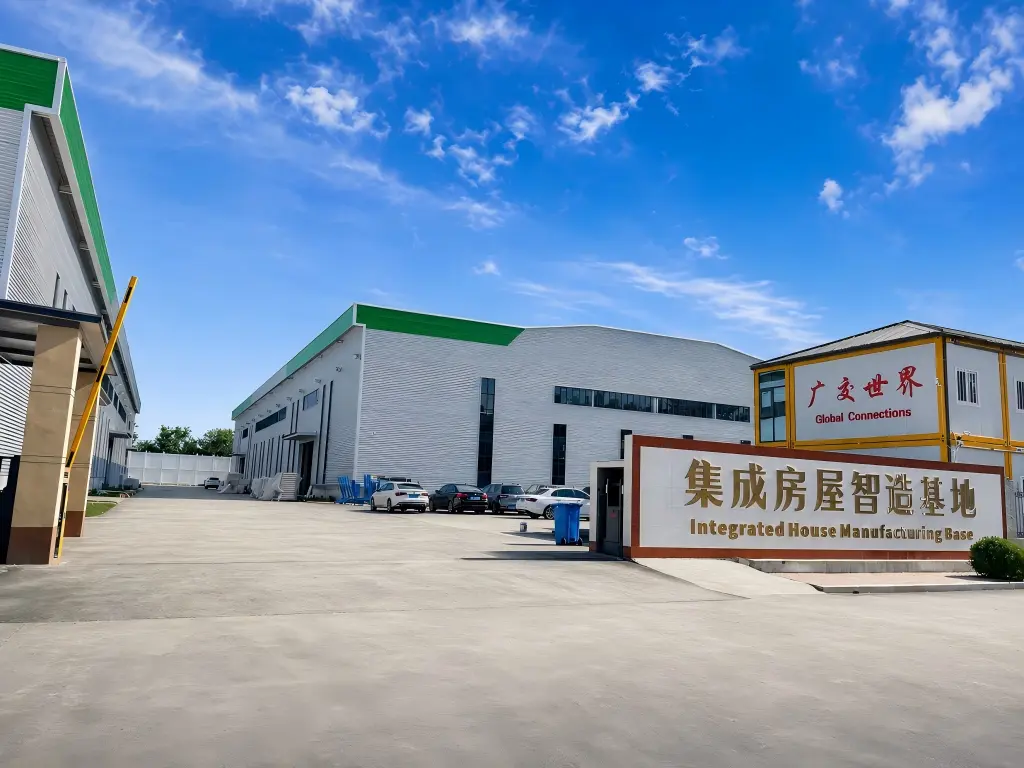
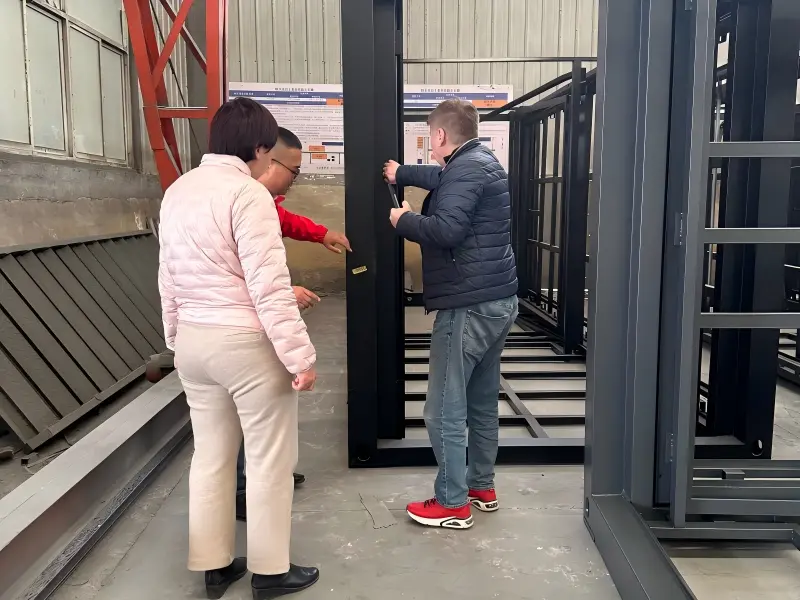
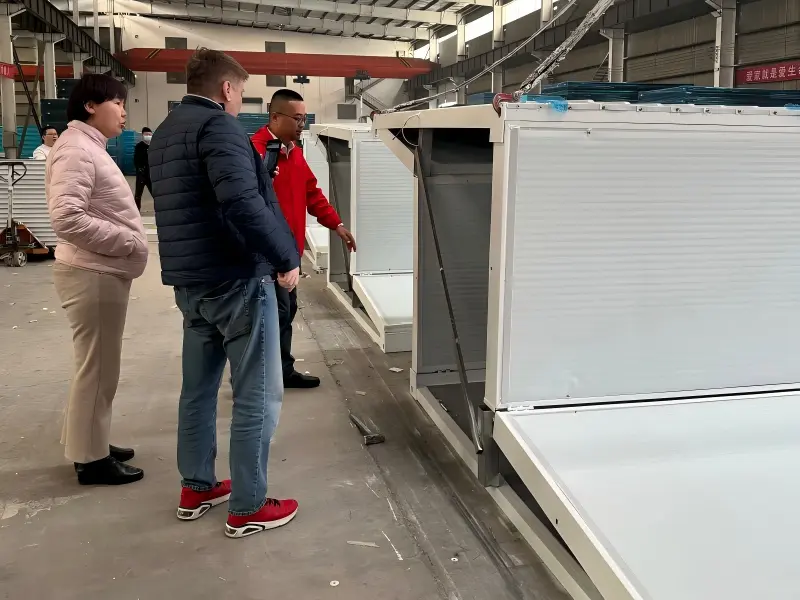
A container house supplier is usually a direct manufacturer that produces container houses in its own factory or workshop.
A direct supplier usually controls:
- production process
- material selection
- wall panel and steel structure details
- layout customization
- quality inspection
- packing and loading
- technical support
Working directly with a supplier can give buyers more control over product specifications, especially for customized or bulk container house projects.
If you are still learning how to compare suppliers, you can also read our guide on choosing a container house supplier in China before placing an order.
What Is a Trading Company?
A trading company usually does not produce container houses directly. Instead, it sources products from one or more factories and resells them to overseas buyers.
A trading company may help with:
- communication
- product sourcing
- order coordination
- export documents
- multiple product categories
Trading companies can be useful for small orders or buyers who need different product types from different factories. However, buyers should confirm who actually produces the container house and who is responsible for quality control, production updates, and after-sales support.
Container House Supplier vs Trading Company: Key Differences
The main difference is production control.
A direct supplier usually has stronger control over materials, production schedule, inspection, and loading. A trading company may offer easier communication, but it usually depends on third-party factories for production.
Price Difference
A direct supplier may offer better pricing for bulk orders because there is no additional middleman layer. However, price should not be judged by unit cost only.
Buyers should compare:
- material specifications
- wall panel thickness
- standard configuration
- optional upgrades
- packing and loading plan
- EXW or FOB quotation terms
- installation support
- after-sales communication
A trading company may quote competitively in some cases, but the buyer should check whether the configuration and material specifications are clearly listed.
Quality Control Difference
For container houses, quality control is very important because structure, wall panels, waterproof treatment, electrical system, doors, windows, and packing all affect long-term use.
A direct supplier usually has better control over:
- steel frame production
- wall panel selection
- welding and assembly
- inspection before shipment
- packing and loading details
A trading company may need to rely on the factory’s production process. If the trading company does not monitor production carefully, buyers may face higher quality risk.
Customization Difference
If your project requires custom layouts, bathroom position, kitchen area, door and window changes, wall panel options, or electrical requirements, a direct supplier is usually easier to work with.
A direct manufacturer can usually discuss drawings, production limits, loading requirements, and material options more clearly.
A trading company may still support customization, but the communication usually goes through another layer. This may increase the chance of misunderstanding.
Communication Difference
Trading companies may sometimes respond faster because they focus on sales and communication. This can be helpful for buyers who do not have technical experience.
However, for technical questions, a direct supplier may provide more accurate answers because they understand production details directly.
Buyers should not only judge suppliers by reply speed. They should also check whether the supplier can explain materials, drawings, loading plans, installation support, and EXW/FOB terms clearly.
Shipping and Loading Support
For overseas buyers, shipping is not only about freight cost. Packing size, loading quantity, container type, destination port, and quotation terms all affect the total project cost.
A reliable supplier should provide:
- packing details
- loading photos or loading plan
- container loading quantity
- FOB port information if needed
- EXW or FOB quotation terms
- supporting information for the buyer’s shipping agent
If you want to understand freight planning, read our container house shipping guide before arranging shipment.
When Should You Choose a Direct Supplier?
A direct container house supplier is usually more suitable when:
- you need customized container houses
- you are buying in bulk
- you need stable long-term supply
- you care about material specifications
- you need layout or drawing support
- you need clear packing and loading information
- you want stronger production control
For project camps, rental units, construction site accommodation, dealer cooperation, or long-term container house business, direct supplier cooperation is usually the safer option.
When May a Trading Company Be Suitable?
A trading company may be suitable when:
- your order quantity is very small
- you do not need customization
- you need several different product categories
- you prefer simple communication
- you are still testing the market
However, even when working with a trading company, buyers should still verify the real factory, material specifications, loading plan, quotation terms, and after-sales responsibility.
Common Risks to Avoid
When comparing a container house supplier vs trading company, avoid these mistakes:
- choosing only by the lowest price
- not confirming who produces the house
- not checking wall panel thickness
- not confirming steel structure details
- not asking for production photos or videos
- not checking packing and loading details
- not confirming EXW or FOB terms
- not clarifying after-sales responsibility
Before placing an order, you can also review the top mistakes when buying container houses from China to reduce sourcing risk.
How Sinopala Helps Buyers Compare Options
Before preparing a quotation, Sinopala usually confirms the product type, required size, quantity, layout, wall panel requirements, bathroom or kitchen configuration, electrical system, destination port, packing method, and EXW/FOB quotation term.
This helps overseas buyers compare suppliers more clearly and avoid misunderstandings about configuration, shipping responsibility, and total project cost.
Conclusion
There is no single answer for every buyer. A trading company can be convenient for small or simple orders, while a direct container house supplier usually gives buyers more control over product quality, customization, production details, and long-term project support.
For serious projects, bulk orders, customized layouts, dealer cooperation, or project camps, working directly with a manufacturer is usually more practical because container houses are technical products, not simple catalog items.
The best choice depends on your project size, required configuration, budget, shipping plan, and need for production control.
Get a Container House Quotation
If you are comparing container house suppliers and trading companies, please send us your basic project information first:
product type: expandable container house, folding container house, modular container house, or container house toilet
required size: 10ft / 20ft / 30ft / 40ft if applicable
quantity
layout or configuration requirements
bathroom or kitchen requirements
destination port
quotation term: EXW or FOB
Sinopala can help check the suitable product type, layout option, loading plan, and EXW / FOB quotation based on your project details.
WhatsApp: +8615011030786
Email: info@sinopala.com
Website: www.sinopala.com