Introduction
Choosing the right container house supplier in China is one of the most important decisions for overseas buyers. After confirming product type, size, configuration, price, and shipping terms, the supplier’s real production ability will directly affect quality, delivery time, and project risk.
Many suppliers on B2B platforms look similar. They may use similar product photos, descriptions, and promises. However, the real difference often appears during production, inspection, loading, shipping, and after-sales communication.
This guide explains how to compare a real factory and a trading company, how to verify supplier capability, and what overseas buyers should check before placing an order.
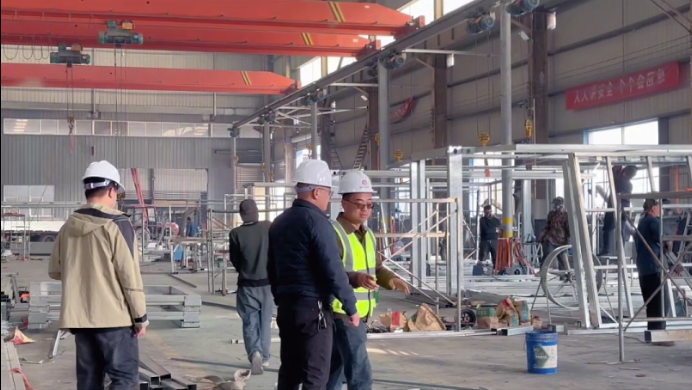
Container House Supplier in China: Factory vs Trading Company
Factory: Direct Manufacturer
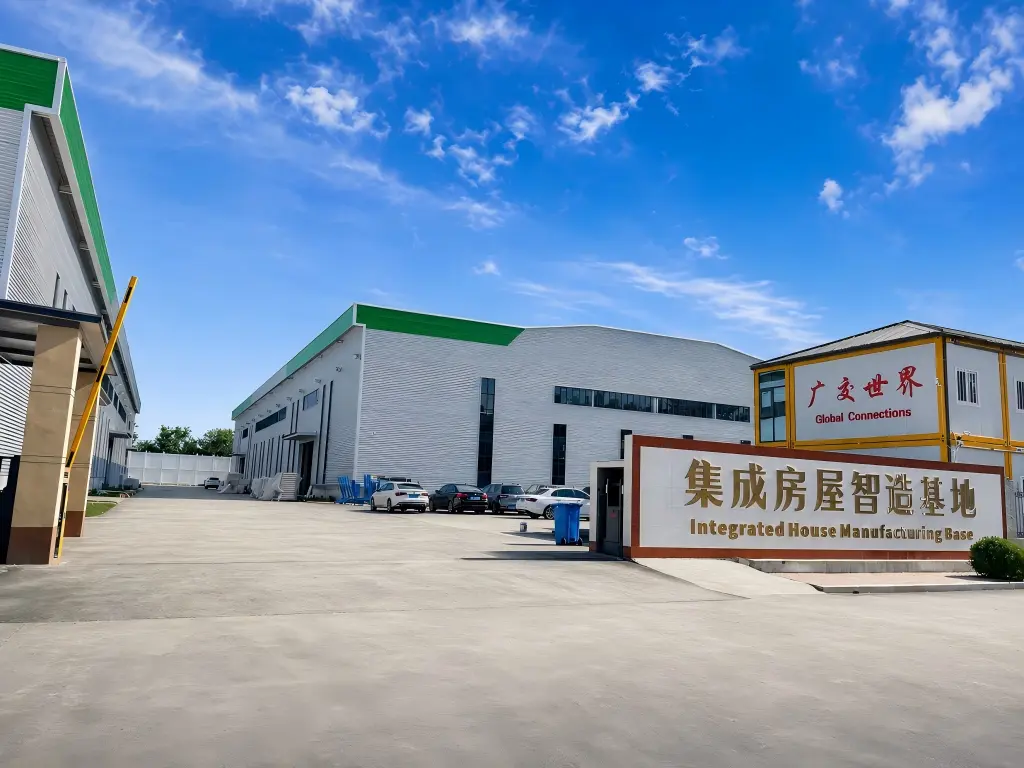
A factory produces container houses in its own workshop and usually has better control over materials, production schedule, customization, inspection, and loading.
What this usually means:
direct production control
clearer material specifications
better support for customized layouts
more stable quality control
stronger ability to handle bulk orders
more direct communication about drawings, packing, and loading
Trading Company
A trading company usually sources container houses from different factories and resells them to buyers.
What this usually means:
easier communication in some cases
wider product range
less direct control over production
less control over material consistency
possible additional margin
more risk if technical details are not confirmed clearly
A trading company is not always a bad choice, but overseas buyers should confirm who actually produces the container house, who controls the quality, and who is responsible if problems appear after shipment.
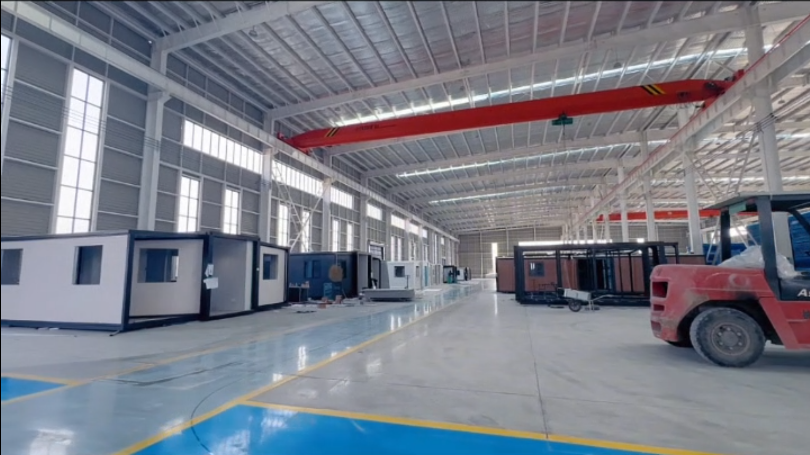
Where Container House Sourcing Projects Go Wrong
Most sourcing problems do not happen during the first quotation. They usually appear after production starts or after the goods arrive at the project site.
Typical issues include:
material specifications not matching the quotation
wall panel thickness not clearly confirmed
delayed production schedule
unclear packing or loading plan
no real production updates
missing accessories after delivery
limited technical support during installation
unclear responsibility for shipping, customs clearance, and local delivery
Many of these problems can be avoided if the buyer verifies the supplier and confirms all technical details before production.
Before placing an order, read our guide on the top mistakes when buying container houses from China to avoid common sourcing risks.
How to Verify a Real Container House Factory
Do not rely only on supplier claims. Verify production ability before placing an order.
1. Request Factory Videos
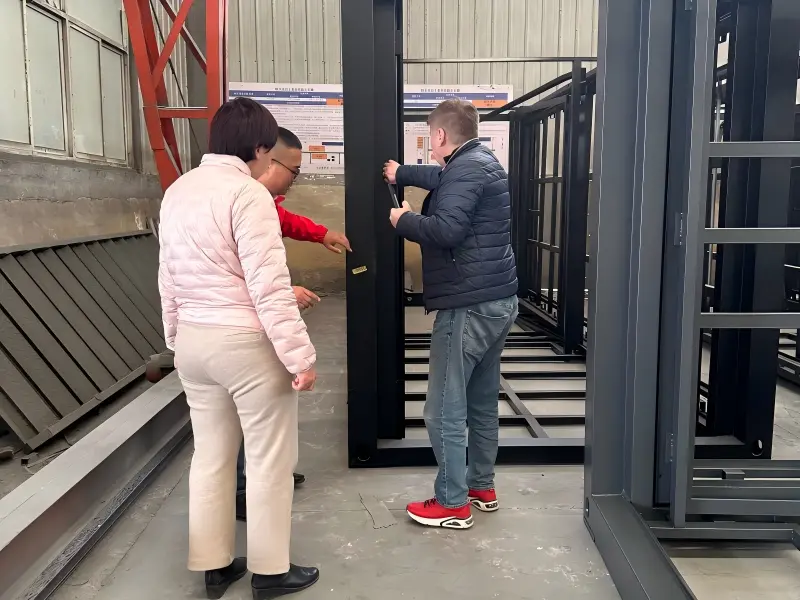
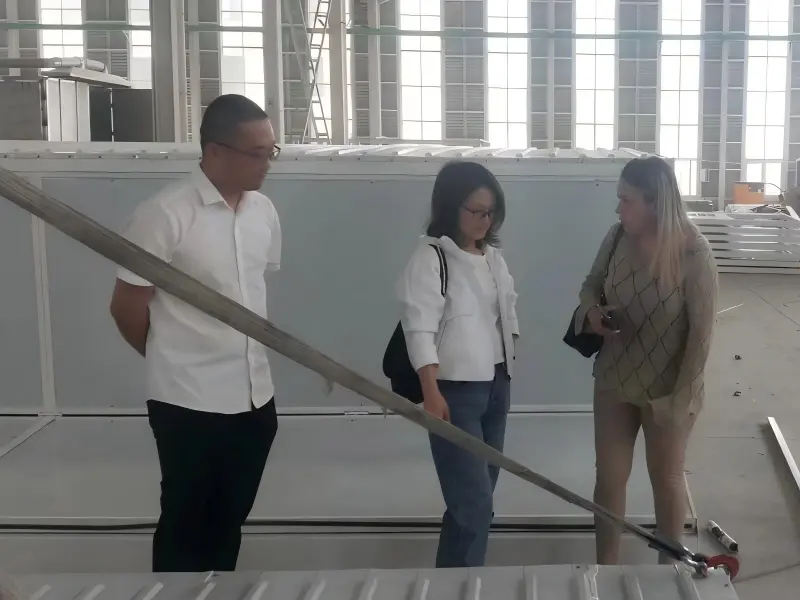
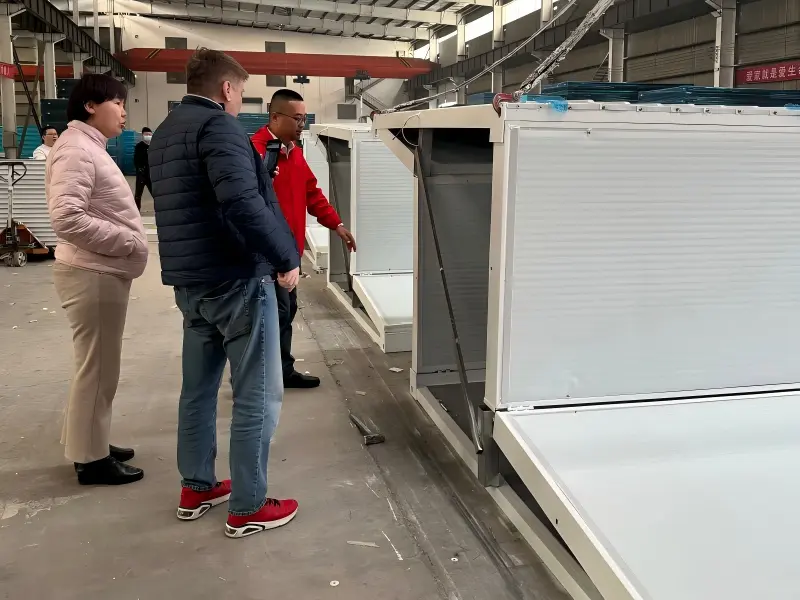
Ask for real workshop videos, production process videos, loading videos, or product inspection videos. Avoid relying only on catalog images.
2. Conduct a Live Video Call
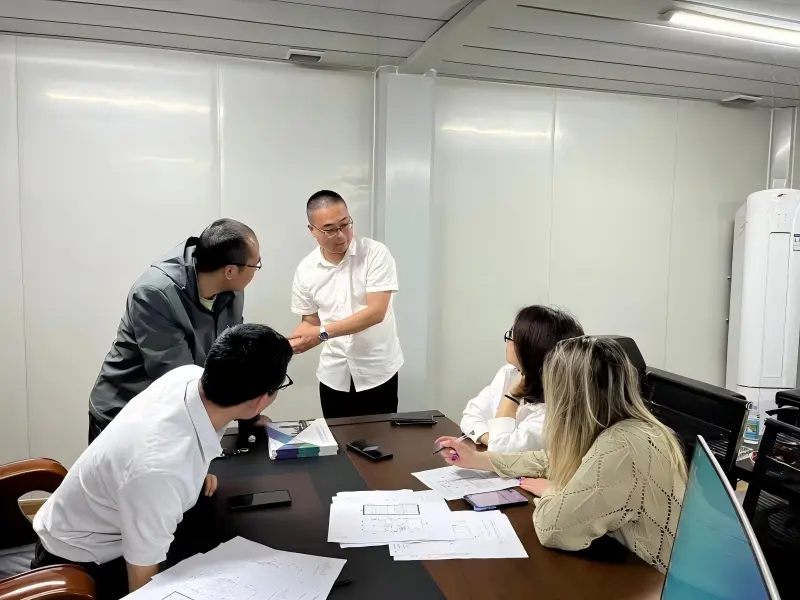
A real factory should be able to show the workshop, production area, finished products, materials, or current orders during a live video call.
3. Ask Technical Questions
Ask specific questions about:
steel frame structure
wall panel thickness
insulation material
roof and floor structure
door and window options
electrical system requirements
waterproof treatment
packing and loading method
4. Confirm Customization Ability
A real manufacturer should be able to discuss layout, bathroom position, kitchen area, door and window placement, wall panel options, and loading plan according to your project needs.
Price Differences Explained
A factory is not always cheaper for every order, especially for very small quantities. However, for bulk orders, customized projects, or long-term cooperation, a direct manufacturer usually provides better control over cost, material selection, production schedule, and technical communication.
In real projects, buyers should not compare only the unit price. They should compare:
material specifications
wall panel thickness
standard configuration
optional upgrades
packing and loading plan
EXW or FOB quotation terms
installation support
after-sales communication
For investment projects, our container house ROI analysis can help you compare cost, lifespan, and return.
Communication vs Control
For technical projects, production control is usually more important than convenience. A trading company may communicate quickly, but if they do not control the factory, material selection, production schedule, or inspection process, the buyer may still face quality and delivery risks.
For container house projects, buyers should pay attention to:
- who confirms the material specifications
- who controls production quality
- who provides production updates
- who checks packing and loading
- who supports installation questions
- who handles after-sales communication
If the project is technical, customized, or bulk order based, direct factory communication can reduce misunderstanding and improve project control.
When a Trading Company May Still Make Sense
A trading company may still be useful in some cases, such as:
very small trial orders
standard products with no customization
buyers who need many different product types
buyers who need simple communication support
However, for bulk orders, customized container houses, project camps, dealer cooperation, or long-term supply, working directly with a factory is usually safer because production details and quality control matter more.
How Professional Buyers Choose a Container House Supplier
In real export projects, professional buyers usually compare suppliers by drawings, material specifications, wall panel thickness, loading plan, production photos, export experience, and communication quality, not only by unit price.
A lower quotation may not be the best option if the wall panel, steel frame, electrical system, packing method, loading quantity, or EXW/FOB terms are unclear.
Experienced buyers usually follow this process:
- shortlist 2–3 suppliers
- verify factory capability
- compare technical specifications
- confirm layout and configuration
- confirm packing and loading plan
- confirm EXW or FOB quotation terms
- check production updates
- arrange inspection before shipment if needed
They focus on project risk control, not only price comparison.
Common Mistakes to Avoid
When choosing a container house supplier in China, avoid these mistakes:
- choosing based only on the lowest price
- not verifying whether the supplier is a factory or trader
- ignoring wall panel thickness and steel structure details
- relying only on catalog images
- not confirming EXW or FOB terms
- not checking packing and loading plan
- not asking for production updates
- not confirming installation support before shipment
Material quality also affects long-term durability. You can read our guide on how long container houses last before making a purchase decision.
Conclusion
Choosing the right container house supplier in China is not only about who replies fastest or quotes the lowest price. It is about who can provide clear specifications, stable production quality, reliable delivery, accurate loading details, and practical support for overseas buyers.
Factories usually offer better production control, stronger customization ability, and clearer responsibility for technical details. Trading companies may offer convenience and wider product sourcing, but buyers should carefully verify who actually controls production and quality.
For serious projects, dealer cooperation, project camps, rental units, or long-term supply, reliability and transparency are more important than short-term convenience.
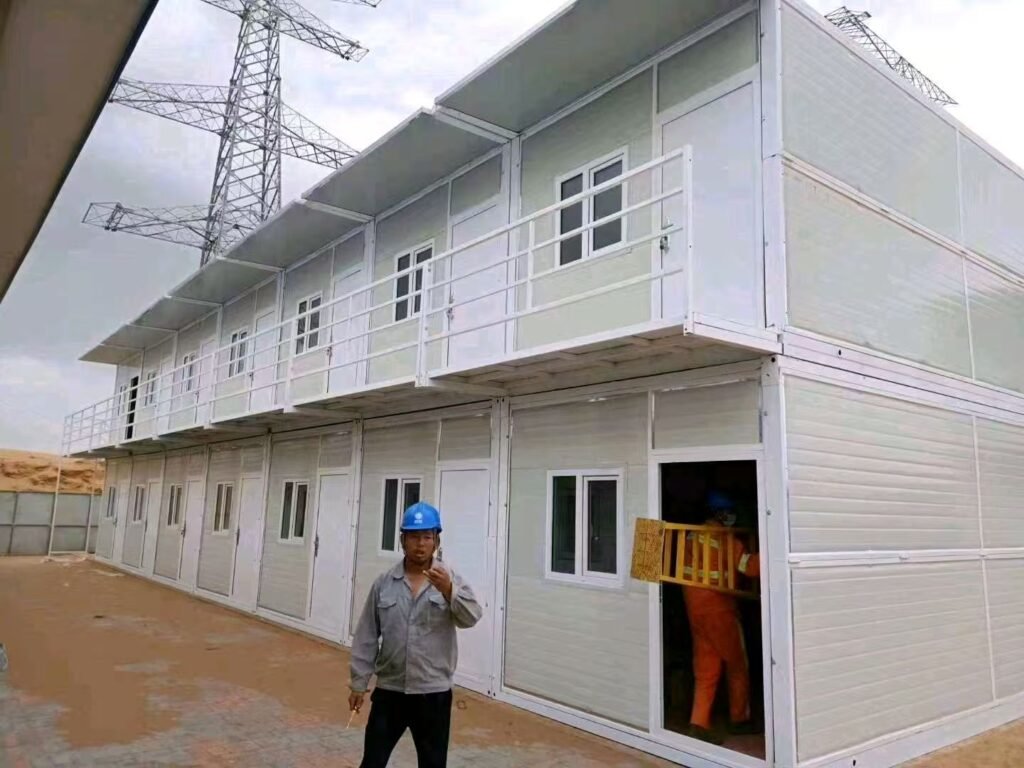
What Sinopala Usually Confirms Before Quoting
Before preparing a quotation, Sinopala usually confirms the product type, size, layout, wall panel requirements, bathroom or kitchen configuration, electrical system, quantity, packing method, destination port, and EXW/FOB quotation term.
This helps overseas buyers compare suppliers more clearly and avoid misunderstandings about product configuration, shipping responsibility, and total project cost.
Get a Container House Supplier Quotation
If you are looking for a reliable container house supplier in China, please send us your basic project information first:
product type: expandable container house, folding container house, modular container house, or container house toilet
required size: 10ft / 20ft / 30ft / 40ft if applicable
quantity
layout or configuration requirements
bathroom or kitchen requirements
destination port
quotation term: EXW or FOB
Sinopala can help check the suitable product type, layout option, loading plan, and EXW / FOB quotation based on your project details.
WhatsApp: +8615011030786
Email: info@sinopala.com
Website: www.sinopala.com