Introduction
How long do container houses last? This is one of the most common questions buyers ask before ordering container houses from China.
The honest answer is that container house lifespan is not fixed. It depends on product type, steel structure, anti-corrosion treatment, wall panel quality, climate, site conditions, installation quality, usage intensity, and maintenance.
Some low-cost units may show rust, leakage, or structural problems earlier if the materials and coating are weak or the site environment is harsh. In practice, a container house with suitable steel treatment, proper waterproofing, correct installation, and regular maintenance usually performs much better than a low-cost unit used in the wrong climate or on an unprepared site.
For buyers planning worker accommodation, site offices, mining camps, farm housing, rental units, or temporary facilities, lifespan should not be judged only by the supplier’s promise.
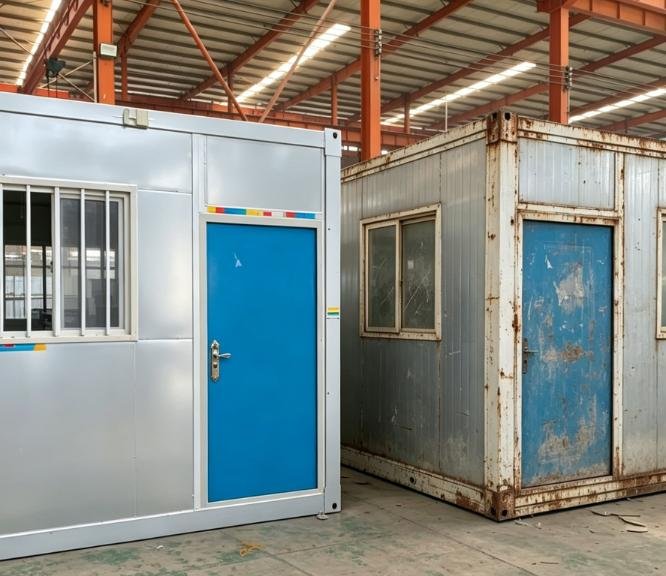
This guide explains the main factors that affect container house lifespan and how buyers can reduce durability risks before placing an order.
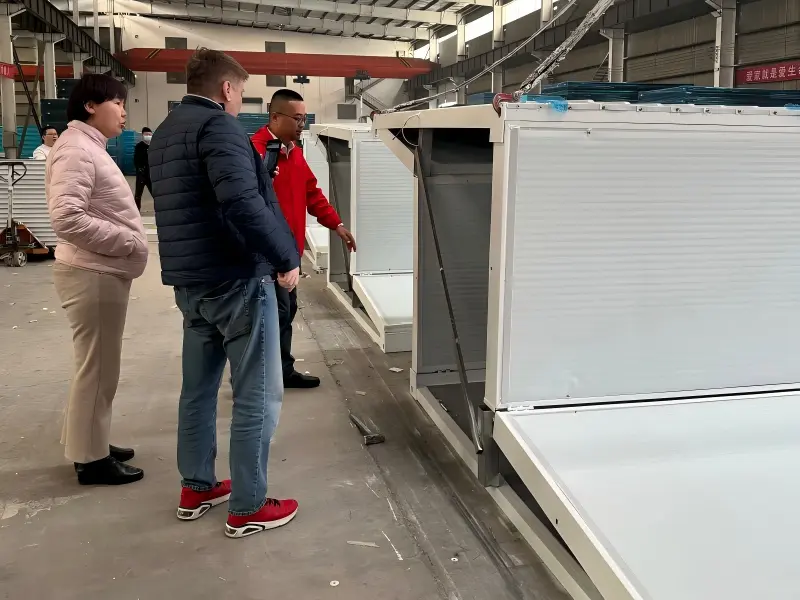
From our daily quotation and project communication, we usually do not judge lifespan by one fixed number. We first ask buyers about the project location, climate, intended use, expected project duration, quantity, and whether the units will be used as accommodation, office space, camp facilities, or temporary support buildings. These details help decide whether a basic configuration is enough or whether stronger anti-corrosion treatment, better insulation, or upgraded waterproofing should be considered.
1. How Long Do Container Houses Usually Last?
Container houses can be used for short-term, medium-term, or longer-term projects, depending on design and material quality.
There is no single lifespan that applies to every container house. A temporary site office, a folding container house for short-term use, an expandable container house for accommodation, and a modular container house for a larger camp may all have different durability requirements.
In general, buyers should treat lifespan as a result of several conditions:
- product type
- steel frame quality
- anti-rust treatment
- wall panel and insulation quality
- roof and waterproofing design
- foundation and installation condition
- local climate
- usage intensity
- maintenance level
Instead of asking only “how many years can it last,” buyers should ask what material standard, coating, installation method, and maintenance plan are suitable for the intended use.
2. Main Factors That Affect Container House Lifespan
The lifespan of a container house is mainly affected by the following factors:
- structure design
- steel thickness and strength
- galvanization or anti-corrosion treatment
- welding quality
- wall panel material
- roof waterproofing
- floor structure
- door and window sealing
- foundation condition
- climate and humidity
- usage frequency
- maintenance level
- shipping and unloading protection
A buyer using container houses in a dry inland area may face different durability issues from a buyer using them in a coastal, humid, or high-rainfall location.
This is why the same product may perform differently in different projects.
3. Product Type and Expected Use
Different container house types are designed for different project needs.
- Folding container houses are often used for temporary accommodation, site offices, emergency use, or projects that need compact transport and fast deployment.
- Expandable container houses are often used when buyers need more usable interior space, better layout comfort, and accommodation or office functions.
- Modular container houses are often used for larger project layouts, worker camps, dormitories, site offices, and multi-unit planning.
- Container house toilets are used for sanitary support in camps, construction sites, outdoor projects, and temporary facilities.
The expected lifespan should match the intended use. A unit used for short-term temporary work does not need the same configuration as a unit planned for long-term accommodation in a harsh climate.
For product type comparison, read Expandable vs Folding Container Houses: Which One Saves More Money?
4. Steel Quality and Anti-Corrosion Treatment
Steel quality and anti-corrosion treatment are important factors in container house durability.
Buyers should check:
- steel frame thickness
- steel treatment method
- welding quality
- anti-rust coating
- roof frame structure
- corner reinforcement
- floor support structure
- surface protection after cutting or welding
A lower-cost unit may reduce the first purchase cost, but it may also use thinner steel, weaker coating, or less careful welding. These details may increase the risk of deformation, rust, leakage, or earlier maintenance needs.
For humid, rainy, coastal, or industrial environments, anti-corrosion treatment becomes especially important.
Before ordering, buyers should ask the supplier to confirm the steel specification, coating method, wall panel structure, and expected use environment.
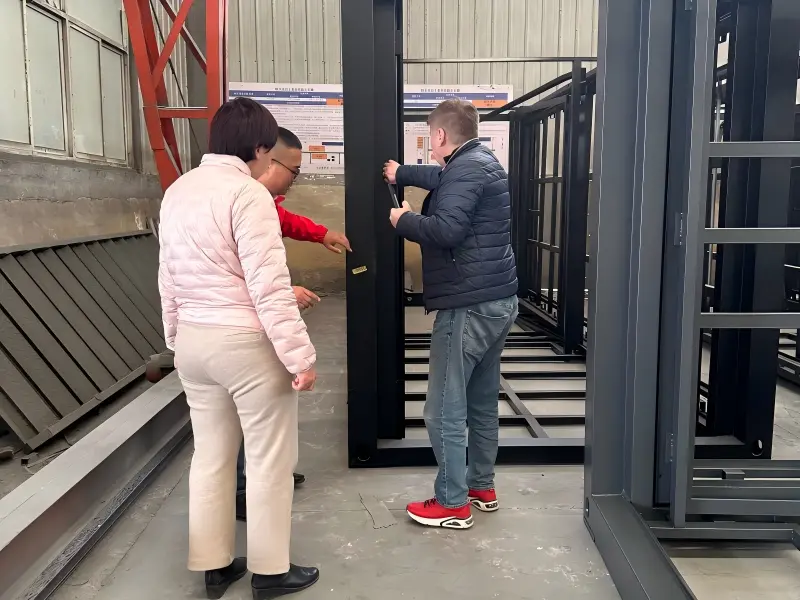
In actual sourcing, buyers should not only ask “How many years can it last?” A better question is: “Can you show the steel frame specification, wall panel structure, anti-rust treatment, roof waterproofing details, and packing method for this quotation?” These details are easier to verify than a general lifespan promise.
5. Climate and Site Environment
Climate and site environment can strongly affect container house lifespan.
Projects in the following conditions may require better material selection and more careful maintenance:
- coastal areas with salt air
- humid or tropical climates
- heavy rainfall areas
- high-temperature regions
- cold or freeze-thaw environments
- dusty or industrial sites
- remote mining or construction sites
Salt, humidity, rainwater, and temperature changes may increase the risk of rust, sealant aging, panel damage, and waterproofing problems if the product is not properly specified.
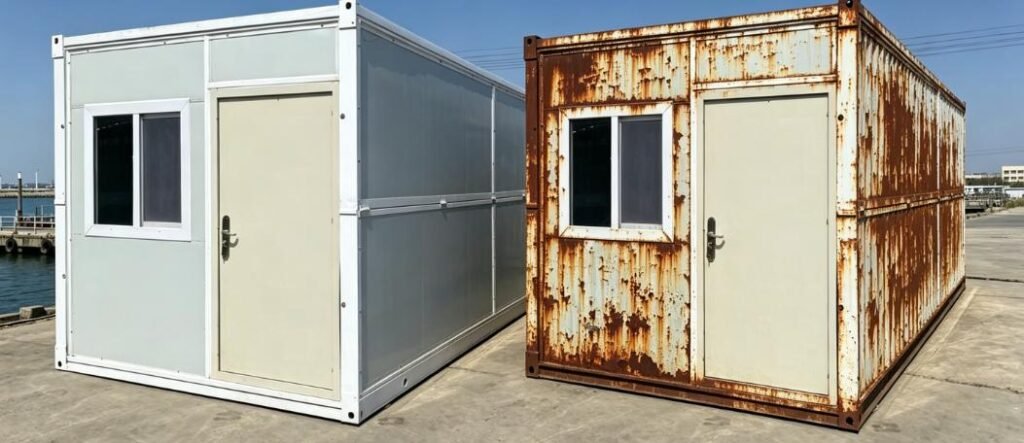
Buyers should tell the supplier the project location and climate condition before quotation. This helps the supplier recommend suitable wall panels, insulation, coating, roof design, and waterproofing details.
6. Usage Intensity and Daily Wear
Lifespan is not affected only by time. It is also affected by how the unit is used every day.
Light-use projects may include:
- site offices
- storage rooms
- temporary meeting rooms
- low-occupancy accommodation
- Heavy-use projects may include:
- worker dormitories
- mining camps
- construction accommodation
- high-turnover rental units
- 24-hour site operations
Heavy use may increase wear on doors, windows, floors, plumbing, electrical systems, bathroom areas, and interior finishes.
A container house used by a small office team may age differently from the same unit used as crowded worker accommodation. Buyers should choose the configuration based on real usage intensity.
7. Installation, Foundation and Waterproofing
Installation quality also affects container house lifespan.
Even a well-produced unit may have problems if the site is not ready, the foundation is uneven, drainage is poor, or the unit is handled incorrectly during unloading.
Buyers should check:
- foundation or base condition
- ground leveling
- roof drainage
- waterproof sealing
- door and window sealing
- utility connection
- unloading method
- lifting or forklift handling
- site drainage around the house
Poor foundation or drainage may cause water accumulation, frame stress, door and window problems, or faster corrosion.
For installation cost and preparation details, read our Container House Installation Cost guide.
Shipping and unloading can also affect long-term durability.
If the frame, coating, roof, or wall panels are damaged during loading, shipping, unloading, or site handling, those areas may become future maintenance points.
Before shipment, buyers should ask for packing details, loading information, and photos where possible.
For freight and packing planning, read our Container House Shipping Guide: Cost, Packing and Delivery.
8. Maintenance Checklist for Longer Lifespan
Container houses are usually easier to maintain than many traditional building systems, but they are not maintenance-free.
Regular inspection can help reduce long-term durability risks.
Recommended maintenance items include:
- checking roof drainage
- checking sealants around joints, windows, and doors
- repairing damaged paint or coating
- inspecting rust spots early
- checking door and window sealing
- checking floor and wall panel condition
- checking electrical and plumbing systems
- keeping the site drainage clear
- cleaning and maintaining bathroom or kitchen areas
The maintenance frequency depends on climate, usage intensity, product quality, and site conditions.
For long-term use, buyers should plan maintenance from the beginning instead of waiting until visible damage appears.
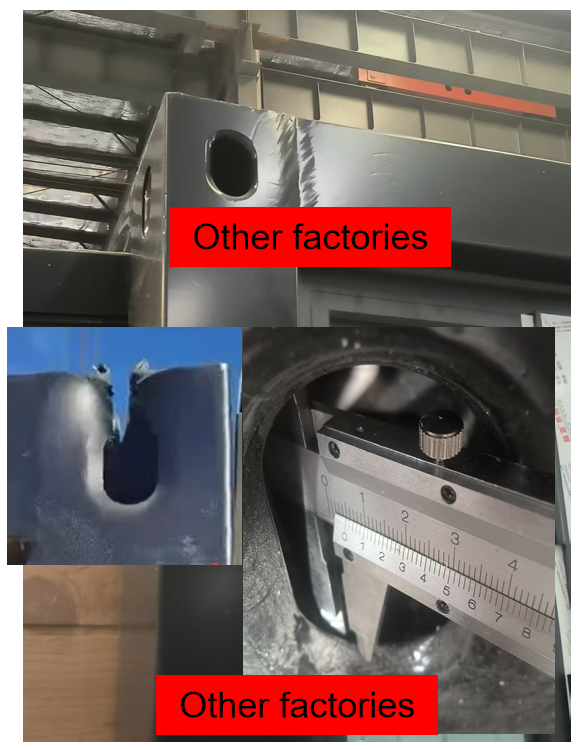
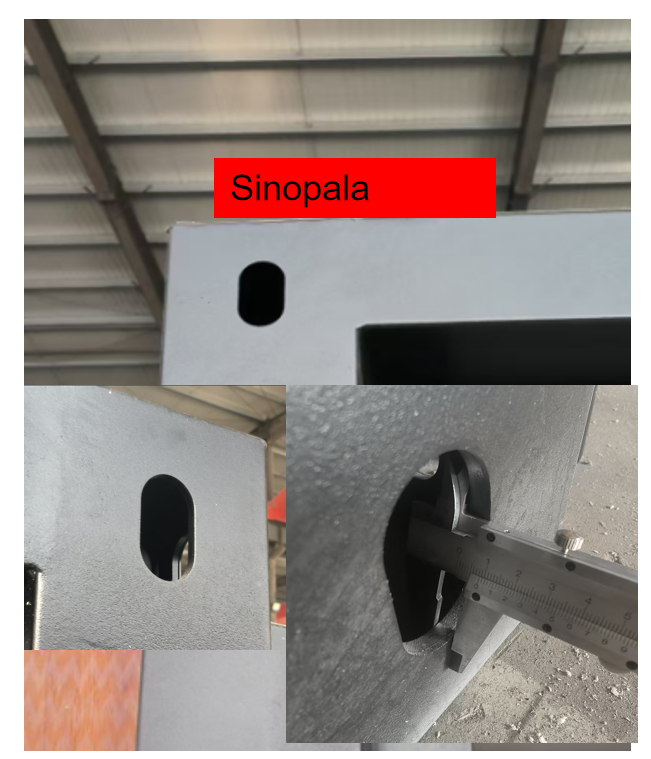
For overseas projects, we also suggest buyers keep installation photos, unloading photos, maintenance records, and repair notes. If a leakage, rust, or door/window problem appears later, these records help identify whether the issue came from production, shipping, installation, site drainage, or long-term use.
9. Common Lifespan Mistakes Buyers Make
Common mistakes include:
- choosing only by the lowest unit price
- not checking steel frame specifications
- ignoring anti-corrosion treatment
- using the wrong product type for the project duration
- not considering local climate
- using basic units for heavy-use accommodation
- not preparing the foundation or drainage properly
- accepting unclear material specifications
- ignoring shipping or unloading damage
- skipping regular maintenance
These mistakes may shorten the usable life of the container house or increase maintenance cost later.
To avoid common sourcing mistakes, read Top 5 Mistakes When Buying Container Houses from China.
For supplier evaluation, read How to Choose the Right Container House Supplier in China.
FAQ
How long do container houses last?
Container house lifespan depends on product type, material quality, anti-corrosion treatment, climate, installation quality, usage intensity, and maintenance. Buyers should evaluate lifespan based on the actual project conditions instead of relying on one fixed number.
Do container houses rust easily?
Container houses may rust earlier if the steel treatment, coating, waterproofing, or maintenance is poor, especially in humid or coastal environments. Proper anti-corrosion treatment and regular inspection can reduce this risk.
Which type of container house lasts the longest?
There is no single answer for every project. A product with stronger structure, better anti-corrosion treatment, suitable wall panels, proper installation, and regular maintenance will usually perform better than a low-cost unit used in the wrong environment.
Can container houses be used for long-term projects?
Yes, container houses can be used for longer-term projects when the product type, material standard, foundation, local approval, site conditions, and maintenance plan are suitable. Buyers should also check local building requirements before long-term use.
Conclusion
So, how long do container houses last?
The realistic answer depends on material quality, steel treatment, climate, usage intensity, installation condition, maintenance, and whether the product type matches the project.
A container house used as a temporary site office may have different durability requirements from a unit used as worker accommodation, mining camp housing, farm housing, or long-term rental space.
Buyers should avoid judging lifespan only by a supplier’s promise or by the lowest price. The better approach is to confirm specifications, climate conditions, installation requirements, and maintenance expectations before ordering.
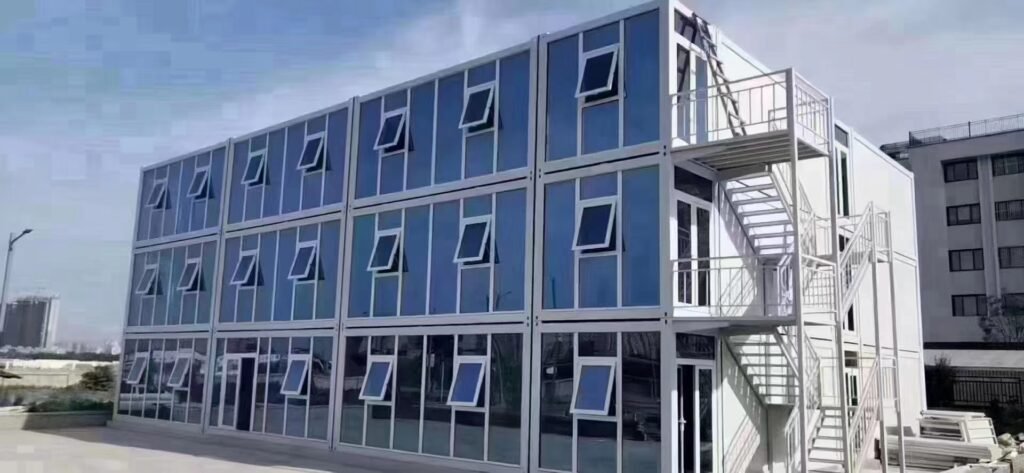
A well-matched container house can support reliable project use when the product type, materials, site conditions, and maintenance plan are properly considered.
Get a Project-Specific Lifespan Recommendation
To recommend a suitable product type and material standard, please send us:
product type: expandable container house, folding container house, modular container house, or container house toilet
required size: 10ft, 20ft, 30ft, or 40ft if applicable
intended use
project location or climate condition
expected project duration
required quantity
layout or configuration requirements
destination port
preferred trade term: EXW or FOB
whether you already have a shipping agent
Sinopala can help check the suitable product type, material options, loading plan, and quotation based on your project details.
WhatsApp: +86 150 1103 0786
Email: info@sinopala.com
Website: www.sinopala.com