Introduction
Many buyers compare container house prices by looking only at the unit price. This is understandable, but it can also create a serious budget mistake.
For an overseas container house project, the real cost is usually affected by product type, quantity, configuration, packing method, loading plan, destination port, installation conditions, and local site requirements.
At Sinopala, we often remind buyers to calculate the total project cost instead of judging a quotation only by the lowest unit price.
A container house is not just a single product. It is part of a complete project system, including manufacturing, packing, shipping, unloading, installation preparation, utilities, maintenance, and site use.
This guide explains the hidden costs of container houses that many buyers miss before placing an order. It does not replace a full quotation, but it can help you prepare a more realistic budget before buying from China.
1. Shipping and Loading Costs
Shipping is one of the most common hidden costs in overseas container house projects.
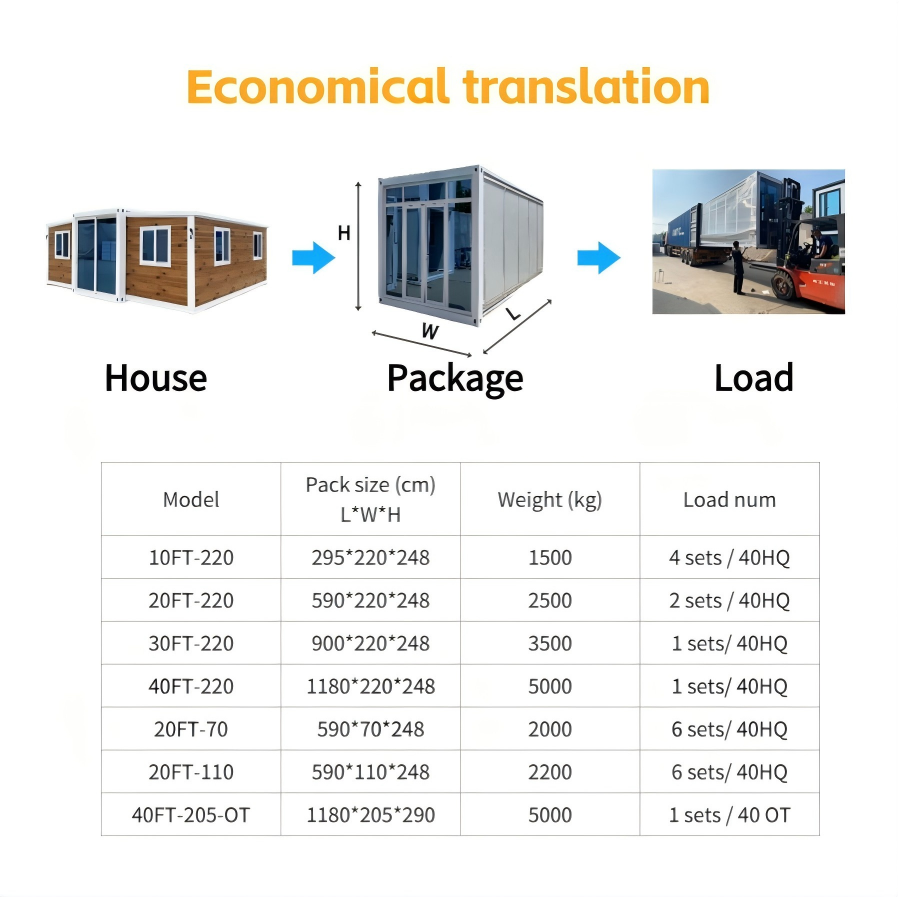
Many buyers only ask for the ocean freight cost, but the real logistics cost may also include inland transport from factory to port, container loading efficiency, packing method, destination port charges, unloading, and local delivery after arrival.
For Sinopala projects, we currently mainly provide EXW and FOB quotations. This means buyers or their shipping agents usually need to arrange ocean freight, customs clearance, destination port handling, and local delivery.
For more details about packing, loading, and freight planning, read our Container House Shipping Guide: Cost, Packing and Delivery.
The hidden cost usually appears when the packing and loading plan is not checked early. Poor loading efficiency can increase the average logistics cost per unit, especially for small orders or mixed product types.
Before ordering, buyers should confirm:
- product size and folded/packed dimensions
- how many units can be loaded into one container
- whether the quotation is EXW or FOB
- destination port
- whether a shipping agent is already available
Shipping cost should not be judged separately from the loading plan.
2. Installation Preparation Costs
Installation cost is another area that many buyers underestimate.
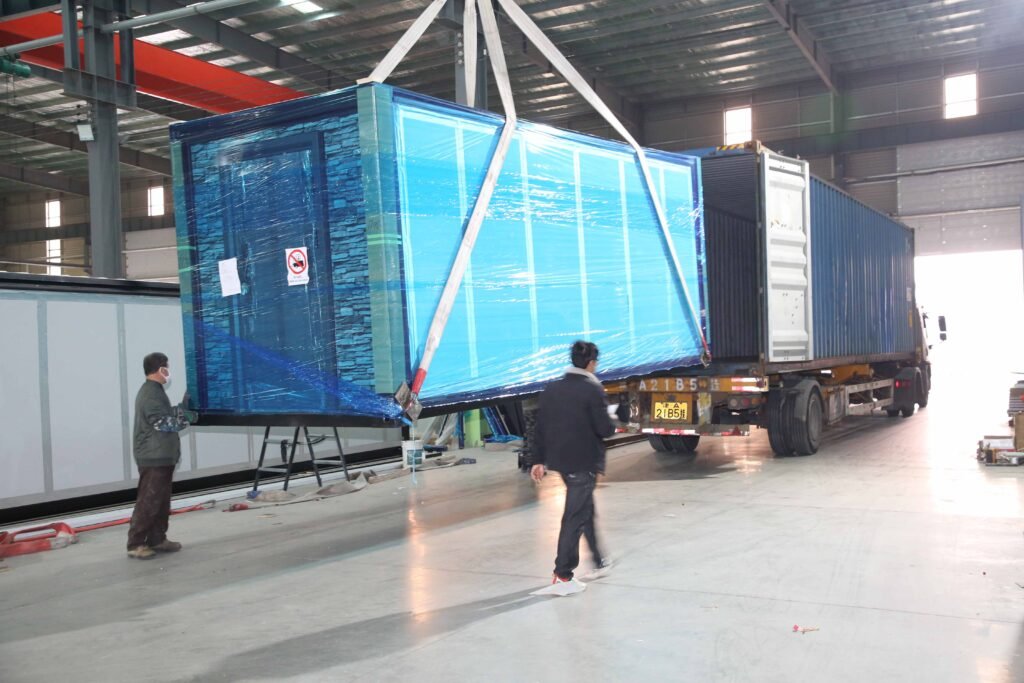
Even when the house structure is pre-assembled or easy to expand, the buyer still needs to prepare the site, workers, tools, lifting equipment, and local utility connection work.
The exact installation cost depends on local labor rates, site conditions, project scale, equipment availability, and product type.
In general, folding container houses and expandable container houses may reduce installation time compared with more complex modular or flat-pack systems. However, they still require proper site preparation and careful handling.
Possible hidden installation-related costs include:
- crane or forklift rental
- local labor
- foundation adjustment
- tool preparation
- unloading assistance
- rework caused by poor site preparation
This article only gives a general warning. For a detailed breakdown, buyers should check the separate installation cost guide.
3. Site Infrastructure Costs
Infrastructure is often missing from the first budget calculation.
The container house may arrive as a finished or semi-finished unit, but the site still needs to support real use. This is especially important for accommodation projects, worker camps, farm housing, site offices, and remote project locations.
Common hidden infrastructure costs include:
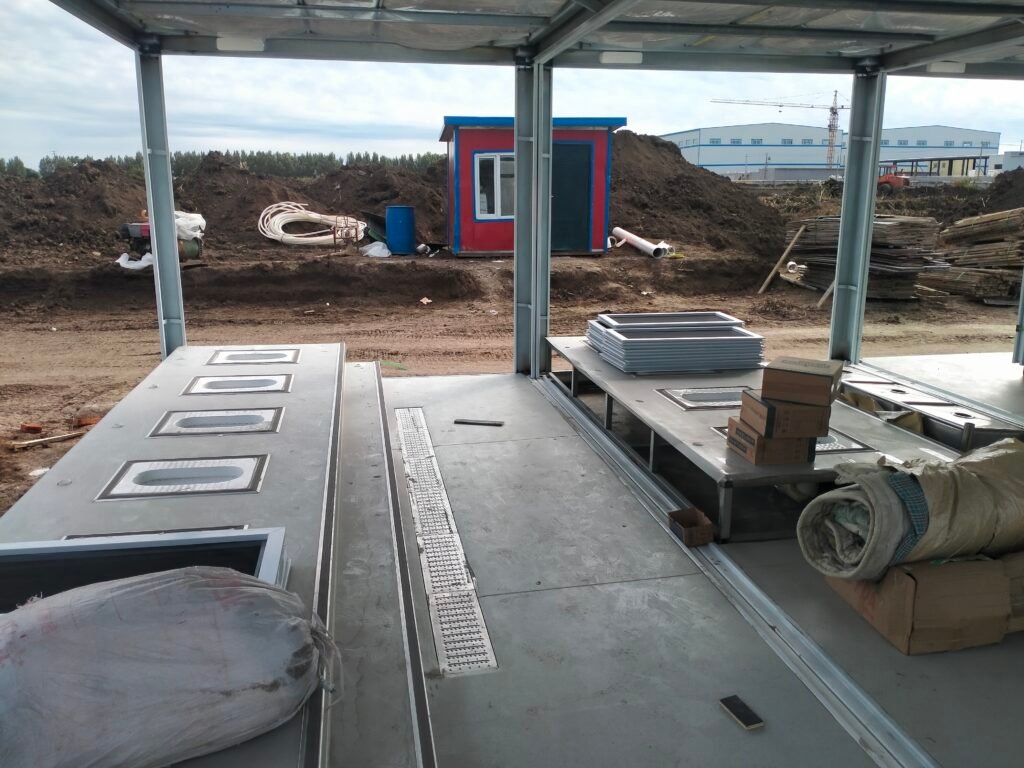
- foundation or base preparation
- electricity connection
- water supply
- drainage and sewage
- access road or unloading area
- site leveling
- local inspection or contractor work, if required
These costs are usually handled locally by the buyer or the buyer’s contractor. They are not normally included in a basic EXW or FOB product quotation.
Infrastructure does not always look expensive at the beginning, but it can become a major part of the total project budget if the site is not ready.
4. Material Quality and Long-Term Repair Costs
A very low unit price may hide lower material standards.
This does not always appear as a cost on the first invoice, but it may become a cost later through repair, replacement, poor insulation performance, corrosion, or shorter service life.
Buyers should pay attention to:
- steel frame thickness
- anti-rust treatment
- wall panel thickness
- insulation material
- roof and floor structure
- doors and windows
- electrical system quality
- waterproof sealing details
For example, a lower-cost wall panel or thinner steel structure may reduce the first purchase price, but it may also increase maintenance risk in certain climates or long-term use projects.
A cheaper product is not always cheaper when repair and replacement costs are included.
5. Maintenance and Lifecycle Costs
Container houses are usually designed for efficient use and lower maintenance compared with traditional construction, but they are not maintenance-free.
Buyers should still plan for regular checks and small maintenance work after installation.
Possible long-term costs include:
- sealant inspection or replacement
- anti-rust maintenance
- door and window adjustment
- roof drainage checks
- minor interior repairs
- electrical and plumbing inspection
The maintenance level depends on product quality, climate, usage frequency, installation quality, and site management.
For short-term temporary use, basic maintenance may be enough. For long-term accommodation or commercial use, lifecycle cost should be considered before choosing the lowest-price option.
6. Project Delay Costs
Project delays are a hidden cost that many buyers do not calculate early.
The delay itself may not appear in the product quotation, but it can create extra costs during the project.
Common causes include:
- late confirmation of layout or configuration
- unclear electrical or plumbing requirements
- shipping schedule changes
- unprepared site conditions
- lack of unloading equipment
- slow local installation arrangement
Depending on the project type, delays may increase labor cost, equipment rental, temporary accommodation cost, site management cost, or lost operating time.
For B2B buyers, especially construction camps, mining camps, temporary offices, and accommodation projects, schedule planning should be part of the cost calculation.
7. Wrong Product Selection Costs
Choosing the wrong product type can create hidden costs across the whole project.
For example, a very basic folding container house may be suitable for temporary use, but may not be the best choice for a long-term accommodation project with higher comfort requirements.
An expandable container house may offer more interior space and faster setup, but it may not be necessary for every short-term or low-budget project.
A modular container house may be suitable for larger project layouts, but it may require more planning for installation and site arrangement.
Sinopala’s common product options include 10ft, 20ft, 30ft, and 40ft expandable container houses, folding container houses, modular container houses, and container house toilets.
For a product type comparison, read Expandable vs Folding Container Houses: Which One Saves More Money?
The hidden cost is not only the product price. It is the cost of choosing a product that does not match the intended use, project duration, site conditions, or buyer budget.
8. Supplier-Related Hidden Costs
Supplier-related hidden costs usually appear after the order is confirmed.
They may come from unclear specifications, missing accessories, weak packaging, poor communication, or lack of after-sales support.
Common hidden risks include:
- quotation details not matching the final product
- unclear wall panel or steel specifications
- missing parts during loading
- poor packing protection
- slow response after shipment
- no clear loading photos or packing information
This section is not about choosing the cheapest or most expensive supplier. The key point is whether the supplier can provide clear specifications, stable production, proper packing, and practical support before shipment.
A transparent quotation should make the buyer understand what is included, what is not included, and what needs to be prepared locally.
For supplier evaluation, you can also read our guide on How to Choose the Right Container House Supplier in China.
9. Hidden Cost Checklist Before You Order
Before comparing container house quotations, buyers should check the following items:
- Is the quotation EXW, FOB, or another trade term?
- What product size and configuration are included?
- What wall panel thickness and insulation material are used?
- How many units can be loaded into one container?
- What is the destination port?
- Who will arrange ocean freight, customs clearance, and local delivery?
- Is the site ready for unloading and installation?
- Are foundation, electricity, water, and drainage included in the local budget?
- Are spare parts, maintenance, and long-term use conditions considered?
- Are product drawings, packing details, and loading information clear?
This checklist helps buyers compare quotations more realistically instead of only comparing the unit price.
If you also need to understand product price factors, read our Expandable Container House Price in 2026 guide.
Conclusion
Container houses can be cost-effective, but only when buyers understand the full project cost.
The lowest unit price does not always mean the lowest total cost. Shipping, loading efficiency, site preparation, installation conditions, infrastructure, material quality, maintenance, product selection, and supplier communication can all affect the final budget.
For overseas buyers, the best approach is to confirm the product type, size, configuration, quantity, destination port, and local site conditions before judging whether a quotation is truly competitive.
A well-planned container house project should not only look affordable on paper. It should also be practical to ship, install, use, and maintain.
Get a More Complete Project Cost Estimate
If you want to estimate the real project cost, please send us the following details:
product type: expandable container house, folding container house, modular container house, or container house toilet
required size: 10ft, 20ft, 30ft, or 40ft if applicable
quantity
intended use
layout or configuration requirements
destination port
preferred trade term: EXW or FOB
whether you already have a shipping agent
Sinopala can help check the possible hidden cost factors, loading plan, product configuration, and suitable quotation based on your project details.
- WhatsApp: +86 150 1103 0786
- Email: info@sinopala.com
- Website: www.sinopala.com