Introduction
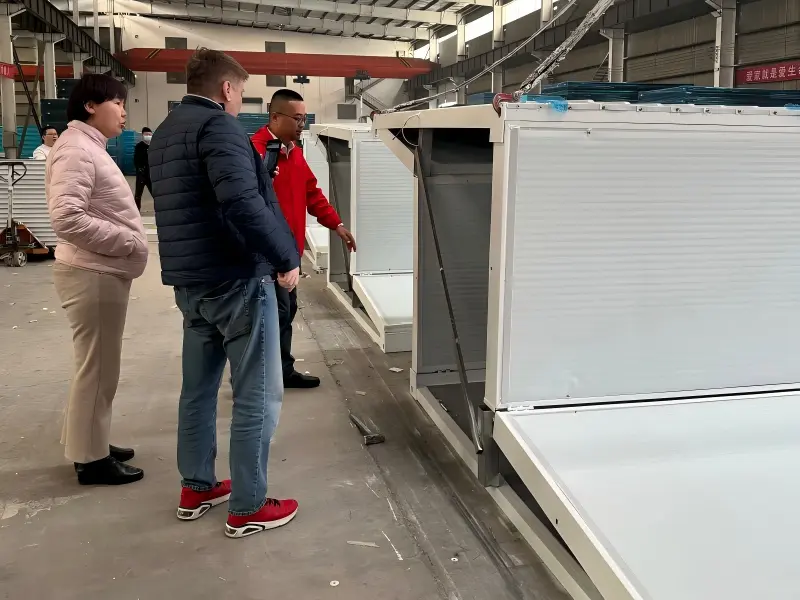
When buyers source container houses from China, most attention goes to price, size, and product photos.
Those are important, but they are not enough.
In real export projects, many problems do not appear at the quotation stage. They appear later during production confirmation, packing, shipment, unloading, installation, or after the unit is already in use.
For professional buyers, distributors, contractors, and project owners, the real risk is not simply choosing a low-cost supplier. The bigger risk is missing the small technical and order-execution details that decide whether the container house can be shipped, installed, connected, and used smoothly on site.
This guide focuses on the details many buyers overlook when sourcing container houses from China: drawings, configuration, materials, packing information, EXW / FOB responsibility, loading photos, installation guidance, and after-sales records.
If you are still at the supplier-comparison stage, understanding the common mistakes when buying container houses from China can help you avoid problems before confirming an order.
Sourcing Is Not Just Finding a Supplier
Many buyers think sourcing means finding a factory, asking for a price, and comparing quotations.
That is only the beginning.
A serious container house order should go through several confirmation steps before production:
- product type
- 10ft / 20ft / 30ft / 40ft size requirement
- layout and room function
- wall panel and insulation requirement
- bathroom, toilet, shower, or kitchen configuration
- electrical and plumbing preparation
- door and window position
- destination port
- packing method
- loading quantity
- EXW or FOB trade term
- installation guidance requirements
If these details are not confirmed early, a cheap quotation can become expensive later. Changes after production starts are harder to control, and changes after shipment are usually much more costly.
Drawings Should Be Confirmed Before Production
One of the most common problems is ordering based only on a product photo.
A photo can show the appearance, but it cannot confirm whether the layout matches the buyer’s project.
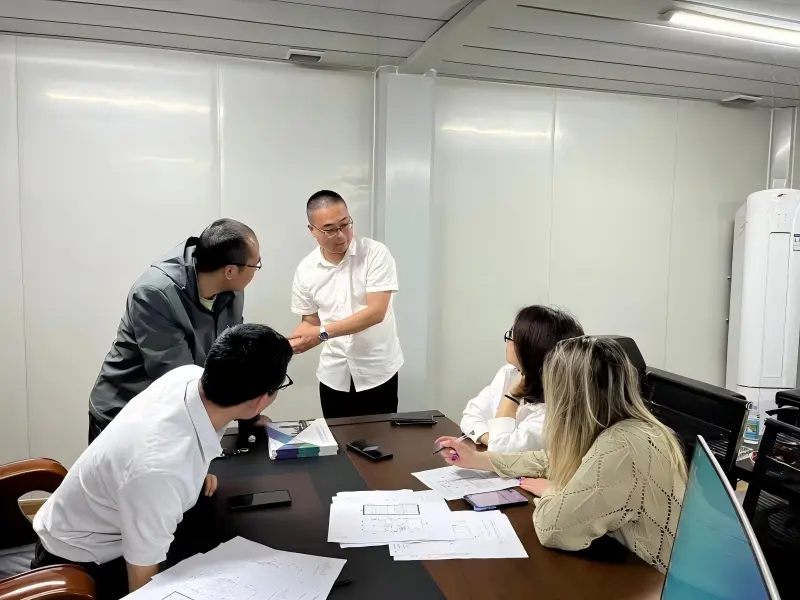
Before placing an order, buyers should ask for basic drawings or layout confirmation. For a container house project, this may include:
- floor plan
- door and window position
- bathroom or kitchen location
- room partition layout
- electrical point position
- plumbing route if required
- external dimensions
- folding or expandable direction if applicable
For example, a 20ft unit used as a site office is very different from a 20ft unit with a bathroom. A 40ft accommodation unit with bedrooms, kitchen, and bathroom also needs different planning from a simple open-space unit.
The layout should be confirmed before production, not after the goods are ready.
Material Specifications Must Be Written Clearly
Many suppliers describe their products with general words such as “strong structure,” “good insulation,” or “high-quality wall panel.”
For B2B buyers, this is not enough.
The buyer should confirm the actual specification items, such as:
- steel frame structure
- wall panel type
- insulation requirement
- roof waterproofing method
- floor material
- door and window type
- bathroom waterproofing
- anti-rust treatment
- sealant and connection details
If the project is in a coastal area, mining site, tropical climate, desert area, or high-humidity location, these details matter even more.
Buyers do not always need the most expensive configuration. But they do need to know exactly what they are buying. A basic site office, worker dormitory, rental accommodation unit, and toilet/shower unit should not use the same configuration.
For buyers comparing quotations, it is also important to review hidden container house costs such as foundation preparation, unloading equipment, local labor, utility connection, and configuration changes.
Insulation and Wall Panels Affect Real Use
Wall panels are not only about price. They affect comfort, temperature control, fire performance, and long-term use.
Before confirming an order, buyers should check:
- panel type
- panel thickness
- insulation material
- fire rating if required
- climate suitability
- whether the panel is suitable for the intended use
A container house used in a hot region, cold region, or high-humidity environment may need a different wall panel choice from a temporary storage or office unit.
For accommodation projects, insulation is especially important. If the unit will be used as a bedroom, dormitory, office, or rental space, the buyer should not choose the wall panel only by lowest price.
Bathroom, Toilet, Shower, and Kitchen Details Are Easy to Miss
Wet areas are one of the most important parts of a container house order.
Many buyers ask for “one bathroom” or “one kitchen,” but do not confirm the actual details. Later, problems may appear in drainage, waterproofing, plumbing connection, or local installation.
Before production, buyers should confirm:
- bathroom location
- toilet and shower layout
- floor drainage position
- waterproofing method
- plumbing route
- water inlet and outlet position
- whether the buyer will connect utilities locally
- whether the local site has drainage prepared
This is especially important for container house toilets, shower units, camp bathrooms, kitchens, and accommodation projects.
These details are also closely connected with container house installation cost, especially when foundation, water supply, drainage, electrical connection, and local contractor work are not planned early.
Electrical Requirements Must Match the Destination Market
Electrical details are another area where buyers should not rely on assumptions.
Different markets may require different plug types, voltage, cable requirements, distribution box standards, or certification expectations.
Before production, buyers should confirm:
- voltage requirement
- plug standard
- socket quantity and position
- lighting position
- distribution box requirement
- air-conditioning preparation if needed
- whether local electricians will complete the final connection
- whether special certification is required in the destination market
If the buyer is importing to the United States, Europe, Australia, New Zealand, or another regulated market, electrical requirements should be discussed before production. Fixing electrical problems after arrival can be difficult and expensive.
Packing and Loading Information Should Be Checked Early
Many buyers focus only on product price and forget packing.
But for overseas orders, packing affects shipping, unloading, installation, and damage risk.
Before shipment, buyers should ask for:
- packing dimensions
- loading quantity
- container type
- packing list
- loading photos
- protection method
- accessory list
- spare parts list if available
For example, expandable container houses, folding container houses, modular container houses, and container house toilets may have different packing and loading plans. Even products with similar names may not load the same way if the size, layout, or configuration changes.
The container house shipping plan should be reviewed together with product size, packing method, loading quantity, destination port, EXW or FOB quotation terms, and whether the buyer already has a shipping agent.
EXW and FOB Responsibility Must Be Clear
Trade terms are often misunderstood.
Sinopala currently mainly provides EXW and FOB quotations. Under these terms, the buyer or the buyer’s shipping agent usually arranges ocean freight, customs clearance, destination port charges, and local delivery.
This should be confirmed before payment.
Buyers should not assume that the supplier will handle customs clearance, destination port charges, local trucking, unloading, or final site delivery unless this is clearly agreed.
For a smoother order, buyers should confirm:
- EXW or FOB quotation basis
- departure port
- destination port
- whether the buyer has a shipping agent
- who arranges ocean freight
- who handles customs clearance
- who pays destination port charges
- who arranges local delivery and unloading
Most disputes can be avoided if these responsibilities are written clearly before production starts.
Factory Photos Are Not Enough — Ask for Order-Specific Records
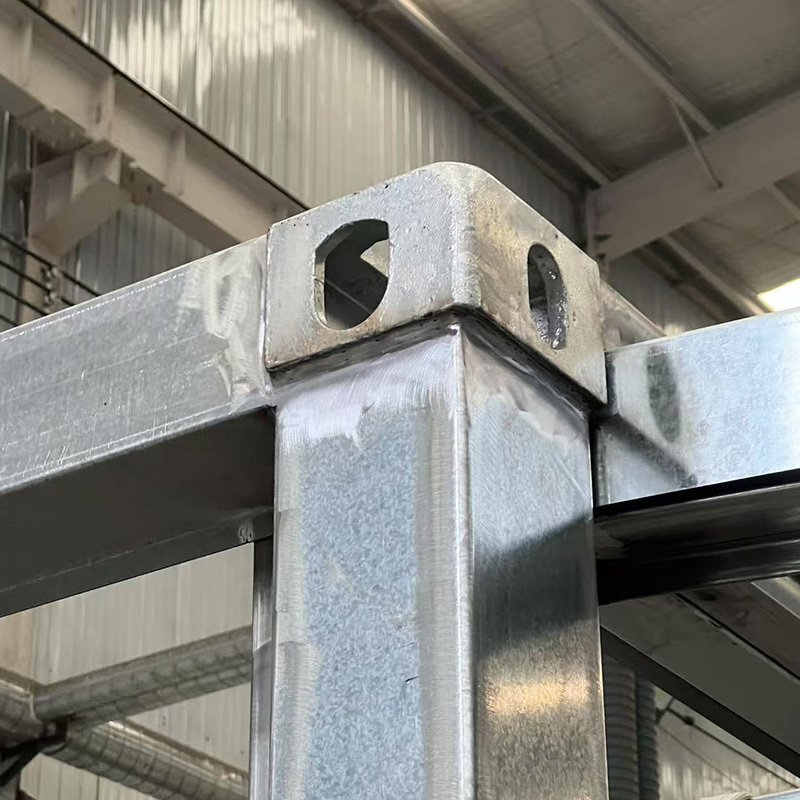
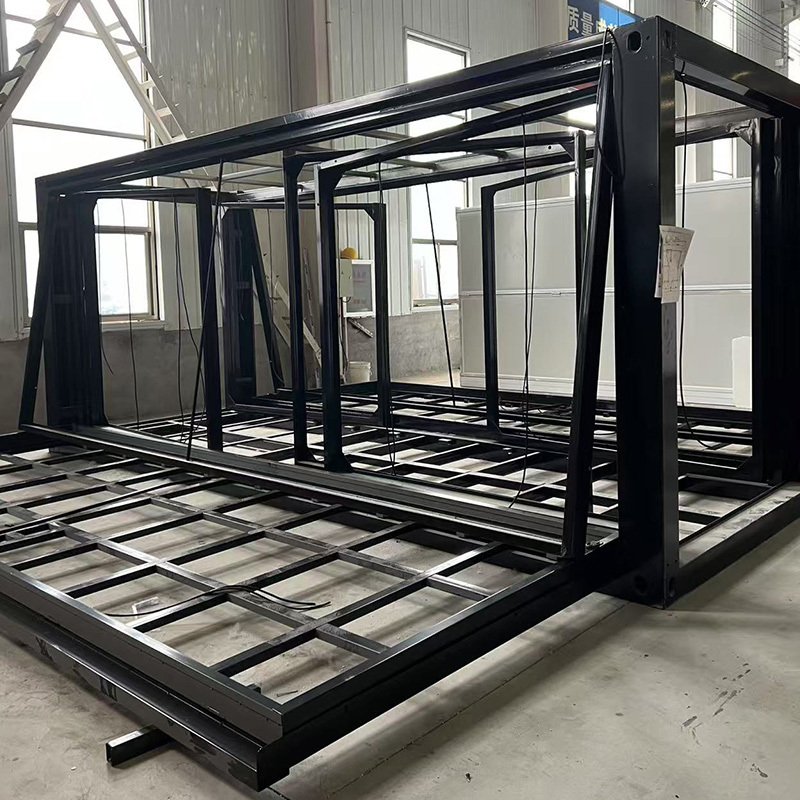
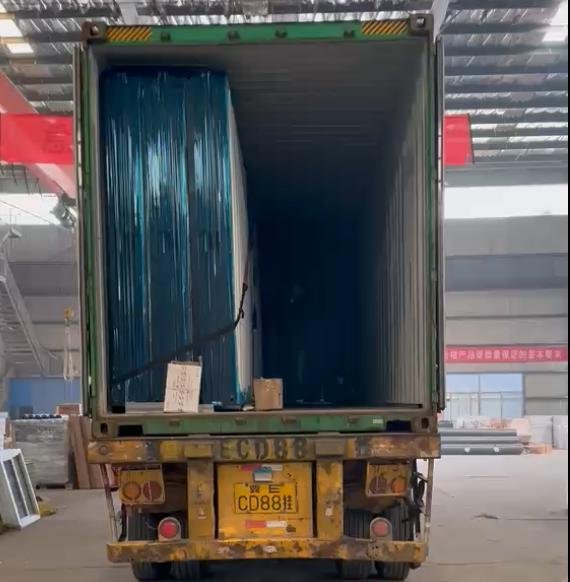
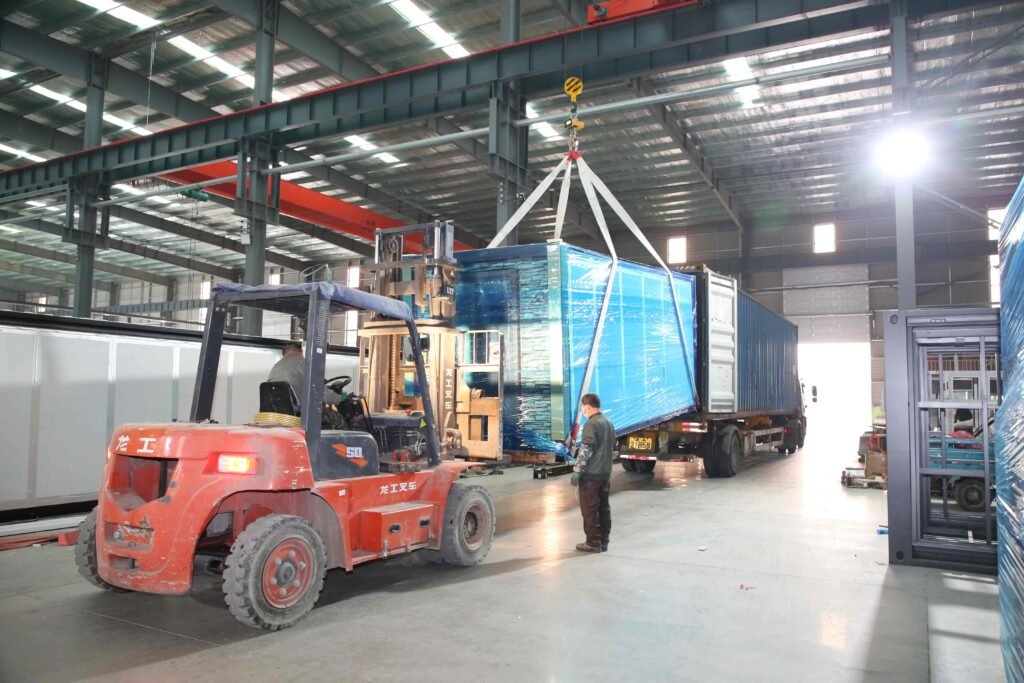
A supplier may show factory photos, product videos, or sample units. These are useful, but they do not prove that your order is being produced correctly.
For a serious B2B order, buyers should request order-related records when possible, such as:
- production photos
- material photos
- layout confirmation
- packing photos
- loading photos
- packing list
- accessory list
- installation guidance
- test or inspection photos if available
The key is to check your actual order, not only stock videos or general marketing materials.
This is especially important when the buyer orders customized layouts, bathrooms, kitchens, toilets, showers, or special wall panel configurations.
Installation Guidance Should Be Confirmed Before Shipment
Many buyers ask about installation only after the goods arrive.
That is too late.
Before shipment, buyers should ask whether the supplier can provide:
- installation drawings
- installation videos
- basic operation guidance
- unfolding or expansion instructions
- accessory list
- foundation suggestions
- connection notes for water and electricity
For expandable or folding container houses, the buyer should also confirm the opening direction, site space, lifting points, and whether local workers understand the installation sequence.
The supplier does not replace local contractors, but clear guidance can help the buyer reduce avoidable mistakes on site.
After-Sales Responsibility Depends on Records
When a problem happens after delivery, buyers often ask whether it is a product issue, transport damage, installation issue, or local-use issue.
Without records, it is hard to judge.
That is why buyers should keep:
- confirmed drawings
- signed specifications
- packing list
- loading photos
- installation photos
- unloading photos
- site connection photos
- maintenance records
These records help both buyer and supplier identify the source of the problem more clearly.
For example, roof leakage, door alignment, bathroom drainage, or electrical issues may have different causes. The cause may come from production, transport, unloading, installation, or local modification. Good records make after-sales communication much easier.
Product Type Should Match the Project
Not every container house type fits every project.
Before choosing, buyers should compare the real project use.
- Expandable container houses are often suitable when the buyer needs more usable interior space after unfolding, such as accommodation, office, rental, or temporary living projects.
- Folding container houses may be suitable when the buyer needs compact transport, repeated deployment, or simple temporary facilities.
- Modular container houses can be used for repeatable units, camp layouts, offices, dormitories, and project-based facilities.
- Container house toilets and shower units are important support products for camps, construction sites, mining projects, farms, and temporary facilities.
Product selection should not be based only on appearance. It should be based on layout, use duration, shipping plan, installation conditions, and site facilities.
Common Details Buyers Miss
Many sourcing problems come from small details that were not confirmed early.
Buyers often miss:
- final layout confirmation
- bathroom and kitchen details
- wall panel specification
- insulation requirement
- electrical standard
- plug type
- drainage plan
- packing dimensions
- loading quantity
- destination port
- EXW or FOB responsibility
- installation guidance
- loading photos
- accessory list
- spare parts
- local unloading conditions
These details do not always look important at the beginning, but they can affect the whole project later.
Final Buyer Checklist Before Placing an Order
Before confirming a container house order from China, buyers should check:
- product type
- size: 10ft, 20ft, 30ft, or 40ft
- quantity
- layout
- room function
- wall panel and insulation requirement
- bathroom, toilet, shower, or kitchen configuration
- electrical requirement
- plumbing requirement
- destination port
- EXW or FOB trade term
- packing method
- loading quantity
- installation guidance
- drawings and specifications
- loading photos before shipment
- local unloading and installation plan
This checklist is more useful than simply asking for the cheapest price.
Conclusion
Sourcing container houses from China is not only about finding a supplier or getting a low quotation.
Professional buyers should focus on the details that affect the real project: drawings, materials, configuration, packing, shipping, installation, trade terms, and after-sales records.
A container house can be a practical solution for accommodation, offices, camps, toilets, showers, remote projects, and temporary facilities. But the project will only run smoothly when the buyer confirms the right details before production and shipment.
Need Help Confirming a Container House Order?
If you are sourcing container houses from China, Sinopala can help review the basic project requirements before quotation.
To recommend a suitable solution, please share:
- intended use
- project location or destination port
- required size: 10ft, 20ft, 30ft, or 40ft
- estimated quantity
- layout requirements
- bathroom, kitchen, office, dormitory, toilet, or shower needs
- expected project duration
- preferred trade term: EXW or FOB
- whether you already have a shipping agent
Contact Sinopala:
WhatsApp: +86 150 1103 0786
Email: info@sinopala.com
Website: www.sinopala.com