Introduction
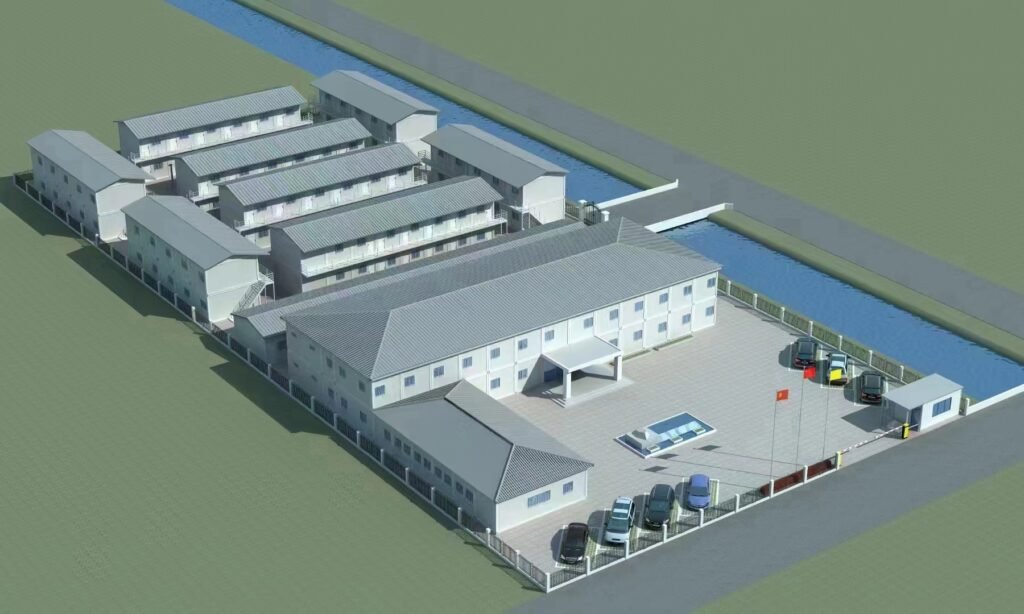
Mining camp cost is one of the first questions buyers need to evaluate before starting a remote accommodation project.
However, the real budget is not decided only by the container unit price. A mining camp usually includes accommodation units, offices, sanitary facilities, kitchen or dining areas, shipping, unloading, installation, foundation, utilities, and local site work.
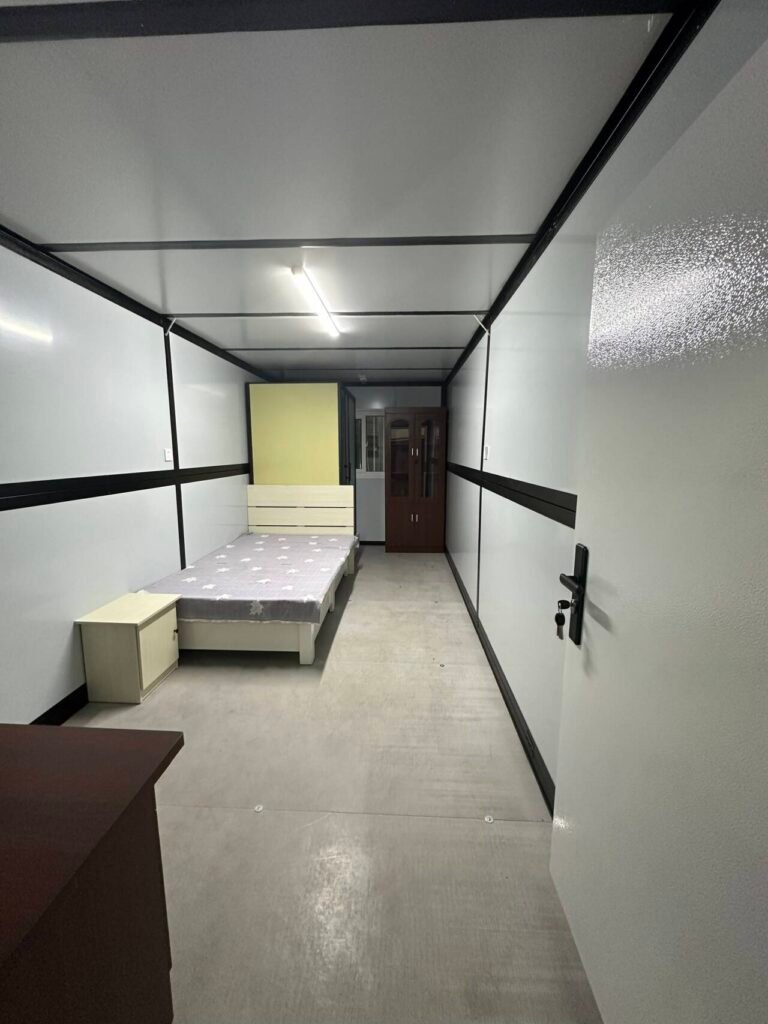
For mining, energy, construction, and remote industrial projects, the final cost may be affected by product type, quantity, layout, configuration, loading plan, destination port, site access, installation conditions, and local infrastructure requirements.
A mining camp is not a single product. It is a complete project system.
This guide explains the main mining camp cost factors and helps buyers prepare a more realistic budget before ordering container houses from China.
1. What Affects Mining Camp Cost?
Mining camp cost depends on more than the number of rooms or container units.
Before preparing a budget, buyers should confirm:
- number of workers or users
- required room type
- dormitory layout
- office and meeting room needs
- toilet and shower requirements
- kitchen or dining area needs
- product type
- configuration level
- destination port
- EXW or FOB quotation term
- site access condition
- foundation and utility requirements
- whether a shipping agent is available
For Sinopala orders, we mainly provide EXW and FOB quotations. Buyers or their shipping agents usually arrange ocean freight, customs clearance, destination port handling, and local delivery.
The more complete the project information is, the more realistic the mining camp cost estimate can be.
2. Main Cost Components of a Mining Camp
A mining camp budget usually includes several major cost components.
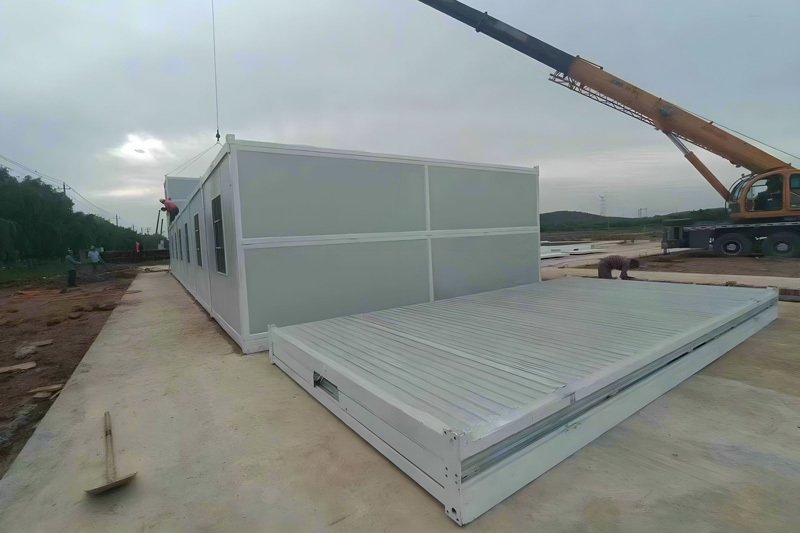
Common cost components include:
- container accommodation units
- office modules
- container toilets and shower rooms
- kitchen and dining facilities
- packing and loading plan
- shipping and destination port costs
- unloading equipment
- site preparation
- foundation or base work
- installation labor
- water supply and drainage
- power system
- maintenance and spare parts
- local permits or inspection requirements, if applicable
- contingency allowance
The exact cost structure depends on project location, camp size, product type, configuration, and local site conditions.
Buyers should avoid comparing only the container unit price. A lower unit price may not reduce the total camp budget if shipping, installation, infrastructure, or maintenance costs increase later.
3. Container Unit and Facility Cost
The container units are usually the visible part of a mining camp budget, but buyers should not treat all units as the same.
A mining camp may include:
- worker dormitory units
- management offices
- meeting rooms
- kitchen and dining units
- container toilets
- shower rooms
- laundry or storage units
- security or medical support rooms
Different functions require different layouts, wall panels, insulation, doors, windows, electrical systems, plumbing systems, and interior finishes.
For example, a dormitory unit, office unit, and container toilet may have different cost logic because their configuration requirements are different.
For mining camps, buyers should choose the unit type based on user needs, climate, project duration, and maintenance expectations.
Depending on the project, buyers may use expandable container houses, folding container houses, modular container houses, or container house toilets in different parts of the camp.
4. Shipping and Logistics Cost
Shipping and logistics are important cost factors for overseas mining camp projects.
The final logistics cost may be affected by:
- factory-to-port transport
- packing method
- loading quantity
- container type
- ocean freight arranged by the buyer or shipping agent
- destination port
- customs clearance
- local delivery after arrival
- road access to the mining site
- unloading equipment
For remote mining sites, local delivery and site access may be more difficult than standard city delivery. Buyers should check whether trucks, cranes, forklifts, and access roads are available before shipment.
The loading plan should be confirmed before order confirmation. If the product size, folded size, or configuration changes, the final loading quantity may also change.
For more details about packing and freight planning, read our Container House Shipping Guide: Cost, Packing and Delivery.
5. Installation and Site Preparation Cost
Installation cost depends on the product type, camp size, local labor, equipment availability, foundation condition, and site access.
Possible installation-related costs include:
- local workers
- crane or forklift rental
- tools and equipment
- foundation or base adjustment
- unloading assistance
- unit positioning
- electrical and plumbing connection
- site safety preparation
Expandable container houses and folding container houses may reduce some on-site construction work compared with more complex systems, but they still require proper unloading, leveling, connection, and local utility work.
For remote mining camps, buyers should confirm the installation team, equipment, road access, and site readiness before the goods arrive.
For a detailed installation budget explanation, read our Container House Installation Cost guide.
6. Infrastructure and Utility Cost
Infrastructure is often one of the most underestimated parts of a mining camp budget.
A mining camp usually needs more than accommodation units. The site may also require:
- power supply
- water supply
- drainage and sewage
- foundation or base preparation
- road access
- lighting
- fire safety preparation
- waste management
- communication equipment
- site leveling
- local inspection or approval work, if required
These costs are usually handled locally by the buyer or local contractor. They are not normally included in a basic EXW or FOB product quotation.
For remote mining projects, infrastructure should be planned early because poor site preparation may create extra labor, equipment, and delay costs.
7. Project Schedule and Cost Risk
Project schedule can affect the total mining camp cost.
If the camp is not ready when the project starts, the buyer may face extra labor cost, equipment rental, temporary accommodation cost, or project management cost.
However, buyers should be careful when estimating time-related savings. The result depends on site readiness, shipping schedule, installation team, local weather, utility connection, and project management.
Container houses may help some projects reduce on-site construction work and support faster deployment, but they do not remove the need for planning.
Before ordering, buyers should confirm:
- production lead time
- shipping schedule
- destination port process
- local delivery plan
- site readiness
- foundation preparation
- installation team availability
- utility connection plan
A realistic schedule is part of the total cost calculation.
8. How to Reduce Mining Camp Cost
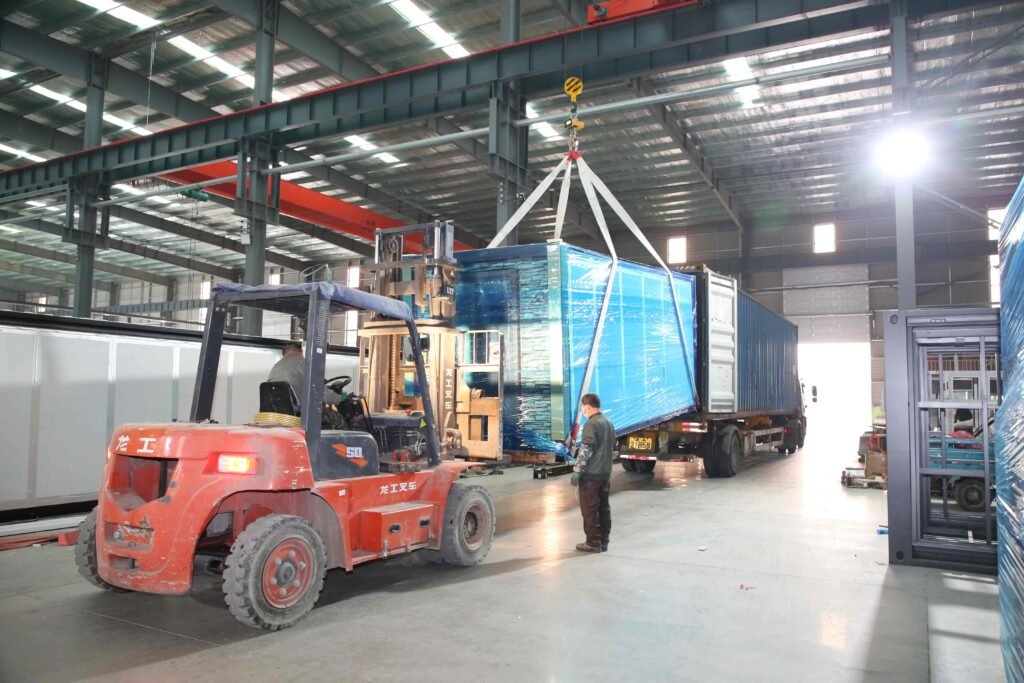
Mining camp cost can often be controlled through better planning rather than simply choosing the cheapest unit.
Buyers can reduce cost risk by:
- confirming camp layout before quotation
- choosing the right product type
- avoiding unnecessary over-configuration
- checking packing and loading plan early
- preparing the site before delivery
- planning power, water, and drainage early
- using suitable dormitory, office, kitchen, and sanitary unit layouts
- confirming EXW or FOB responsibilities
- working with a supplier that can provide clear specifications and loading information
For product type selection, read Expandable vs Folding Container Houses: Which One Saves More Money?
9. Common Cost Mistakes
Common mining camp cost mistakes include:
- only comparing the container unit price
- not confirming what is included in the quotation
- ignoring EXW and FOB differences
- underestimating shipping and remote-site delivery
- forgetting unloading equipment
- not preparing foundation and utilities
- choosing the wrong product type
- overbuilding unnecessary capacity
- not checking wall panel thickness or insulation
- not confirming toilet, shower, kitchen, and dining requirements
- not preparing a contingency budget
A good mining camp budget should include product cost, shipping, unloading, installation, infrastructure, local site work, and maintenance planning.
To avoid more sourcing mistakes, read Top 5 Mistakes When Buying Container Houses from China.
Conclusion
Mining camp cost is not defined by container unit price alone.
The final budget may be affected by camp size, product type, layout, configuration, loading plan, shipping route, site access, installation conditions, infrastructure, utility connections, and local labor cost.
Container houses can be useful for mining camps because they support flexible layouts, faster site preparation, and relocatable project accommodation. However, buyers should not judge the project only by expected ROI or the lowest unit price.
The best approach is to confirm the camp layout, choose the right product type, check logistics and site conditions, and prepare a realistic total project budget before ordering.
Get a Project-Specific Mining Camp Cost Estimate
If you need a project-specific mining camp cost estimate, please send us:
number of workers or users
required room types
product type: expandable container house, folding container house, modular container house, or container house toilet
required size: 10ft, 20ft, 30ft, or 40ft if applicable
quantity
camp layout or configuration requirements
toilet, shower, kitchen, or dining requirements
project location or destination port
preferred trade term: EXW or FOB
whether you already have a shipping agent
whether the site and local installation team are ready
Sinopala can help check the product options, loading plan, camp layout, configuration choices, and possible project cost factors based on your mining camp requirements.
WhatsApp: +86 150 1103 0786
Email: info@sinopala.com
Website: www.sinopala.com