Introduction
Many buyers are interested in folding houses because they are compact for transportation, faster to set up under prepared site conditions, and suitable for many temporary or project-based uses.
But before placing an order, one important question must be answered carefully: are folding houses safe?
The answer depends on the product design, steel frame, wall panels, folding connection system, foundation, anchoring method, installation quality, local climate, maintenance, and whether the unit is used within suitable project conditions.
A folding house can be a safe and practical solution when the product configuration matches the site environment and the installation is handled correctly. However, buyers should not judge safety only by photos, low price, or general marketing claims.
This guide explains folding house safety from a practical B2B project point of view.
What Makes a Folding House Safe?
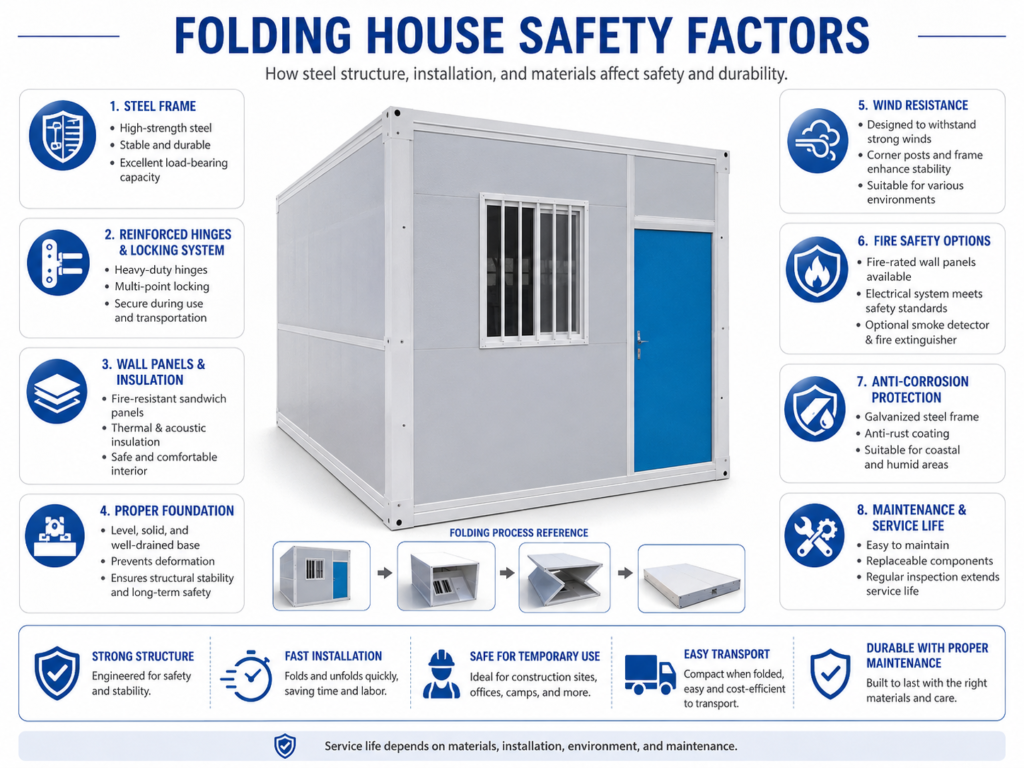
A folding house is different from a simple temporary shelter.
Depending on the model, it usually includes:
- steel frame
- roof and floor system
- wall panels
- folding or hinged structure
- connection parts
- doors and windows
- locking or fixing points
- optional electrical routes
- optional bathroom or plumbing preparation
Safety comes from the complete system, not one single material.
Buyers should check whether the structure, panels, foundation, fixing method, sealing, and utility connection are suitable for the intended use.
For buyers who need to understand the basic product concept first, the article about what a folding house is can help explain how the structure works before evaluating safety.
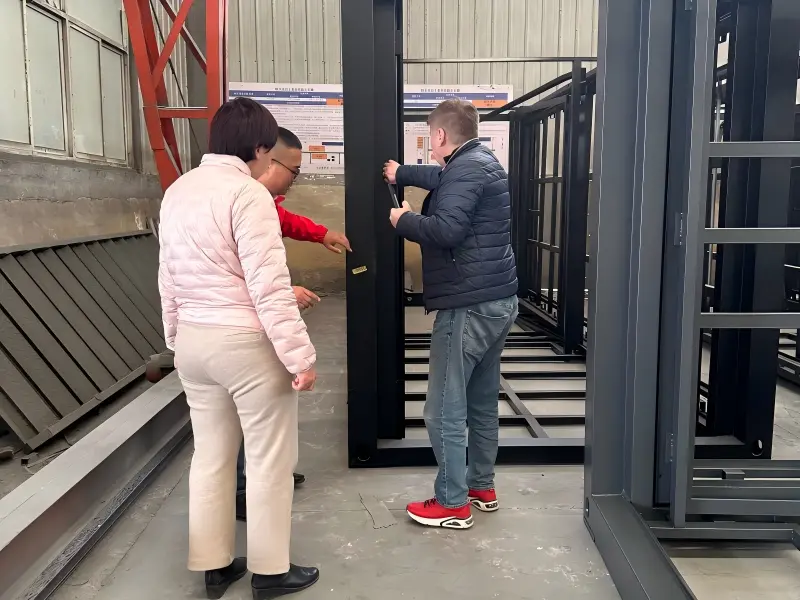
Steel Frame and Structural Stability
The steel frame is one of the most important parts of folding house safety.
Buyers should confirm:
- frame structure
- steel specification if available
- welding quality
- roof and floor support
- side frame design
- corner posts
- base frame
- hinge and folding connection points
- anti-rust treatment
- connection bolts and accessories
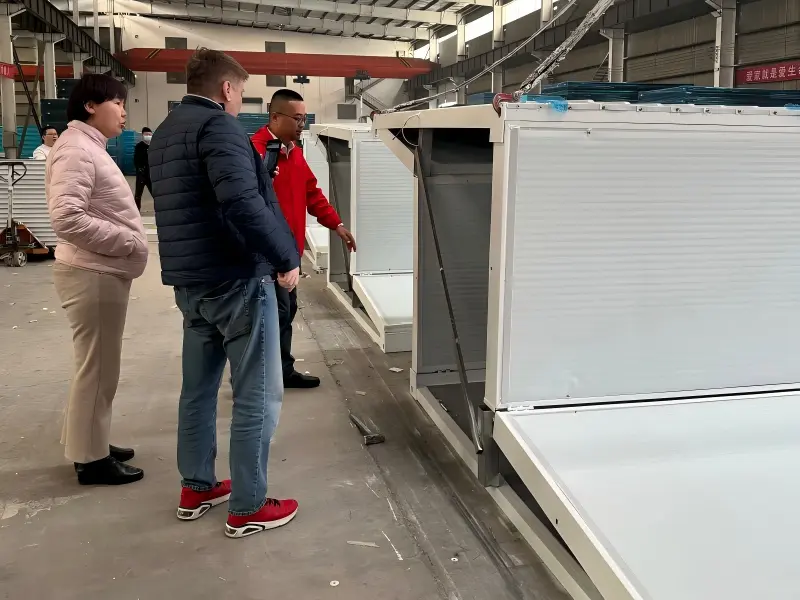
For folding houses, the folding mechanism and connection points are especially important because the unit needs to be transported compactly and opened on site.
A reliable design should allow the structure to be unfolded, aligned, fixed, and used without forcing the frame or panels.
If the frame is too light, poorly welded, or not properly fixed after installation, safety and durability may be affected.
For more technical detail, buyers can review the folding container house structure guide before confirming a model.
Foundation and Anchoring Are Critical
Even a well-made folding house needs a stable foundation.
Poor foundation preparation can create safety problems such as:
- door misalignment
- wall panel stress
- roof joint movement
- water drainage problems
- unstable positioning
- uneven floor
- weaker performance in windy or rainy conditions
Before installation, buyers should confirm:
- level ground
- suitable foundation points
- drainage direction
- bearing condition
- anchor method if required
- site access
- unloading equipment
- local labor arrangement
- nearby walls, trees, cables, or obstacles
For windy areas, long-term use, coastal regions, or exposed sites, anchoring and foundation design should be checked carefully by the buyer’s local site team or qualified contractor.
The factory can provide installation guidance, but local foundation, anchoring, and compliance usually depend on site conditions and local requirements.
Wind Resistance Depends on Installation and Site Conditions
Wind resistance is one of the most common safety concerns for folding houses.
However, buyers should be careful with fixed wind-resistance claims unless the supplier provides real test data, structural calculations, or project-specific specifications.
Actual wind performance depends on:
- steel frame design
- wall panel strength
- roof structure
- connection points
- anchoring method
- foundation condition
- installation quality
- local wind exposure
- surrounding terrain
- project duration
- local building requirements
A folding house installed on a level foundation with proper anchoring may perform very differently from one placed on uneven ground without fixing.
For high-wind areas, coastal projects, open fields, mountains, or exposed construction sites, buyers should confirm local wind conditions before ordering.
The safe approach is to provide the supplier with the project location and ask whether the selected model and configuration are suitable.
Wall Panels, Insulation, and Fire Safety
Wall panels affect not only comfort but also safety, durability, and maintenance.
Common panel options may include:
- EPS sandwich panels
- rock wool sandwich panels
- PU or other insulated panels
- customized panel systems depending on project requirements
Different materials have different insulation, fire-performance, moisture-resistance, and cost characteristics.
Buyers should confirm:
- wall panel type
- panel thickness
- insulation material
- fire-resistance requirement if applicable
- moisture resistance
- bathroom wall treatment if included
- roof insulation
- local safety requirement
For worker accommodation, dormitories, camps, public-use projects, or regions with strict fire requirements, panel selection should not be based only on the lowest price.
Local fire and safety rules should be checked before purchase.
Roof, Waterproofing, and Sealing Safety
Water leakage is one of the most common problems that can affect modular buildings over time.
For folding houses, buyers should check:
- roof joints
- wall panel joints
- corner connections
- door frames
- window frames
- base frame sealing
- bathroom waterproofing if included
- drainage direction
- roof maintenance access
If water enters through weak sealing areas, it may affect panels, floors, interior finish, electrical points, and long-term durability.
Rainy, humid, snowy, and coastal environments require more careful sealing and maintenance planning.
A folding house should be inspected after installation and checked regularly during use, especially before and after rainy seasons.
Electrical and Plumbing Safety
If a folding house includes electrical or plumbing preparation, safety also depends on local connection work.
Buyers should confirm:
- voltage standard
- socket layout
- lighting layout
- circuit protection requirement if needed
- grounding requirement if applicable
- water inlet
- drainage outlet
- toilet or shower connection
- kitchen sink connection
- local utility connection responsibility
The factory may prepare routes or reserved connection points according to the order configuration.
However, final electrical and plumbing connection usually needs to be handled by the buyer’s local qualified workers or contractors.
Buyers should not assume that a factory-prepared unit automatically meets all local electrical, plumbing, or approval requirements.
Durability and Service Life
A safe folding house should also be durable enough for the intended use.
Service life depends on:
- steel frame quality
- anti-rust treatment
- wall panel type
- roof and sealing condition
- foundation quality
- installation method
- climate
- maintenance
- relocation frequency
- daily use intensity
As a general reference, a folding house may last around 10–20 years or longer under suitable conditions, but this is not a fixed guarantee.
For buyers evaluating long-term use, the guide on folding house lifespan can help explain material, climate, maintenance, and relocation factors in more detail.
Safety for Different Applications
Folding houses are used in many project scenarios, but each application has different safety requirements.
Common uses include:
- worker accommodation
- student dormitories
- construction site offices
- temporary project housing
- modular camps
- farm support rooms
- emergency support housing
- storage or utility rooms
- temporary commercial spaces
A simple site office may have different requirements from a worker dormitory with many users.
A unit with bathroom, shower, or kitchen also needs more attention to waterproofing, drainage, ventilation, electrical safety, and maintenance access.
For high-use projects, buyers should consider stronger flooring, better doors and locks, suitable wall panels, ventilation, fire-safety requirements, and regular inspection.
Common Safety Mistakes
Many safety problems come from poor planning rather than the folding house concept itself.
Common mistakes include:
- choosing the cheapest configuration without checking materials
- not confirming wall panel type
- ignoring foundation preparation
- installing on uneven ground
- not using proper anchoring where needed
- ignoring wind and drainage conditions
- forcing panels during installation
- not checking bolts and connectors
- not checking roof and wall sealing
- using unqualified local workers for electrical or plumbing work
- not keeping maintenance records
- relocating the unit without inspection
These mistakes can lead to leakage, corrosion, instability, door or window problems, higher maintenance costs, or shorter service life.
Many of these issues are similar to common mistakes when buying container houses from China.
What Buyers Should Confirm Before Ordering
Before ordering folding houses, buyers should provide and confirm:
- intended use
- project country or destination port
- local climate conditions
- wind, rain, snow, humidity, or coastal exposure if relevant
- expected project duration
- required size
- estimated quantity
- number of users
- bathroom, shower, kitchen, office, or dormitory needs
- wall panel and insulation requirements
- steel frame and anti-rust requirements
- foundation and anchoring plan
- site access and unloading conditions
- electrical and plumbing requirements
- EXW or FOB trade term
- whether a shipping agent is arranged
- local approval or compliance requirements if applicable
With this information, the supplier can recommend a more suitable configuration instead of only giving a general price.
For supplier evaluation, buyers can also review how to choose a reliable container house manufacturer before placing an order.
Conclusion
Folding houses can be safe when they are properly designed, manufactured, transported, installed, fixed, connected, and maintained.
Their safety depends on the steel frame, folding connection system, wall panels, foundation, anchoring, waterproofing, electrical and plumbing work, climate, local requirements, and maintenance.
Buyers should avoid relying on simple claims such as “safe for all conditions” or fixed wind-resistance promises unless real specifications are provided.
The safest approach is to match the product configuration with the project environment, prepare the site correctly, follow installation guidance, use qualified local workers for utilities, and inspect the unit regularly during use.
Need Help Choosing a Safe Folding House Configuration?
If you are planning a folding house or folding container house project, Sinopala can help review your safety and configuration requirements before quotation.
To recommend a suitable model, please share:
- intended use
- project country or destination port
- local climate conditions
- expected project duration
- required size
- estimated quantity
- number of users
- bathroom, shower, kitchen, office, bedroom, or dormitory needs
- wall panel and insulation requirements
- foundation and anchoring plan
- site access and unloading conditions
- electrical and plumbing requirements
- preferred trade term: EXW or FOB
- whether you already have a shipping agent
Contact Sinopala:
WhatsApp: +86 150 1103 0786
Email: info@sinopala.com
Website: www.sinopala.com