Introduction
A container house business can be a practical opportunity for investors, contractors, rental operators, and project developers, but it should not be started only because the unit price looks attractive.
A successful container house business plan needs more than buying a few units. Buyers should understand the target market, business model, product type, land or site conditions, logistics, installation, maintenance, local regulations, and real customer demand.
Many projects fail not because container housing is a bad idea, but because the planning is incomplete. Common problems include unclear rental strategy, poor location selection, underestimated shipping and installation costs, unsuitable product type, and weak supplier support.
This guide explains how to build a practical container house business plan in 2026. It focuses on business models, cost factors, product selection, logistics, and risk control.
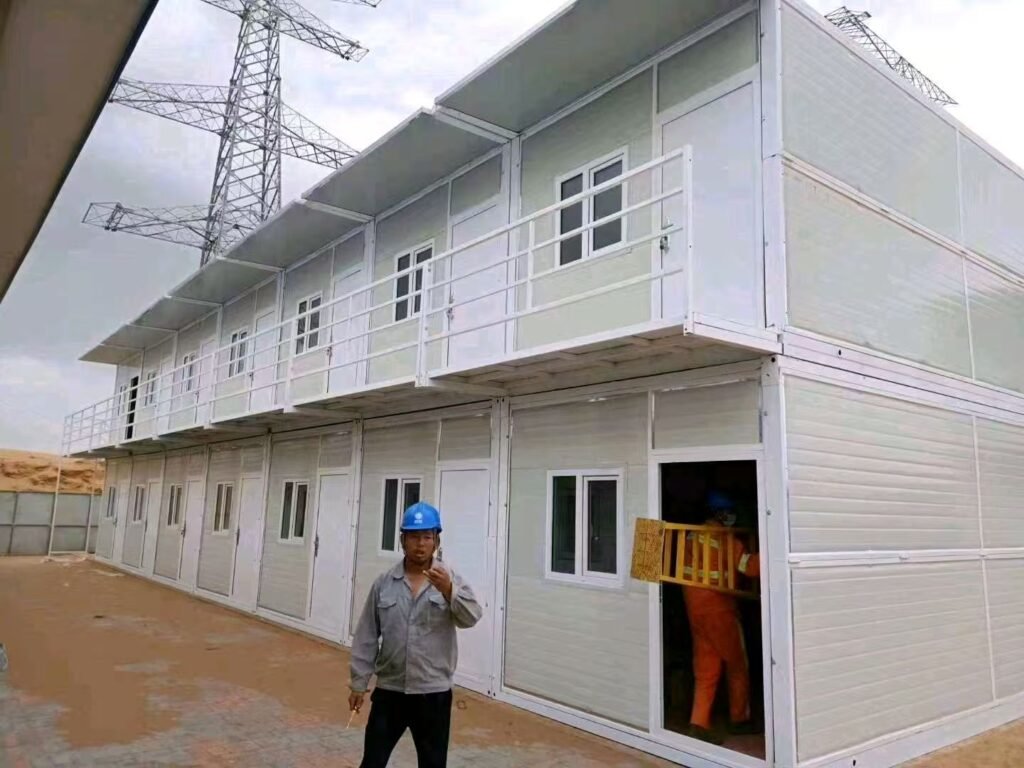
It does not guarantee profit or payback time. The final result depends on your local demand, operating ability, project cost, rental or sales model, and market conditions.
1. Choose the Right Container House Business Model
Before ordering container houses, buyers should first define how the business will generate revenue.
Different business models require different product types, layouts, locations, budgets, and operating plans.
Common container house business models include:
- long-term rental for worker accommodation or project housing
- short-term rental for temporary stays or tourism-related use
- B2B project supply for contractors, developers, or industrial projects
- site office or temporary facility rental
- farm, resort, or campsite accommodation projects
- container toilet or sanitary facility rental for events and sites
Long-term rental may provide more stable demand in some markets, but it depends on local projects, land availability, operating cost, and tenant demand.
Short-term rental may have higher seasonal variation and usually requires stronger location selection, design, marketing, and local management.
B2B project supply may involve larger orders, but it also depends on bidding cycles, contractor relationships, payment terms, and delivery capability.
There is no best model for every buyer. The right model depends on your target customers, local demand, budget, land or site access, and ability to manage operations.
2. Understand the Main Cost Factors
The startup cost of a container house business depends on the product type, quantity, configuration, shipping route, site conditions, and local installation requirements.
Instead of relying on one fixed investment number, buyers should build a cost checklist.
Common cost factors include:
- container house units
- layout and configuration upgrades
- bathroom and kitchen requirements
- electrical and plumbing systems
- packing and loading plan
- EXW or FOB quotation term
- ocean freight arranged by the buyer or shipping agent
- customs clearance and destination port charges
- local delivery after arrival
- unloading equipment
- foundation or base preparation
- installation labor
- utility connection
- maintenance and spare parts
- land lease or site preparation cost
For Sinopala orders, we mainly provide EXW and FOB quotations. Buyers or their shipping agents usually arrange ocean freight, customs clearance, destination port handling, and local delivery.
As a practical reference, Sinopala’s fixed 20ft expandable container house special-offer model starts from USD 4,800 EXW with 50mm wall panels, or USD 5,800 EXW with 75mm wall panels. This fixed configuration includes 2 bedrooms, 1 living room, 1 kitchen and 1 bathroom. Standard 20ft expandable units can usually load 2 sets per 40HQ container, while compact 20ft-700 models can load about 6 sets per 40HQ. Final cost should still be calculated by configuration, quantity, loading plan, destination port and local installation conditions.
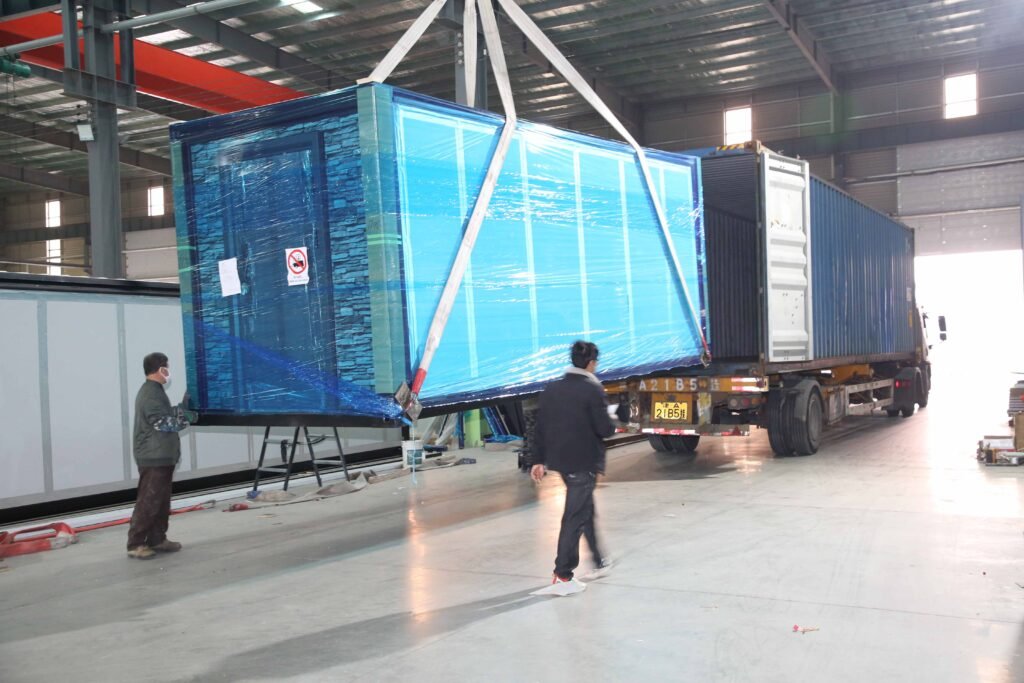
For a broader price breakdown, read our Container House Price Guide 2026.
3. Estimate Revenue Carefully
Revenue planning is important, but it should be handled carefully.
A container house business may generate revenue from rental income, project sales, B2B supply, accommodation service fees, campsite use, site office rental, or sanitary facility rental.
Before estimating revenue, buyers should check:
- target customer type
- local rental demand
- average occupancy or usage rate
- project duration
- maintenance cost
- land or site cost
- management cost
- seasonality
- local competition
- payment terms
- local regulations
Avoid calculating revenue only by multiplying unit quantity by an expected monthly rental price. Real performance depends on demand, location, marketing, management, maintenance, and operating cost.
A safer business plan should include conservative, normal, and optimistic scenarios instead of relying on one expected income number.
4. Choose the Right Location and Target Market
Location and target market are critical for a container house business.
A low product price cannot solve a weak demand problem. Before buying units, buyers should confirm who will use the houses, why they need them, how long they will use them, and whether they can pay for them.
Potential target markets may include:
- construction companies
- mining and industrial projects
- temporary worker accommodation
- farm and rural housing projects
- site offices
- disaster-relief or temporary housing projects
- tourism or campsite accommodation
- event or temporary sanitary facility projects
- container toilet rental projects
Buyers should also check local land conditions, access roads, utility availability, local rules, permits, and whether container buildings are accepted in the target area.
A good location is not only a place that looks attractive. It is a place with real demand, practical site access, manageable operating costs, and clear local approval conditions.
5. Select the Right Container House Type
Product selection directly affects the business model, total cost, user experience, shipping plan, and installation requirements.
Common product options include:
Expected service life should also be part of the business plan. With proper maintenance, expandable container houses can normally be used for about 30-40 years. Folding container houses are usually planned for about 10-15 years of use, while flat-pack and quick-assemble container houses are commonly used for about 15-25 years depending on structure, climate, installation quality and maintenance.
Expandable container houses may be suitable for buyers who need more usable interior space, better living comfort, and more complete layouts.
Folding container houses may be suitable for temporary use, fast deployment, efficient loading, and projects that need simple functional space.
Modular container houses may be suitable for larger project layouts, worker camps, dormitories, site offices, and multi-unit accommodation projects.
Container house toilets may be suitable for construction sites, camps, outdoor events, temporary facilities, and projects that need sanitary support.
The right product type depends on intended use, project duration, user comfort requirements, shipping plan, local installation capacity, and total budget.
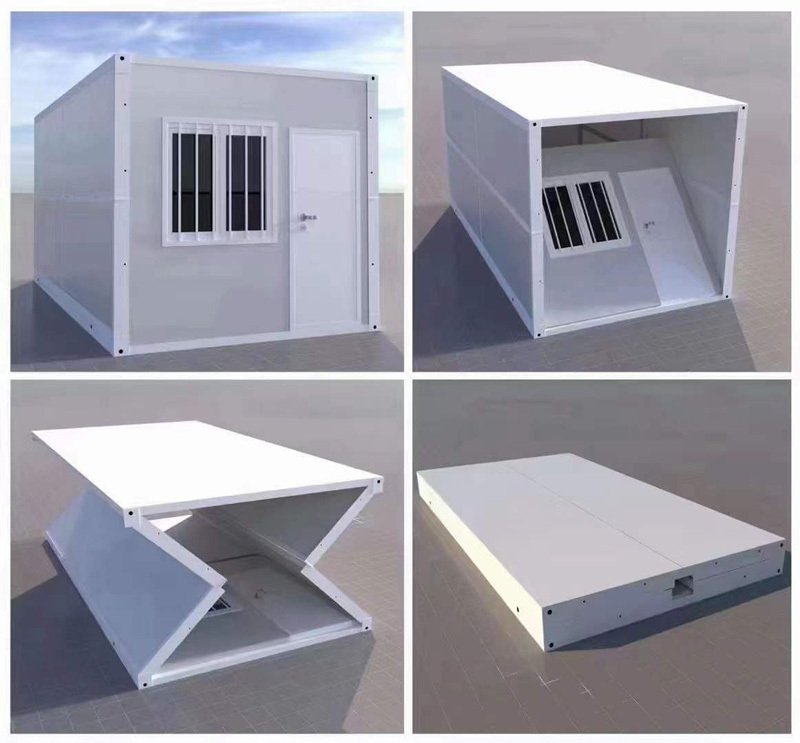
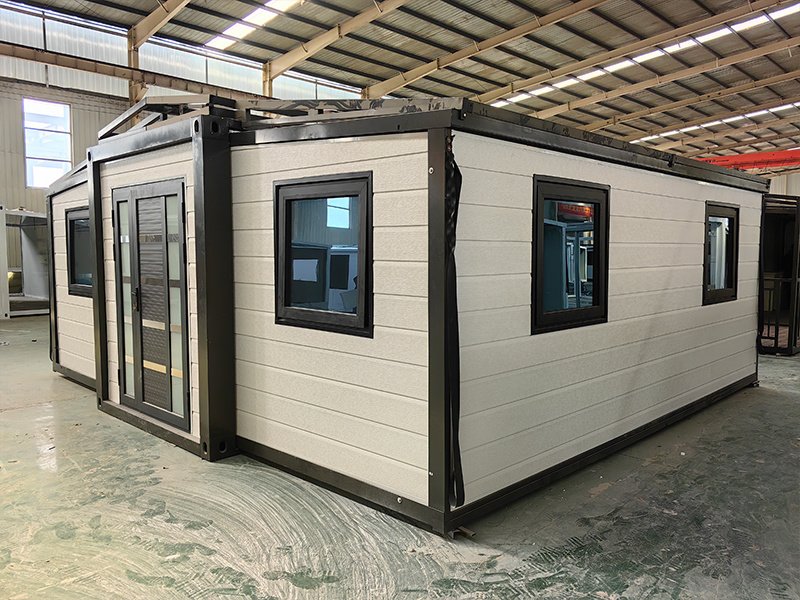
For product comparison, read Expandable vs Folding Container Houses: Which One Saves More Money?
6. Plan Logistics and Supplier Support
Logistics and supplier support can strongly affect the success of a container house business.
Before placing an order, buyers should confirm the packing method, loading plan, destination port, trade term, and who will handle shipping after the goods leave the factory or port.
Important questions include:
- Is the quotation EXW or FOB?
- What is the packed size?
- How many units can be loaded into one container?
- What destination port will be used?
- Does the buyer have a shipping agent?
- Who will handle customs clearance and local delivery?
- What installation support or documents can the supplier provide?
- Are loading photos, packing details, and product specifications clear?
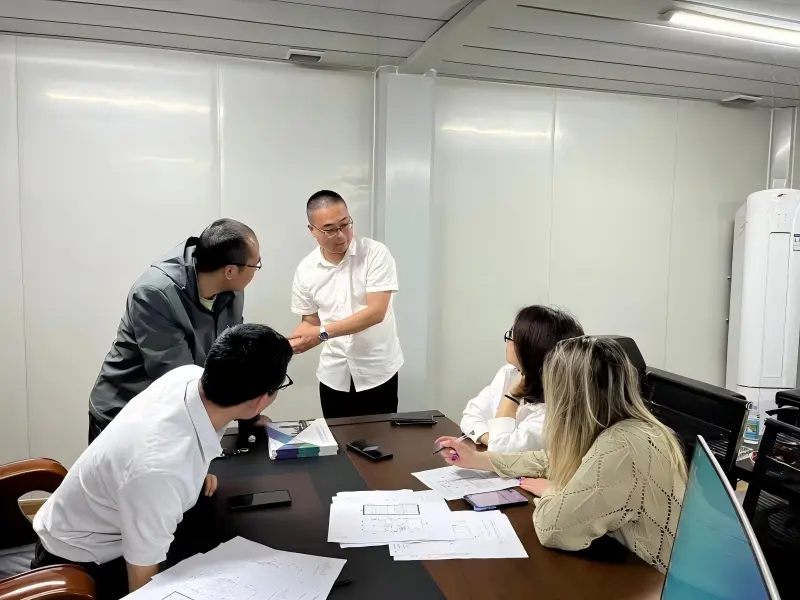
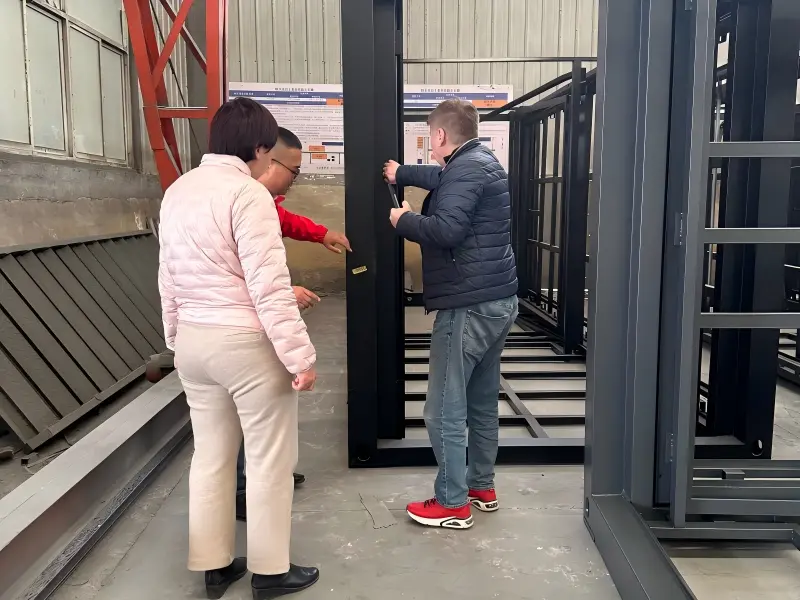
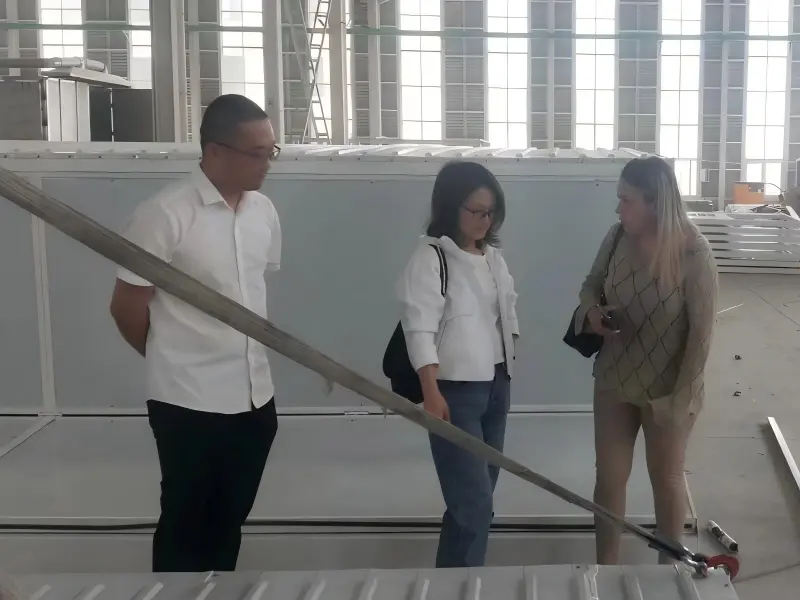
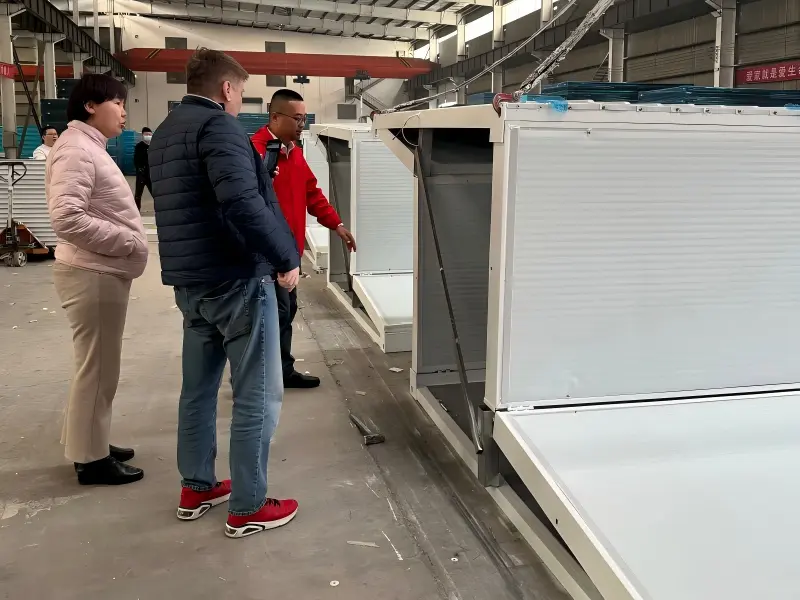
Sourcing directly from a reliable manufacturer may help buyers understand product specifications, production control, packing, and loading more clearly. However, buyers should still verify supplier capability, quotation details, and after-sales support before payment.
For shipping details, read our Container House Shipping Guide: Cost, Packing and Delivery.
For supplier evaluation, read How to Choose the Right Container House Supplier in China.
7. Start Small and Scale Carefully
Scaling should be based on verified demand, not only confidence in the product.
For new operators, it is usually safer to start with a manageable project size, test demand, understand local operating costs, and improve the business model before expanding.
A careful scaling plan may include:
- testing one target customer group first
- starting with a smaller quantity
- tracking occupancy, rental demand, or project inquiries
- checking maintenance and operating costs
- improving layout and configuration based on user feedback
- confirming repeat demand before ordering more units
- building relationships with contractors or project buyers
- expanding only when cash flow and operations are stable
A container house business becomes stronger when product selection, logistics, installation, customer demand, and operating management are all tested together.
8. Common Mistakes in Container House Business Planning
Common mistakes include:
- starting without a clear business model
- buying units before confirming demand
- choosing a poor location
- only comparing the lowest unit price
- underestimating shipping and local delivery costs
- forgetting installation and infrastructure costs
- choosing the wrong product type
- ignoring maintenance and management costs
- not checking local rules or permits
- not confirming EXW or FOB responsibilities
- working with unclear specifications or incomplete quotations
These mistakes may create idle units, delayed projects, unexpected costs, or weak cash flow.
To avoid common sourcing and planning problems, read Top 5 Mistakes When Buying Container Houses from China.
9. Business Plan Checklist Before You Start
Before starting a container house business, buyers should prepare a checklist instead of relying only on product price.
Key questions include:
- What business model will be used?
- Who is the target customer?
- Is there verified demand in the target location?
- What product type is suitable?
- What quantity is realistic for the first stage?
- What configuration is required?
- What trade term is preferred: EXW or FOB?
- Which destination port will be used?
- Who will arrange ocean freight and customs clearance?
- Is the site ready for unloading and installation?
- Are foundation, utilities, and local labor prepared?
- What local rules or permits need to be checked?
- How will maintenance and management be handled?
- What is the conservative revenue scenario?
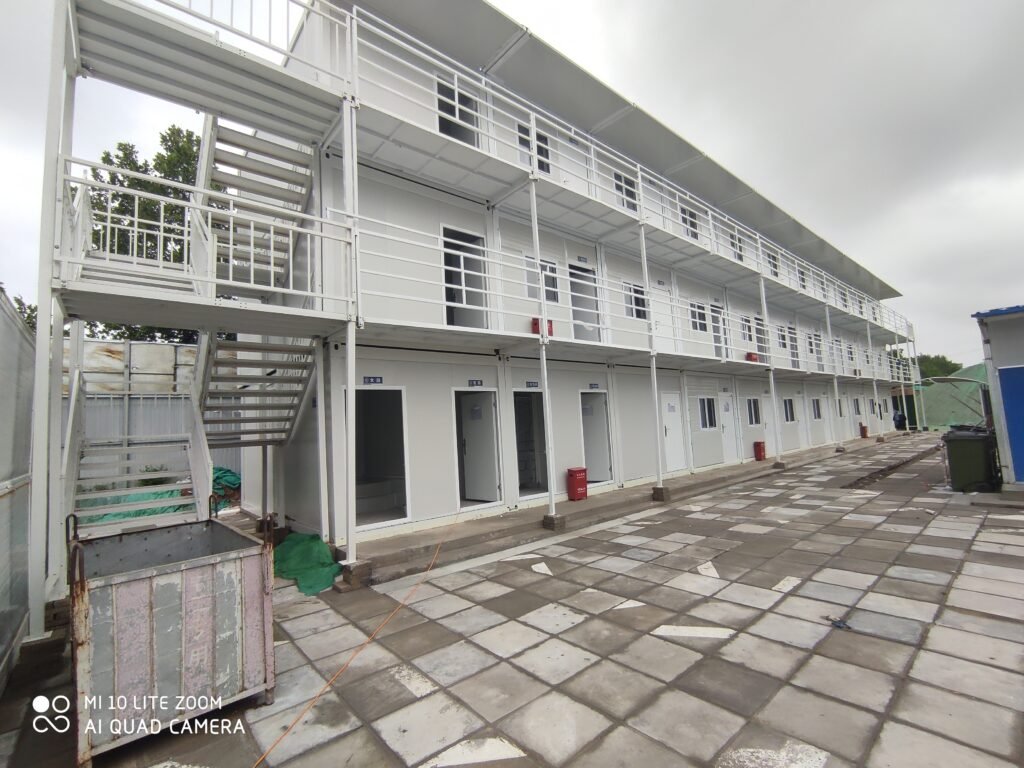
This checklist helps buyers build a more realistic business plan before placing an order.
Conclusion
A container house business can be practical, but it should be planned carefully.
The success of the project depends on market demand, location, product type, total cost, logistics, site readiness, local regulations, and operating management.
Buyers should avoid judging the business only by unit price or expected rental income. A strong plan should explain the business model, target customers, cost structure, supplier support, installation plan, and risk control.
There is no guaranteed profit or fixed payback period for every project. The best approach is to start with verified demand, choose the right product type, control total project cost, and scale carefully.
Get a Project-Specific Container House Business Recommendation
If you are planning a container house business, please send us:
business model you are considering
product type: expandable container house, folding container house, modular container house, or container house toilet
required size: 10ft, 20ft, 30ft, or 40ft if applicable
estimated quantity
target customer type
intended use
project location or destination port
layout or configuration requirements
preferred trade term: EXW or FOB
whether you already have a shipping agent
whether the site and local installation team are ready
Sinopala can help compare product options, loading plans, configuration choices, and possible project cost factors based on your business plan.
WhatsApp: +86 150 1103 0786
Email: Lee@sinopala.com
Website: www.sinopala.com